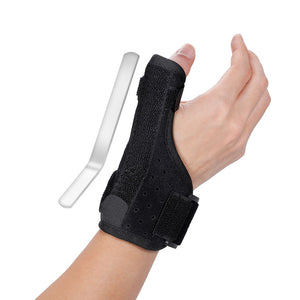
Ice Ankle Brace
- Black
- Grey
- Blue
- Pink
- Purple
- Black
- Orange
- Green
- Pink
- Black
- Red
- Blue
- Orange
What is the Ice System for Ankles?
When you experience an ankle injury—whether from an unexpected twist, a sports-related sprain, or general daily trauma—intense pain and rapid swelling almost immediately follow. Managing this inflammation is a critical first step in orthopedic recovery and joint rehabilitation. The most recommended and proven at-home treatment is targeted cold therapy. But what exactly is an ankle ice system, and why is it so effective at accelerating recovery?
The Science Behind Cold Therapy for Ankle Injuries
Applying ice to an injured joint is a time-tested technique that naturally combats inflammation and eases discomfort. The primary scientific principle behind using an ice system is to rapidly lower the temperature of the damaged tissue. This localized cooling causes vasoconstriction—a biological process in which blood vessels narrow —significantly reducing excess blood flow and fluid buildup around the affected area.
By decreasing circulation to the injury site, cold therapy helps minimize painful swelling and edema. Furthermore, the freezing temperature temporarily numbs the nerve endings in the foot and ankle, offering immediate, non-invasive relief from sharp, throbbing sensations. Lowering the tissue's metabolic activity also prevents further cellular breakdown, preserving healthy tissue and setting the ideal stage for a faster, more efficient recovery.
Elevating Recovery with Dual-Action Therapy
While traditional bags of crushed ice or frozen vegetables can offer temporary relief, they are often messy, hard to secure, and fail to provide the joint support you need. This is where a specialized ice ankle brace becomes an indispensable companion to your injury rehabilitation routine.
An integrated ice system typically features custom-designed compartments built specifically to hold reusable cold gel packs. You can store these flexible inserts in the freezer and apply them directly to the exact contours of the injured joint. This innovative design delivers a powerful dual-action therapy that drastically improves healing outcomes:
- Targeted Cold Application: The system delivers consistent, 360-degree cooling deep into the inflamed ligaments and tendons, effectively managing pain and reducing swelling without the mess of melting ice.
- Essential Joint Stabilization: The brace's structural support keeps the joint firmly immobilized. Preventing unnecessary movement is crucial during the early, most vulnerable stages of healing.
By combining gentle compression with soothing cold temperatures, the ice system enhances the body’s natural healing capabilities, reducing downtime and improving long-term mobility.
Step-by-Step Guide: How to Properly Use an Ankle Ice System
To maximize the benefits of cold compression therapy and avoid potential skin irritation, follow proper application techniques. Here is how to safely and effectively use your cooling support system:
Step 1: Prepare the Cooling Packs
Ensure that the designated ice pack or gel insert is fully frozen before placing it into the brace. Keep the packs in the freezer for at least two hours before application so they reach the optimal therapeutic temperature for reducing inflammation.
Step 2: Secure the Support Structure
Slide the frozen inserts into the specific designated compartments of the brace. Carefully position the wrap around your injured ankle. Secure the adjustable straps so the fit is snug and provides supportive compression. Pay close attention to the tightness; make sure it is not overly tight, as excessive pressure could cut off healthy circulation and cause additional throbbing.
Step 3: Time Your Therapy Sessions
Apply the cold treatment for exactly 15 to 20 minutes per session. Leaving ice on the skin longer does not increase the healing benefits and can potentially cause tissue damage or frostbite.
Step 4: Rest and Repeat
Remove the system and allow your skin to return to normal body temperature, with breaks of about 45 minutes to an hour between sessions. You can safely repeat this focused cooling method several times a day, which is particularly beneficial and highly recommended within the first 48 to 72 hours after sustaining an acute injury.