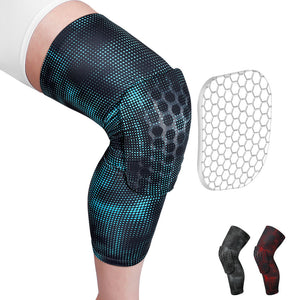
Ice Knee Sleeve
- Black
- Green
- Orange
- Pink
- Black
- Blue
- Green
- Red
- Orange
- Blue
- Dark Blue
- Black
- White
- Red
- Blue
- Black
- Blue
- Red
- Orange
- Yellow
- Black
- Blue
- Green
- Red
- Blue
- Black
- White
- Red
- Dark Blue
- Grey
- Black
- Blue
- Pink
- Grey
- Black
- White
- Light Black
- Black
- Light Grey
- Grey
- Magenta
- Black
- Green
- Black
- Grey
- Red
- Blue
Is it Good to Put Ice on Your Knees?
Whether you are an avid runner, a weekend sports enthusiast, or someone who simply tweaked a joint while walking up the stairs, dealing with knee pain can be incredibly frustrating. One of the most common and universally recommended first-line strategies for managing this discomfort is cold therapy. But is it good to put ice on your knees? The short answer is an absolute yes. Used correctly, cold applications can significantly ease joint discomfort, reduce swelling, and speed up your overall recovery.
The Science Behind Cold Therapy for Knee Pain
When you experience a sudden knee injury, muscle strain, or general overuse from high-impact activities, your body naturally responds with inflammation. While this is a normal physiological healing response, excessive swelling can cause throbbing pain and severely limit your range of motion.
Applying ice to the affected area immediately constricts local blood vessels. This process, scientifically known as vasoconstriction, actively reduces blood flow to the injured soft tissues, which helps to visibly decrease swelling. Furthermore, the extreme cold serves as a natural, highly effective numbing agent. It slows down nerve impulses traveling from the knee joint to the brain, providing rapid pain relief without the immediate need for medications.
How to Effectively Ice Your Knee
Knowing that cold therapy works is only half the battle; knowing exactly how to apply it is what truly optimizes your joint recovery. Timing and method are critical to managing joint inflammation and knee stiffness.
The 48-Hour Healing Window
For acute injuries, sudden flare-ups, or post-workout soreness, cold therapy is most effective when applied within the first 48 hours. During this critical acute phase, your primary goal is to halt and control the initial inflammatory response.
Optimal Timing and Frequency
For best results, apply cold therapy for 15 to 20 minutes every hour during the early stages of an injury. Leaving ice on the skin longer than 20 minutes can be counterproductive; your body may eventually increase blood flow to warm the area, which defeats the purpose of reducing swelling.
Maximizing Recovery with Cold and Compression
While a traditional bag of frozen vegetables or a standard hard ice pack can work in a pinch, they are often messy, require you to remain completely stationary, and fail to provide even, 360-degree coverage around the complex anatomy of the kneecap.
That's why an ice knee sleeve is an excellent tool in rehabilitation. These specialized, wearable garments fit snugly around the joint, delivering targeted cold therapy where it is needed most. They typically feature built-in pockets designed to securely hold flexible gel packs, allowing for a comfortable, hands-free recovery experience.
Moreover, these garments provide a secondary, highly beneficial physical mechanism: compression. The combination of gentle joint compression and freezing temperatures creates a synergistic effect that actively drives excess fluid out of the joint, significantly shortening the recovery timeline. After the cold treatment session, the area naturally reheats, promoting improved, nutrient-rich blood circulation to help repair damaged tissue. Additionally, the snug, tailored fit of the sleeve offers a stabilizing layer of structural support, protecting the knee during gentle movements and daily activities.
Safety First: Preventing Skin Damage and Frostbite
While icing is highly effective for knee sprains and tendon strains, manage direct exposure to freezing temperatures carefully to avoid skin damage, frostnip, or severe frostbite.
Never apply raw ice or rock-hard frozen packs directly to bare skin. Always use a protective barrier, such as a thin towel or cloth, between the cold source and your leg. A purpose-built wearable ice garment solves this issue, as the premium fabric acts as a safe, comfortable thermal barrier while still delivering the therapeutic benefits of the chill.
Ice vs. Heat: When to Make the Switch?
A common question among active individuals is when to stop icing and when to start applying heat. As a general clinical guideline, ice remains crucial for managing active inflammation, sharp pain, and swelling during the first few days following an injury.
After the initial acute phase has passed—typically after 48 to 72 hours—and the visible swelling has fully subsided, you can safely introduce heat therapy. Warm compresses or heating pads are excellent for relaxing tense muscles, soothing stiff ligaments, and improving overall joint flexibility before stretching or engaging in physical rehabilitation exercises.