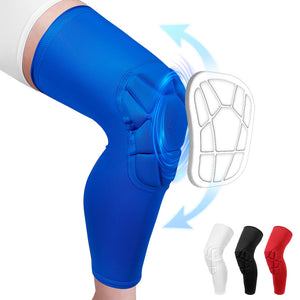
Jumpers Knee Brace
- Black
- Green
- Orange
- Pink
- Black
- Blue
- Green
- Red
- Orange
- Blue
- Dark Blue
- Black
- White
- Red
- Blue
- Black
- Blue
- Red
- Orange
- Yellow
- Black
- Blue
- Green
- Red
- Blue
- Black
- White
- Red
- Dark Blue
- Grey
- Black
- Blue
- Pink
- Grey
- Black
- White
- Light Black
- Black
- Light Grey
- Grey
- Magenta
- Black
- Green
- Black
- Grey
- Red
- Blue
Will a Knee Brace Help Jumpers' Knees?
If you frequently participate in high-impact activities like basketball, volleyball, long-distance running, or gymnastics, you are likely familiar with the immense physical strain placed on your lower body. Repetitive jumping and hard landings can easily lead to patellar tendonitis, commonly known as jumper’s knee. This condition involves micro-tears and inflammation in the tendon that connects your kneecap (patella) to your shinbone. When dealing with this nagging, localized pain, athletes often wonder about the best ways to speed up recovery and prevent further damage. The short answer is yes: finding the right jumper's knee brace is an incredibly effective strategy to manage pain, promote healing, and restore athletic performance.
These specialized athletic supports are meticulously engineered to provide targeted relief to the knee joint and the patellar tendon. Because every athlete's body and activity level are different, these supports come in a variety of designs, including full-compression sleeves, targeted patellar straps, and heavy-duty stabilizing braces. Despite their varied shapes and functions, they all share a unified goal: reducing joint stress, controlling inflammation, and enhancing overall knee stability so you can stay active without compromising your long-term joint health.
Exploring the Best Knee Support Options for Jumper's Knee
To effectively combat knee pain from jumping and running, it is essential to understand how different types of braces target specific symptoms. Choosing the right design depends heavily on the severity of your discomfort and the demands of your chosen sport.
Knee Sleeves for Compression and Active Recovery
Knee compression sleeves are highly popular among weightlifters, runners, and court athletes. These slip-on garments offer uniform compression around the entire knee joint. The primary benefit of this compression is the stimulation of blood circulation to the affected area. Enhanced blood flow acts as a natural catalyst for the body's healing process, efficiently delivering vital oxygen and nutrients to damaged tendon tissues while simultaneously flushing out cellular waste products.
Furthermore, a high-quality knee sleeve helps to manage post-workout swelling and joint inflammation. For athletes dealing with chronic patellar tendon pain, sleeves offer consistent, gentle support that helps keep the joint warm and pliable. This soothing warmth reduces stiffness, promoting exceptional comfort during extended periods of intense physical activity or rigorous training sessions.
Patellar Straps for Targeted Tendon Relief
If you are looking for a minimalist approach that will not restrict your range of motion, patellar tendon straps are an outstanding choice. Unlike full sleeves, these straps utilize a highly targeted approach. Worn directly below the kneecap, the strap applies localized, gentle pressure to the patellar tendon.
This specific pressure mechanism is brilliant in its simplicity: it slightly elevates the patella and redistributes the force generated during dynamic movements. By absorbing the shock that would normally travel directly through the injured tendon, patellar straps significantly alleviate strain. They are especially beneficial during explosive activities that require frequent jumping, sudden pivoting, or deep squatting. The result is a noticeable reduction in sharp discomfort and a significantly lower risk of aggravating an existing flare-up.
Stabilizing Braces for Maximum Joint Security
For athletes recovering from more severe knee sprains, ligament damage, or post-surgical rehabilitation, a stabilizing brace offers the highest tier of structural support. These robust braces typically incorporate reinforced sidebars, dual hinges, or adjustable strapping systems designed to limit excessive, unsafe motion.
By restricting harmful lateral (side-to-side) or rotational twisting, stabilizing braces ensure that the knee maintains proper biomechanical alignment. This prevents hyper-extension and awkward landings that could lead to catastrophic re-injury. If you are transitioning back into competitive sports after a prolonged period of rest, a stabilizing brace provides the necessary mechanical protection to handle high-impact forces safely.
The Hidden Biomechanical Benefit: Enhanced Proprioception
One of the most valuable, yet frequently overlooked, advantages of wearing knee supports for jumper's knee is the enhancement of proprioception. Proprioception is your body’s subconscious awareness of its position in space—essentially, how your brain communicates with your limbs to sense movement, balance, and spatial orientation.
When you experience joint fatigue or tendon inflammation, your natural proprioceptive abilities can diminish, leading to sloppy footwork and dangerous landing mechanics. By wrapping the joint in a supportive, compressive material, a brace stimulates sensory receptors in the skin and underlying muscles. This tactile feedback heightens your joint awareness, allowing you to intuitively adjust your posture, control your deceleration, and refine your jumping technique before unnecessary force can damage the knee. Improved proprioception is a critical factor in active injury prevention.
Overcoming Mental Hurdles: Building Confidence Post-Injury
The journey of returning to sports after an injury involves more than just physical rehabilitation; it requires overcoming significant psychological barriers. Lingering fear of re-injury can cause athletes to hesitate, favor one leg, or alter their natural mechanics—habits that often lead to compensatory injuries in the hips or ankles.
Wearing a dedicated jumper's knee support provides a comforting layer of psychological security. The physical sensation of the brace hugging the joint acts as a constant, reassuring reminder to be mindful of movement limits. This tangible sense of safety helps alleviate performance anxiety, allowing individuals to re-engage in aggressive, high-impact movements with confidence. By trusting their gear and their bodies, athletes can push past mental blocks and return to their peak performance levels without the constant fear of triggering another painful setback.