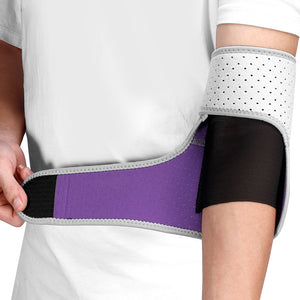
Knee Belt
- Black
- Green
- Orange
- Pink
- Black
- Blue
- Green
- Red
- Orange
- Blue
- Dark Blue
- Black
- White
- Red
- Blue
- Black
- Blue
- Red
- Orange
- Yellow
- Black
- Blue
- Green
- Red
- Blue
- Black
- White
- Red
- Dark Blue
- Grey
- Black
- Blue
- Pink
- Grey
- Black
- White
- Light Black
- Black
- Light Grey
- Grey
- Magenta
- Black
- Green
- Black
- Grey
- Red
- Blue
What is the Use of a Knee Belt?
Whether you are an active athlete or someone dealing with daily joint discomfort, you might have wondered about the exact purpose of joint support accessories. A knee belt, also known as a knee support, compression sleeve, or patellar strap, is a specialized wellness and fitness accessory designed to provide targeted support and stabilization to the complex knee joint. Understanding the primary use of a knee belt can help individuals make well-informed decisions about their joint health, daily mobility, and overall physical activity.
By comprehensively addressing everything from athletic protection to chronic pain management, these supportive bands have become an essential tool for healthy living and active movement.
Enhancing Athletic Performance and Injury Prevention
One of the most popular reasons fitness enthusiasts and everyday individuals seek out a knee belt is to gain crucial stability during demanding physical activities. Whether your daily routine involves long-distance running, heavy weightlifting, high-intensity interval training, or dynamic sports like basketball, soccer, and tennis, your knees experience significant compressive stress and shear strain.
A properly fitted knee support accessory can significantly reduce the likelihood of common sports injuries, including painful sprains, muscle strains, and severe ligament tears, by providing vital additional stability to the joint capsule. This stabilizing effect is particularly beneficial for active individuals who have previously sustained joint injuries. By wearing a knee belt, they can effectively prevent frustrating reinjuries while securing the robust support needed to engage in intense physical workouts safely and with total confidence.
Accelerating Rehabilitation and Post-Injury Recovery
Beyond proactive injury prevention, a knee belt serves as an invaluable tool throughout the rehabilitation process. After undergoing orthopedic surgery or suffering an acute injury like a meniscus tear or patellar tendonitis, individuals frequently experience persistent swelling, inflammation, and a general sense of instability in the leg.
Utilizing a knee compression band during this critical recovery window can help alleviate post-injury discomfort and actively promote the body's natural healing process. It achieves this by providing consistent, gentle compression and retaining therapeutic warmth around the affected area, which naturally boosts local blood circulation. The highly adjustable nature of many modern knee belts allows for a customized, snug fit, ensuring that users receive the exact level of support they need as they progress safely through the various stages of their physical rehabilitation journey.
Managing Chronic Knee Pain and Osteoarthritis
For those suffering from long-term, chronic joint conditions, such as osteoarthritis or general joint wear and tear, a knee belt often provides reliable daily relief from persistent pain and stiffness.
By firmly stabilizing the joint alignment, a knee belt can help distribute body weight more evenly across the knee. This mechanical offloading significantly reduces the intense pressure placed on highly sensitive, painful areas where joint cartilage may be thinning or compromised. Consequently, this targeted support encourages much greater daily mobility, allowing individuals to comfortably maintain an active, fulfilling lifestyle despite their ongoing joint conditions.
Improving Proprioception and Joint Awareness
An often-overlooked use of a knee belt is its ability to improve proprioception—the body’s innate sense of movement, action, and location in space. The gentle, continuous pressure of the fabric against the skin sends constant sensory feedback to the brain. This heightened awareness ensures that the muscles surrounding the knee react much faster to unstable surfaces or sudden changes in direction, further protecting the knee joint from unexpected twists, unnatural bending, or sudden hyperextension during daily tasks.