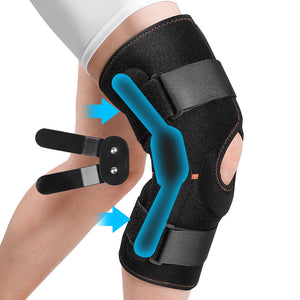
Knee Brace for Fat Legs
- Black
- Green
- Orange
- Pink
- Black
- Blue
- Green
- Red
- Orange
- Blue
- Dark Blue
- Black
- White
- Red
- Blue
- Black
- Blue
- Red
- Orange
- Yellow
- Black
- Blue
- Green
- Red
- Blue
- Black
- White
- Red
- Dark Blue
- Grey
- Black
- Blue
- Pink
- Grey
- Black
- White
- Light Black
- Black
- Light Grey
- Grey
- Magenta
- Black
- Green
- Black
- Grey
- Red
- Blue
Should I Wear a Knee Brace If My Leg Is Swollen?
Experiencing swelling in a leg or knee joint can be uncomfortable, limiting, and alarming. If you are dealing with stiffness, fluid retention, or localized pain, you might be asking yourself: Should I wear a knee brace if my leg is swollen?
The short answer is that wearing a knee brace can be an excellent idea in many scenarios, but it ultimately depends on the root cause of your swelling. Understanding when to use compression and support—and when to avoid it entirely—is crucial for your overall joint health and recovery.
Understanding the Causes of Leg and Knee Swelling
Swelling, clinically known as edema or joint effusion (often referred to as "water on the knee"), occurs when excess fluid builds up in or around the joint tissues. This can happen for a variety of reasons, ranging from sudden acute injuries to chronic overuse. Identifying why your leg is swollen is the first step in determining the right method of support.
When Is Wearing a Knee Brace a Good Idea?
If your swelling is the result of a minor, everyday injury, utilizing a supportive brace is generally highly beneficial.
Treating Minor Injuries and Sprains
For common mishaps like a mild ligament sprain, a minor meniscus irritation, or a simple muscle strain, a brace provides immediate external joint stability. By limiting excessive side-to-side or rotational movement, the support prevents you from accidentally aggravating the vulnerable tissues, allowing the healing process to begin.
Managing Tendonitis and Bursitis
Overuse conditions such as tendonitis (inflammation of the tendons) or bursitis (irritation of the fluid-filled sacs that cushion the joint) also respond very well to bracing. The gentle support keeps the kneecap aligned and reduces the daily strain placed on inflamed tissues during walking or standing.
Finding the Right Fit for Maximum Comfort
A major challenge people face when dealing with swelling is that standard-sized supports can feel too tight, cutting off circulation or rolling down the leg. For those who naturally carry more weight or experience significant fluid buildup, a specialized plus-size design is essential.
Utilizing a knee brace for larger thighs is highly effective because it features a broader, much more adjustable design. These specialized supports typically come equipped with extra-long straps and a significantly larger circumference to comfortably accommodate a bulkier or severely swollen leg.
By having a wider contact area, the brace distributes pressure evenly across the limb. This prevents the fabric from digging into the skin, avoiding the painful pinching, chafing, and discomfort that often comes from wearing an improper fit.
How Compression Helps Reduce Swelling
A well-fitted compression sleeve or brace does more than just hold the joint in place. The fabric applies gentle, graduated pressure to the swollen area. This localized compression acts as a pump, encouraging the excess trapped fluid to be naturally reabsorbed back into the body's lymphatic and circulatory systems. Over a few days of consistent wear, this gentle squeeze can visibly reduce puffiness and significantly improve your range of motion.
When Should You Avoid Wearing a Knee Brace?
While bracing is fantastic for orthopedic injuries, it is not a cure-all and can sometimes be dangerous. If your leg swelling is caused by a severe vascular condition, such as Deep Vein Thrombosis (DVT), wearing a brace is strictly not recommended.
DVT is a serious condition where a blood clot forms in a deep vein, usually in the lower leg or thigh. Symptoms often include sudden swelling in only one leg, a sensation of deep throbbing pain, localized warmth, and skin that appears red or discolored. Applying localized pressure with a brace in this scenario could potentially restrict critical blood flow or, worse, dislodge the clot.
If you suspect your swelling is not injury-related, or if it is accompanied by these severe symptoms, skip the brace and prioritize an immediate professional evaluation.
Additional Ways to Manage Swelling Effectively
If your swelling is due to a minor sprain or strain, a brace works best when combined with the classic R.I.C.E. method:
- Rest: Stay off the affected leg as much as possible to prevent further tissue irritation.
- Ice: Apply a cold compress, wrapped in a towel, to the swollen area for 15 to 20 minutes, several times a day, to numb pain and constrict blood vessels.
- Compression: Wear your appropriately sized brace to provide gentle pressure and stability.
- Elevation: Prop your leg up on pillows above heart level while resting to let gravity pull excess fluid away from the joint.
Whenever you are unsure whether wrapping or bracing is the right choice for your specific symptoms, taking the time to learn more about joint health and seeking personalized advice will always help you make the safest decision.