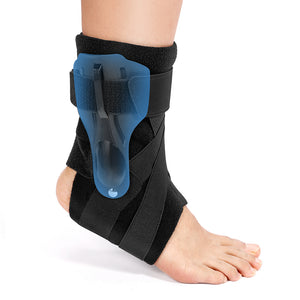
Knee Brace for Weightlifting
- Black
- Green
- Orange
- Pink
- Black
- Blue
- Green
- Red
- Orange
- Blue
- Dark Blue
- Black
- White
- Red
- Blue
- Black
- Blue
- Red
- Orange
- Yellow
- Black
- Blue
- Green
- Red
- Blue
- Black
- White
- Red
- Dark Blue
- Grey
- Black
- Blue
- Pink
- Grey
- Black
- White
- Light Black
- Black
- Light Grey
- Grey
- Magenta
- Black
- Green
- Black
- Grey
- Red
- Blue
Can You Lift Weights with a Knee Brace?
If you are passionate about strength training, you might eventually experience some joint discomfort or worry about protecting your lower body during intense sessions. A common question among fitness enthusiasts is whether it is safe and effective to exercise with supportive gear. The short answer is an absolute yes. In fact, incorporating supportive accessories into your fitness routine is highly beneficial, particularly during heavy lower-body movements such as squats, lunges, and leg presses.
Why You Should Consider Wearing Support During Leg Day
Whether you are a casual gym-goer or a dedicated powerlifter, wrapping your joints can dramatically improve your workout experience. Here is how wearing a brace elevates your training:
1. Provides Crucial Structural Stability
When you are moving heavy iron, your lower body undergoes immense stress. This is especially true at the bottom of a deep squat, where mechanical tension is at its peak. A supportive garment helps maintain proper anatomical alignment, actively preventing dangerous and abnormal movements. For instance, it mitigates excessive valgus (where the joint buckles inward) and varus (where it bows outward) stresses. By locking your form into the correct plane of motion, you significantly reduce the risk of ligament sprains, muscle strains, and other common gym injuries.
2. Offers Therapeutic Compression and Warmth
Physical compression does more than just hold things in place; it actively stimulates localized blood circulation. Increased blood flow means that a greater volume of oxygen and vital nutrients is constantly delivered to the surrounding tissues. This physiological boost is critical for maintaining muscle function and accelerating tissue repair between your sets. Furthermore, retaining body heat keeps the synovial fluid warm, which lubricates the area, reduces stiffness, and helps delay muscle fatigue. With less fatigue and better blood flow, weightlifters can comfortably push for extra repetitions or handle heavier loads.
3. Alleviates Pain and Joint Discomfort
Dealing with nagging aches can ruin a great workout and halt your muscle-building progress. The firm hold and targeted compression provided by specialized gear can significantly reduce the mechanical load on sensitive or previously damaged tissues. For athletes dealing with conditions like patellofemoral pain syndrome, utilizing a dedicated knee brace for weightlifting can help properly realign the patella (kneecap). This gentle realignment minimizes bone-on-bone friction and reduces irritation, providing immediate and noticeable pain relief. Conquering this discomfort allows fitness lovers to maintain their regular training schedules without being sidelined by chronic aches.
4. Boosts Psychological Confidence
Strength training is just as much a mental game as it is a physical one. Knowing that your most vulnerable areas are wrapped and protected provides a massive psychological advantage. When athletes feel physically secure, their confidence skyrockets. This enhanced mindset allows you to focus entirely on your lifting form, breathing, and technique rather than worrying about a potential injury. When you step under the barbell to attempt a new personal record, that added layer of security provides the mental assurance needed to push your limits safely, knowing your body is less likely to give out mid-lift.
Important Reminders for Safe Strength Training
While adding protective gear to your gym bag offers incredible advantages, weightlifting lovers must remember that it is never a magical fix or a substitute for proper biomechanics. To ensure a lifetime of safe and effective training, always prioritize a comprehensive warm-up routine and a dedicated cool-down session to prime your body for exercise.
Focus heavily on mobility exercises, stretch adequately, and never sacrifice correct lifting form just to move heavier weights. When used correctly alongside smart, progressive training principles, supportive fitness tools will help you build stronger legs, avoid setbacks, and achieve your long-term fitness goals safely.