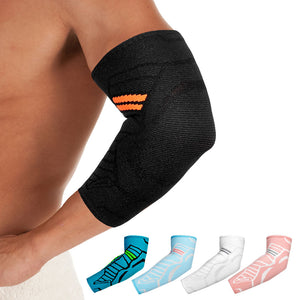
Lace Up Ankle Support
- Black
- Grey
- Blue
- Pink
- Purple
- Black
- Red
- Blue
- Orange
- Black
- Orange
- Green
- Pink
Do Lace Up Boots Support Ankles?
When choosing the right footwear for demanding physical activities—whether you are hiking rugged trails, navigating uneven terrain on a job site, or playing high-intensity sports—joint protection is a top priority. Many active individuals frequently ask a common question: Do lace-up boots actually prevent sprains and provide adequate joint stability? The short answer is yes. By their very design, these shoes play a critical role in minimizing injury risks and keeping you moving comfortably.
The Mechanics of Footwear and Joint Stability
Lace-up designs offer a distinct advantage over slip-on or zip-up alternatives due to their unparalleled adjustability. The lacing system enables the wearer to finely tune the tightness and placement of the material around the lower leg and foot. When properly fastened, the shoe effectively hugs the joint, creating a structural barrier against excessive lateral (side-to-side) movement that typically causes painful sprains and strains. This firm, customizable hold is especially vital for individuals navigating rocky terrain or participating in stop-and-go sports that require sudden pivots.
Bridging the Gap: Boots and Targeted Stabilization
While a sturdy pair of boots provides excellent baseline protection, some situations demand targeted reinforcement. For instance, if you are recovering from a previous injury, dealing with chronic joint instability, or simply need peace of mind during grueling activities, relying solely on your footwear might not be enough. In these scenarios, integrating an ankle brace with laces underneath your boots can deliver a much-needed extra layer of security.
For high-impact activities that heavily stress joint alignment, a lace ankle brace seamlessly bridges the gap between everyday footwear and advanced athletic stabilization. Because it mimics the shoe's adjustable nature, it easily contours to your foot without creating painful pressure points. Furthermore, individuals requiring maximum immobilization—such as those returning to aggressive physical activities post-rehab—often upgrade to a lace-up ankle brace with metal support. This specific combination of rigid side stays and customizable tightness ensures the joint remains firmly locked in a safe, neutral position, drastically reducing the chances of a rollover.
Key Advantages of a Lace-Up Design
Understanding why this specific style of footwear is universally recommended for active lifestyles requires looking at a few core benefits:
Restricting Unwanted Lateral Movement
The primary function of any supportive footwear is to keep the foot properly aligned with the lower leg. Tightening the strings pulls the sides of the boot inward, creating a customized, cast-like effect. This controlled movement limits unnatural twisting, which is crucial for athletes or outdoor enthusiasts who frequently change direction at rapid speeds.
Accommodating Diverse Foot Shapes
No two feet are exactly alike. One of the greatest benefits of a lace-up structure is its inherent adaptability. Whether you have exceptionally wide feet, narrow heels, high arches, or flat feet, you can manipulate the tension across different zones of the shoe. This tailored fit ensures everyone can achieve optimal stabilization without compromising overall comfort or restricting circulation.
Superior Weight Distribution and Reduced Fatigue
Good structural support is not solely about injury prevention; it is also about maximizing your daily endurance. A securely fitted boot prevents the foot from sliding forward or shifting side-to-side within the shoe. This locked-in feel helps distribute your body weight evenly across the sole, which naturally decreases the daily strain placed on your arches, heels, and calves. Over the course of a long day, this translates to significantly less fatigue and foot discomfort.
How to Lace Your Boots for Maximum Effectiveness
To truly reap the benefits of your supportive footwear, proper technique is essential. Simply tying a loose knot at the top will not suffice. For optimal joint stabilization, consider these techniques:
- The Heel Lock: Use the specialized locking loops (often found near the bend of the ankle on hiking boots) to pull the heel firmly into the back cup of the shoe. This prevents heel slippage and friction blisters.
- Zone Tightening: Keep the toe box slightly loose to allow for natural swelling during physical activity, but pull the laces taut across the midfoot and upper leg to securely fasten the joint.
- Regular Adjustments: Re-tie your shoes periodically during long hikes or strenuous shifts. Shoe materials naturally stretch and loosen as you move, so a quick readjustment ensures your joint protection remains consistent all day.