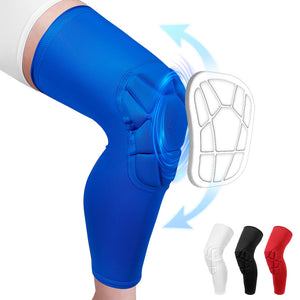
Orthopedic Ankle Support
- Black
- Grey
- Blue
- Pink
- Purple
- Black
- Red
- Blue
- Orange
- Black
- Orange
- Green
- Pink
What Does Arthritis in the Ankle Feel Like?
If you have started noticing a persistent, uncomfortable sensation in your lower extremities, you might find yourself wondering exactly what arthritis in the ankle feels like. For many adults, ankle joint pain is a progressive condition that develops slowly over time. Whether it is caused by years of high-impact sports, a previous injury that never quite healed properly, or the natural wear and tear of aging cartilage, ankle arthritis can significantly alter your daily routine. Understanding the early warning signs and recognizing the symptoms is the first step toward reclaiming your mobility.
Recognizing the Most Common Ankle Arthritis Symptoms
People with ankle arthritis typically experience a broad spectrum of symptoms that can fluctuate depending on the weather, their level of physical activity, and the time of day. Because the ankle supports your entire body weight, any degradation of the joint cartilage becomes noticeable very quickly.
The Nature of the Pain: From Dull Aches to Sharp Sensations
One of the most universally reported symptoms is joint pain. However, this discomfort is rarely one-size-fits-all. In the early stages, you might just feel a deep, dull ache within the joint after a long day on your feet. As the condition advances, this ache can easily transition into sharp, debilitating sensations. This severe pain typically spikes during weight-bearing physical activities. Actions that place excessive stress on the ankle joint—such as walking on uneven terrain, going for a light run, or simply climbing up and down the stairs—can trigger intense discomfort.
Morning Stiffness and Reduced Mobility
Alongside pain, stiffness is another prevalent and frustrating symptom. Many individuals with osteoarthritis or inflammatory arthritis in their lower joints report that their ankles feel incredibly rigid and inflexible, particularly after prolonged inactivity. This is often referred to as "start-up pain." You may notice this intense stiffness immediately upon waking or when standing up after sitting at a desk for several hours. It usually takes a few minutes of moving around for the joint to "warm up" and loosen.
Visible Signs: Swelling, Warmth, and Tenderness
While pain and stiffness are sensations you feel internally, arthritis also presents with visible, physical changes to the ankle area. Swelling around the ankle joint is common and a clear indicator of underlying joint inflammation.
When the cartilage that cushions the bones wears away, the resulting friction creates fluid buildup and inflammation. This swelling can cause the ankle to feel noticeably warm to the touch. You may also experience severe tenderness when pressing lightly on the affected area.
As joint inflammation progresses, individuals often experience a significantly reduced range of motion. The joint simply cannot glide as smoothly as it once did. You might find it increasingly difficult to perform basic foot mechanics, such as pointing your toes downward, flexing your foot upward, or tilting the foot from side to side. These biomechanical changes can significantly impact your daily activities, alter your natural gait, and ultimately reduce your overall quality of life.
Effective Strategies for Managing Ankle Joint Pain
Living with ankle arthritis does not mean you have to give up the activities you love. While cartilage loss cannot be completely reversed, the symptoms are highly manageable. Implementing a routine that includes low-impact exercises, physical therapy, and proper joint stabilization can make a world of difference.
Finding Relief Through Joint Stabilization
To effectively manage the daily symptoms of ankle arthritis, many people find substantial, long-lasting relief with orthopedic ankle support. This targeted joint support is designed to provide essential stabilization to the weakened area, which can dramatically help alleviate pain during movement.
By wearing a supportive garment, the daily strain and stress on the affected cartilage can be significantly reduced. This structural reinforcement allows individuals to maintain an active, healthy lifestyle while simultaneously protecting their vulnerable joints from further micro-traumas and deterioration.
Choosing the Right Support for Your Lifestyle
Orthopedic ankle supports are available in a variety of styles tailored to different levels of joint degradation. Choosing the right design is crucial for your comfort and recovery:
- Compression Sleeves: These are incredibly beneficial for individuals dealing with mild to moderate aches and persistent swelling. The snug fabric provides therapeutic compression, which helps to naturally improve blood circulation around the joint, flush out inflammatory fluids, and reduce visible swelling.
- Rigid Braces: For those experiencing significant joint instability, bone-on-bone friction, or severe pain, rigid braces offer maximum protection. These devices restrict harmful side-to-side movements while still allowing you to step forward, providing the heavy-duty stability essential for navigating daily life safely.
Depending on the severity of your arthritic condition and your specific daily needs, selecting the most appropriate type of orthopedic support will empower you to step forward with confidence, effectively minimizing the day-to-day impact of ankle arthritis.