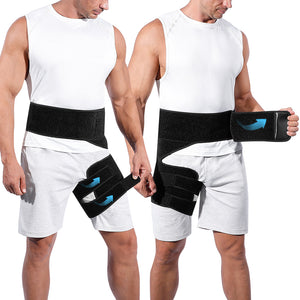
Patellofemoral Brace
- Black
- Green
- Orange
- Pink
- Black
- Blue
- Green
- Red
- Orange
- Blue
- Dark Blue
- Black
- White
- Red
- Blue
- Black
- Blue
- Green
- Red
- Black
- Blue
- Red
- Orange
- Yellow
- Blue
- Black
- White
- Red
- Dark Blue
- Grey
- Black
- Blue
- Pink
- Grey
- Black
- White
- Light Black
- Black
- Light Grey
- Grey
- Magenta
- Black
- Green
- Black
- Grey
- Red
- Blue
How Do You Fix Patellofemoral Syndrome?
Patellofemoral syndrome, widely known as runner's knee, is one of the most common causes of anterior knee pain. It frequently affects athletes, weekend warriors, and individuals who engage in routine physical activity. This condition is characterized by a dull, aching pain localized around or behind the kneecap (patella).
If you find yourself wincing during activities that place repetitive stress on your joints—such as running, squatting, kneeling, or climbing stairs—you may be dealing with this frustrating ailment. Understanding the root causes and knowing exactly how to manage and fix this condition is crucial for getting back on your feet and maintaining an active, pain-free lifestyle.
Understanding Patellofemoral Syndrome
To properly address the pain, it helps to understand what is happening inside the joint. The primary cause of patellofemoral syndrome is heavily linked to biomechanical issues, specifically imbalances in the muscles surrounding the knee and hips.
When your quadriceps, hamstrings, and gluteal muscles are either too tight or disproportionately weak, this can lead to abnormal kneecap tracking. Instead of gliding smoothly through the femoral groove during movement, the patella rubs against the underlying thigh bone. Physical activities that involve repetitive knee bending and weight-bearing exacerbate this friction, leading to irritation, inflammation, and the signature discomfort associated with this syndrome. Other contributing factors include flat feet, sudden increases in training intensity, and wearing worn-out footwear.
Initial At-Home Management and Relief
When you first begin experiencing symptoms of runner's knee, jumping straight back into your workout routine can make the injury worse. It is critical to start with a conservative, at-home treatment protocol.
Resting the joint and temporarily avoiding the specific activities that trigger your pain are essential first steps in the healing process. Applying ice therapy to the affected area for 15 to 20 minutes several times a day can rapidly reduce swelling and provide localized numbing for pain relief. Additionally, standard over-the-counter anti-inflammatory medications can help manage daily discomfort and reduce tissue inflammation while you formulate a long-term recovery plan.
The Role of Physical Therapy
Physical therapy remains a cornerstone in permanently fixing patellofemoral syndrome. Because muscle imbalances are the primary culprits behind poor patellar tracking, a targeted rehabilitation program is highly recommended.
A trained physical therapist will assess your gait and biomechanics to develop a personalized exercise regimen. The goal is to aggressively strengthen the muscles that stabilize the knee—particularly the vastus medialis oblique (the inner part of the quadriceps), the hamstrings, and the hip abductors.
Stretching exercises are equally vital. Improving flexibility in the calves, hamstrings, and iliotibial (IT) band relieves excess tension pulling on the kneecap, preventing further injury. Your therapist will also teach you specific movement techniques to correct your posture and modify how you land or squat, significantly reducing strain on the joint.
Utilizing Protective Knee Supports
One of the most effective and immediately accessible options for managing this condition is the strategic use of external joint support. Adding a knee brace for patellofemoral pain syndrome to your recovery toolkit can provide immense benefits.
These specialized supports are uniquely designed to physically hold the kneecap in proper alignment, preventing lateral shifting that causes grinding and pain. By improving patellar tracking and distributing pressure more evenly across the joint, a patellofemoral pain syndrome knee brace helps alleviate acute pain and enhances overall stability. Wearing this support during your physical therapy exercises, daily chores, or modified workouts helps you stay active and confident while minimizing the risk of aggravating the underlying inflammation.
Activity Modification: Staying Active Safely
Complete bed rest is rarely the answer for runner's knee. Instead, healing requires intelligent modification of activity. It is highly beneficial to swap out high-impact routines that pound the pavement for lower-impact alternatives that keep your cardiovascular system engaged without punishing your joints.
Low-impact exercises such as swimming, using an elliptical machine, or cycling (with the bike seat raised to reduce knee flexion) can be easily incorporated into your fitness routine. As your strength improves and your pain diminishes, you can gradually reintroduce high-impact activities like running and jumping. Doing so under the guidance of a structured rehabilitation program ensures that the knee is fully prepared to handle the load.
Surgical Options for Severe Cases
For the vast majority of individuals, a combination of rest, physical therapy, and bracing will successfully resolve the symptoms of runner's knee. However, in severe, chronic cases where conservative treatments prove completely ineffective over several months, surgical intervention may be considered.
Orthopedic surgeons might explore procedures to release tight lateral ligaments, realign the patella, or smooth damaged cartilage behind the kneecap. Because these options involve invasive techniques and a considerably longer rehabilitation and recovery period, surgery is strictly viewed as a last resort.