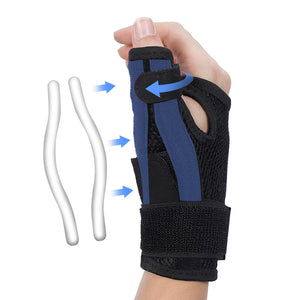
Runners Knee Brace
- Black
- Green
- Orange
- Pink
- Black
- Blue
- Green
- Red
- Orange
- Blue
- Dark Blue
- Black
- White
- Red
- Blue
- Black
- Blue
- Red
- Orange
- Yellow
- Black
- Blue
- Green
- Red
- Blue
- Black
- White
- Red
- Dark Blue
- Grey
- Black
- Blue
- Pink
- Grey
- Black
- White
- Light Black
- Black
- Light Grey
- Grey
- Magenta
- Black
- Green
- Black
- Grey
- Red
- Blue
Should I Compress Runners' Knees?
Runner’s knee, clinically referred to as patellofemoral pain syndrome, is a highly common and frustrating ailment that plagues countless athletes and active individuals. From neighborhood joggers to dedicated track stars, this condition is universally recognized by a distinct, throbbing pain located around, behind, or under the kneecap. The discomfort is typically exacerbated by everyday high-impact activities such as logging miles on the pavement, performing heavy squats, or simply climbing stairs.
One of the most effective non-invasive ways to manage this daily discomfort is to use a running knee brace, a tool designed to provide targeted compression, warmth, and stability to the affected joint. But a prominent question remains for many navigating this injury: Is compressing the knee actually the right move?
The Science Behind Knee Compression
When asking whether you should compress your knees while battling runner's knee, the answer is a resounding yes—provided it is done correctly. Compression is a cornerstone of joint recovery and injury management.
When you apply a snug, gentle pressure to a distressed knee joint, you are actively helping the body reduce excess swelling and localized inflammation. Fluid buildup is one of the primary contributors to stiffness and aching in the knee. By compressing the area, you encourage better blood circulation. Improved blood flow flushes cellular waste and delivers fresh, oxygen-rich blood to irritated tissues, effectively supporting the body’s natural healing processes and accelerating recovery.
How Joint Stabilization Benefits Active Recovery
A well-fitted support garment offers varying levels of compression, tailored to the severity of your discomfort. This controlled compression is not just a mechanism for immediate, short-term pain relief; it is a critical factor in long-term athletic longevity.
When the knee joint is externally stabilized, the surrounding ligaments, tendons, and muscles do not have to work quite as hard to keep the patella (kneecap) tracking correctly. This significantly reduces the biomechanical strain on your lower body. By limiting unwanted lateral movement, stabilization helps prevent further aggravation of the underlying injury, creating a much safer environment for you to eventually transition back into your normal physical activities.
Enhancing Proprioception and Form
An often-overlooked benefit of compression is its impact on the nervous system. When you incorporate a high-quality knee brace for running into your routine, it actively enhances proprioception. Proprioception is your body's subconscious ability to sense movement, action, spatial awareness, and joint location.
With heightened sensory feedback from the compression against the skin, runners can naturally adjust their strides and correct poor movement patterns on the fly. Decreasing the likelihood of developing secondary, compensatory injuries—which often occur when an athlete alters their natural gait to avoid pain—is vital. This benefit is particularly important for enthusiastic runners who might be tempted to resume their rigorous training schedules prematurely, risking severe reinjury.
The Psychological Edge of Joint Support
Beyond the tangible physical and biomechanical advantages, wearing a supportive garment provides immense psychological reassurance. Experiencing a sports injury can create a significant mental barrier. Athletes often develop anxiety or hesitation about returning to the activities they love, fearing that a single wrong step will trigger a flare-up.
Knowing that your joint is safely wrapped and reinforced can help alleviate this performance anxiety. When you feel physically secure, your confidence translates into a more relaxed, natural running posture, which ultimately has a highly positive impact on your overall athletic performance and motivation to stay active.
Building a Comprehensive Treatment Strategy
While the benefits of joint compression are clear, it is absolutely crucial to remember that support garments are not standalone cure-alls. While compression aids tremendously in reducing inflammation and promoting a secure environment for healing, it must be utilized in conjunction with other rehabilitative therapies.
Addressing the root cause of runner's knee requires a holistic approach. Physical therapy, targeted strengthening exercises focusing on the quadriceps and glutes, and consistent flexibility routines for your hamstrings and calves are all indispensable components of a successful treatment plan.
If you are currently experiencing the frustrating aches associated with patellofemoral pain syndrome, integrating a knee brace for running support can be a highly valuable component of your overall recovery strategy. It delivers essential joint reinforcement, enhances the healing environment, and facilitates a confident, safe return to the physical activities you enjoy. Just remember to combine the power of compression with a dedicated physical conditioning routine. By doing so, you ensure that you will get back on track, to the gym, or to the woodland trails significantly stronger and more resilient than you were before.