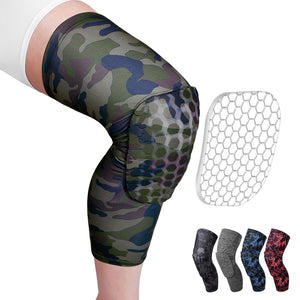
Splint for Ulnar Nerve Entrapment
- Black
- Blue
- Black
- Grey
- Blue
- Purple
- Pink
- Black
- Dusty Blue
- Blue
- Pink
- White
- Grey
- Black
- Blue
- Black
- Grey
- Grey
- Blue
- Black
- Pink
- White
- Yellow
- Purple
- Black
How Long to Wear a Splint for Ulnar Nerve Entrapment?
Ulnar nerve entrapment, commonly known in the healthcare field as Cubital Tunnel Syndrome, occurs when the ulnar nerve becomes pinched, compressed, or irritated, most commonly at the inner aspect of the elbow joint. If you have ever bumped your "funny bone," you have experienced a brief, intense shock to this exact nerve. However, chronic compression can lead to persistent numbness, a tingling "pins and needles" sensation, and muscle weakness in the ring and little fingers.
One of the most effective, non-invasive treatment options for managing this discomfort is an elbow splint to protect the ulnar nerve. By restricting harmful movements, this simple tool creates an optimal environment for injured tissues to heal.
Understanding Ulnar Nerve Compression at the Elbow
The ulnar nerve runs from your neck down into your hand, supplying feeling to the pinky and half of your ring finger. It also controls many of the small muscles in your hand that help with fine motor skills and grip strength. As the nerve passes through the elbow area—specifically through a narrow passageway called the cubital tunnel—it is highly vulnerable to compression.
Frequent bending of the elbow, leaning on hard surfaces, or sleeping with your arms tightly curled against your chest can stretch and irritate the nerve. Over time, this repetitive stress causes inflammation. If left untreated, severe entrapment can lead to permanent nerve damage and significant loss of hand function.
How Immobilization Aids the Healing Process
The primary goal of conservative treatment is to stop the continuous stretching and pinching of the nerve. This is where an ulnar elbow splint becomes invaluable.
Typically designed to immobilize the joint, a specialized splint keeps the arm in a straight, neutral position (usually positioned between 30 and 45 degrees of flexion). This specific angle is critical because bending the elbow past 90 degrees dramatically narrows the cubital tunnel and stretches the nerve taut across the medial epicondyle (the inner bony bump of the elbow). By maintaining your arm in a neutral, extended position, a high-quality splint prevents nerve aggravation, drastically reduces inflammation, and creates the ideal biological environment for the nerve to recover.
The Recommended Timeline: How Long Should You Wear Your Splint?
The duration of splint wear can vary based on symptom severity, lifestyle factors, and an individual's unique biological response to treatment. However, most healthcare professionals recommend wearing a splint for 2 to 6 weeks.
During the first few weeks of consistent use, most individuals notice a significant reduction in nocturnal numbness and daytime tingling. However, even if your symptoms begin to subside quickly, it is important to follow the full recommended timeline. Complete cellular recovery takes time, and stopping your regimen too early can easily trigger a relapse. For cases involving severe, long-standing nerve compression, the healing timeline may extend beyond six weeks.
Nighttime Splinting: The Most Crucial Step
During sleep, it is incredibly common for people to unconsciously curl their arms tightly into a fetal position. This sustained, deep elbow flexion is often the primary culprit behind morning numbness and nighttime pain. Wearing a splint while you sleep ensures your arm stays straight throughout the night, completely eliminating this unconscious nerve compression. For many, nighttime use alone is enough to resolve mild to moderate symptoms within the 2 to 6-week window.
Daytime Management and Joint Protection
While nighttime wear is standard, your daytime routine plays an equally important role in your recovery. Depending on your daily activities, your doctor might also suggest wearing an elbow brace during the day to protect the ulnar nerve. This is particularly crucial if your occupation or hobbies involve repetitive arm bending, heavy lifting, or resting your elbows on hard desks.
If your job requires prolonged computer use or extended driving, wearing a lightweight elbow splint can prevent accidental bending and serve as a physical reminder to maintain proper ergonomics.
Complementary Therapies for Faster Recovery
While a splint does the heavy lifting by preventing further injury, incorporating other conservative therapies can accelerate your journey back to full health.
- Nerve Gliding Exercises: Also known as neural flossing, these targeted physical therapy movements help the ulnar nerve slide smoothly through the cubital tunnel, reducing scar tissue buildup and improving flexibility.
- Ergonomic Adjustments: Adjust your workstation so your chair is at the correct height to prevent resting your elbows on the armrests or desk surface.
- Posture Correction: Because the ulnar nerve originates in the cervical spine, improving your neck and shoulder posture can alleviate tension along the entire nerve pathway.
Transitioning Back to Normal Activities
As your symptoms gradually improve, you can begin the tapering phase. This involves gradually reducing the time you wear the splint, allowing for increased natural movement while closely monitoring your arm for any recurrence of numbness or pain.
Listening to your body is critical during this phase. Proper management and patience are key to a full recovery, which will eventually enable you to safely resume your favorite daily activities. Whether you are returning to repetitive typing, heavy lifting, or dynamic sports such as tennis, golf, and badminton, allowing the ulnar nerve adequate time to heal will ensure you can perform at your best without discomfort or fear of reinjury. Always consult with a qualified healthcare professional before completely discontinuing your splinting routine to ensure your nerve has fully stabilized.