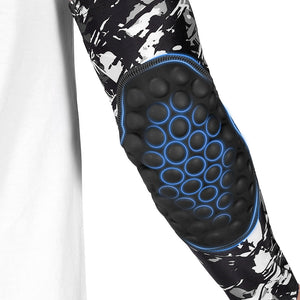
Squat Knee Sleeves
- Black
- Green
- Orange
- Pink
- Black
- Blue
- Green
- Red
- Orange
- Blue
- Dark Blue
- Black
- White
- Red
- Blue
- Black
- Blue
- Green
- Red
- Dark Blue
- Grey
- Black
- Blue
- Pink
- Grey
- Black
- White
- Light Black
- Black
- Light Grey
- Grey
- Magenta
- Black
Do Knee Sleeves Help with Squats?
In the dynamic world of fitness, strength training, and powerlifting, athletes are constantly searching for ways to optimize their performance and protect their bodies. As you navigate the weight room, you have likely noticed lifters wrapping their joints or sliding on tight, colorful tubes over their legs before hitting the squat rack. A common question that frequently arises within the fitness community is: Do knee sleeves help with squats? To provide a comprehensive answer, it is essential to delve deeply into the specific functions, biomechanical benefits, and practical applications of this highly popular gym accessory.
The Biomechanics of Squatting and Joint Support
The barbell back squat is often referred to as the king of all exercises, demanding intense full-body coordination, raw strength, and significant mobility. During deep squats, your joints experience considerable stress, particularly when lifting heavy weights close to your one-rep max. This is exactly where gym gear steps in.
A high-quality Squat knee sleeve is typically made of dense, flexible neoprene and designed to fit snugly around the joint. Unlike stiff wraps that physically alter the mechanics of your lift, a sleeve's primary function is to provide reliable, consistent compression. This compression serves as a foundational layer of physical and mental support, fundamentally changing how your legs feel under a heavily loaded barbell.
Top Benefits of Wearing Compression Gear on Leg Day
When athletes incorporate squat knee sleeves into their training regimens, they unlock several distinct advantages that can elevate their leg day performance.
Enhanced Blood Flow and Reduced Fatigue
The tight fit of neoprene promotes targeted blood flow to the muscles, ligaments, and tendons surrounding the kneecap. Enhanced circulation accelerates warm-up, efficiently delivering oxygen to working muscle tissues while clearing lactic acid. This dynamic compression reduces muscle fatigue, which is especially beneficial during intense, high-volume hypertrophy routines or prolonged lifting sessions.
Joint Stability and Proprioception
Another significant benefit of knee sleeves is their remarkable ability to provide stability and structural support. They help stabilize joint tracking, minimizing unnecessary lateral movement or wobbling that can easily lead to acute strains or overuse injuries. Furthermore, the snug compression enhances proprioception—your brain’s spatial awareness of your joints' positions during the lift. This added sensory feedback can be crucial for individuals looking to perfect their form, as well as those managing everyday gym aches, offering a comforting layer of protection during grueling workouts.
Thermal Insulation for Joint Warmth
In addition to providing mechanical support, these accessories offer exceptional thermal benefits. Keeping the joint warm is absolutely crucial for maintaining optimal flexibility and function during squats. Colder joints naturally lead to stiffness, which can severely inhibit range of motion, hinder depth, and increase the risk of injury. By locking in body heat, athletes can keep their ligaments warm and mobile between sets, enabling a more effective, fluid, and safer squatting experience.
Can They Actually Increase Your Squat Weight?
Many lifters turn to search engines, wondering whether wearing compression gear will instantly add pounds to their maximum squat. While they will not magically grant you supernatural strength, the physical warmth, enhanced stability, and mild "bounce" at the bottom of the squat (the hole) can boost an athlete's confidence. This psychological edge, combined with improved biomechanical tracking, often allows lifters to push through plateaus and lift heavier volumes with far greater consistency.
Technique Over Gear: The Golden Rule of Lifting
Despite the myriad of advantages they offer, it must be noted that compression gear is not a magical fix for poor movement patterns. They are not a substitute for proper squat technique, adequate mobility training, and foundational core conditioning. Relying too heavily on artificial support without building the necessary physical framework can eventually lead to a lack of raw strength in the surrounding stabilizing muscles. Therefore, they should be used strategically as a supplementary training tool rather than as a primary means of ensuring joint integrity.
How to Find the Perfect Fit for Your Workouts
Choosing the correct size, thickness, and overall fit is vital for maximizing the intended benefits. Ill-fitting gear can lead to severe discomfort, bunching behind the knee, or restricted circulation, completely negating the positive effects. A loose fit will fail to provide the required compression, while an excessively tight fit can hinder your overall range of motion.
Athletes should diligently measure the circumference of their calves and lower thighs, referring to specific brand sizing guides before making a purchase. For general fitness and high-intensity interval training, a 5mm thickness is often preferred for its versatility. However, dedicated strength athletes and powerlifters generally gravitate toward thicker 7mm options for maximum compression and rebound during heavy sets.