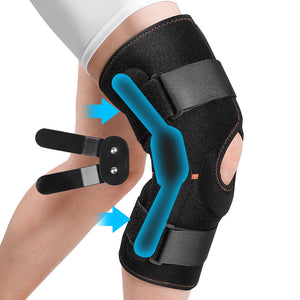
The Best Ankle Support
- Black
- Orange
- Green
- Pink
- Black
- Grey
- Blue
- Pink
- Purple
- Black
- Red
- Blue
- Orange
Does Walking Strengthen Ankles?
Walking is often celebrated for its incredible cardiovascular benefits and its role as an easily accessible, low-impact exercise. However, a common question among fitness enthusiasts, seniors, and those looking to improve their joint health is: Does walking strengthen ankles? The short answer is yes. Beyond burning calories and boosting your mood, a daily walking routine can significantly enhance the strength, stability, and overall mobility of your ankle joints.
The Biomechanics: How Walking Builds Ankle Strength
The ankles are vital weight-bearing joints that facilitate nearly all lower-body movement. Every time you take a step, a complex network of muscles, tendons, and ligaments springs into action. Walking actively engages the calf muscles—specifically the gastrocnemius and soleus—as well as the smaller stabilizing muscles surrounding the ankle joint.
As your foot strikes the ground and pushes off, these muscle groups must constantly adjust to maintain your body's balance and alignment. Over time, this repetitive, low-impact engagement conditions the muscles and soft tissues, leading to improved joint stability. Stronger ankles translate to better athletic performance, enhanced balance for daily activities, and a drastically reduced risk of common lower-body injuries, such as twists and severe sprains.
Strategies to Maximize Ankle Strengthening
To get the most out of your walking routine and purposefully target weak ankles, you can easily modify your workouts. Here are a few highly effective strategies to challenge your lower body and increase joint resilience:
Traverse Uneven Terrain
Walking on perfectly flat, paved sidewalks is a great starting point for beginners, but stepping onto uneven surfaces can dramatically intensify the joint-strengthening benefits. Consider taking your daily walks to nature trails, grassy parks, or even sandy beaches. The unpredictable nature of uneven terrain forces the micro-muscles around your ankle to work much harder to keep your body upright. This natural resistance training promotes rapid muscle adaptation, functional strength, and heightened proprioception (your body's ability to sense its position in space).
Add Inclines and Change Speeds
Whether you are walking on a treadmill at the gym or exploring a hilly neighborhood, walking uphill forces your ankles into a deeper range of motion known as dorsiflexion. This heavily recruits the calf muscles and stretches the Achilles tendon, building functional power. Additionally, mixing up your walking speeds—alternating between a brisk, power walk and a steady stroll—requires your stabilizing muscles to adapt quickly to changing forces, further building muscular endurance in the lower leg.
The Importance of Protecting Your Joints
While walking is an excellent way to naturally build joint resilience, it is equally essential to implement supportive measures. This is especially true if you are navigating rough ground, recovering from a previous sports injury, or dealing with chronic joint instability and weakness.
One of the most effective ways to safeguard this vital joint without hindering your active lifestyle is by utilizing the best ankle support. These supports, typically adjustable wraps or compression sleeves, are meticulously designed to provide targeted stability and reduce the risk of accidental sprains. By gently compressing the joint and limiting excessive side-to-side movements (inversion and eversion) that often lead to rolled ankles, a quality support wrap ensures you can walk confidently and securely. Proper stabilization is absolutely crucial for individuals actively rehabilitating a sprain or those with a history of rolling their ankles.
Selecting the Right Gear for Your Walks
When searching for the ideal stabilization gear, prioritize factors such as personalized fit, all-day comfort, and the specific level of support you require. For walking and low-impact cardio, lightweight and highly breathable materials are usually preferable, as they will not restrict your natural gait or cause overheating during long miles. Adjustable straps are another excellent feature, allowing you to customize the compression level to your exact liking, ensuring a secure and snug feel that moves seamlessly with your body.