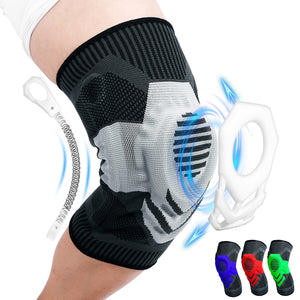
Volleyball Ankle Guards
- Black
- Grey
- Blue
- Pink
- Purple
- Black
- Red
- Blue
- Orange
- Black
- Orange
- Green
- Pink
How to Prevent Sprained Ankles in Volleyball?
Volleyball is a fast-paced, exhilarating sport that demands explosive agility, rapid directional changes, and high-flying precision. However, with the thrill of spiking, blocking, and diving for digs comes a significant risk of lower-body injuries. Ankle sprains are among the most common setbacks for volleyball players. A severely rolled ankle can keep an athlete sidelined for weeks, disrupting crucial team training, tournament schedules, and overall physical conditioning.
Understanding the Mechanics of a Volleyball Ankle Sprain
An ankle sprain occurs when the ligaments—the tough bands of tissue that connect the bones in the ankle joint—are stretched beyond their normal limits or torn completely. In the dynamic environment of a volleyball court, this injury most frequently happens during the landing phase of a jump.
A player might land awkwardly after a block, step on a teammate's foot during a chaotic defensive play, or cross the centerline and land on an opponent's foot. The severity of these injuries can range from a mild grade-one sprain, where the ligament is merely overstretched, to a severe grade-three sprain, which involves a complete ligament tear and significant joint instability.
The Crucial Role of Ankle Protection
Wearing specialized protective gear is a frontline defense against court injuries. Volleyball ankle guards are expertly designed, supportive devices that provide crucial proprioceptive feedback and mechanical stability to the ankle joint, substantially reducing the risk of painful sprains.
These guards function by applying targeted compression to the ankle area, which helps limit the excessive lateral (side-to-side) inversion and eversion movements that typically lead to a rolled ankle. Gear ranges from lightweight compression sleeves that offer basic, everyday support to highly structured sprained ankle braces that effectively immobilize the joint to protect healing ligaments from further damage.
Choosing the Perfect Gear for Court Domination
When selecting the ideal protective equipment for your upcoming season, it is vital to evaluate several key factors to ensure optimal performance and safety:
- Perfect Fit: Your gear must fit snugly around your foot and lower leg without restricting blood circulation or causing friction blisters. A proper, contoured fit is the cornerstone of effective joint stabilization.
- Breathable Materials: Volleyball matches are intense and sweaty. Look for moisture-wicking, highly breathable fabrics that keep your feet dry, cool, and comfortable during grueling five-set matches.
- Appropriate Level of Support: Assess your personal injury history and your position on the court. Finding the right volleyball ankle support brace can provide the exact level of tension you need. For instance, athletes who have previously suffered severe sprains at the net will heavily benefit from a more rigid, laced, or hinged guard.
- Uncompromised Mobility: While steadfast support is a priority, athletes must also consider how their gear impacts their jumping and running mechanics. When shopping for the best ankle brace volleyball athletes rely on, opt for a design that permits natural forward-and-backward foot flexion while strictly controlling risky side-to-side rolls.
Comprehensive Preventive Strategies Beyond the Brace
While utilizing top-tier ankle guards is highly recommended, athletes should adopt a holistic, full-body approach to joint health. Combining protective wear with proactive physical conditioning builds a more resilient volleyball player.
Targeted Ankle Strengthening Exercises
Incorporate resistance band work, calf raises, and balance board routines into your weekly workouts to strengthen the muscles and tendons surrounding the ankles. Stronger lower-leg muscles act as a natural shock absorber, providing superior joint support during explosive jump landings.
Dynamic Warm-Up Routines
Never step onto the court cold. A comprehensive, dynamic warm-up that includes high knees, lateral lunges, and ankle circles increases blood flow and prepares your ligaments for the aggressive, multidirectional movements required in competitive volleyball.
Invest in Proper Volleyball Footwear
Standard running shoes lack the lateral support needed for court sports. Wearing shoes specifically engineered for indoor volleyball enhances gum-rubber floor grip, prevents sliding, and features built-in structural support specifically designed to cradle the ankle during side-to-side shuffling.
Master Your Landing Mechanics
Educating yourself on proper biomechanics is one of the best ways to stay injury-free. Practice landing softly on both feet with your knees slightly bent to absorb impact efficiently. Additionally, developing keen spatial awareness at the net helps you avoid dangerous centerline foot traffic, keeping your feet clear of other players.