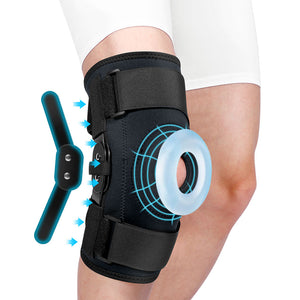
Volleyball Ankle Support
- Black
- Orange
- Green
- Pink
- Black
- Grey
- Blue
- Pink
- Purple
- Black
- Red
- Blue
- Orange
Why Do Volleyball Players Tape Their Ankles?
Volleyball is an incredibly fast-paced and dynamic sport that demands explosive power, rapid lateral movements, and sudden stops. Whether competing in a local recreational league or battling at the collegiate and professional levels, the physical stress placed on a player's lower extremities is immense. To safeguard against devastating injuries, many players opt to meticulously tape their ankles before stepping onto the hardwood or the sand. This practice has evolved into a crucial piece of pre-game preparation for both amateur and elite athletes. Understanding exactly why volleyball players tape their ankles can shed light on the comprehensive benefits of volleyball ankle support during a highly competitive match.
The Intense Physical Demands of the Court
Volleyball requires athletes to constantly execute high vertical jumps for blocks and spikes, dive intensely for digs, and pivot abruptly to track the ball. Every time a player lands from a maximal jump, their feet and ankles absorb a profound amount of shock, often equivalent to several times their own body weight. If a player lands awkwardly—perhaps coming down on a teammate's or opponent's foot near the net—the risk of rolling or severely spraining an ankle skyrockets. Taping serves as a frontline defense against these very common, sport-specific mechanisms of injury, providing a reliable foundation for explosive, dynamic movement.
Enhancing Joint Stability and Support
One of the primary reasons for taping ankles is to provide unparalleled structural stability and support. Because volleyball players frequently change direction in the blink of an eye, the ligaments and tendons in the ankle joint are highly susceptible to overstretching and tearing. By securely wrapping their ankles with athletic tape, players can dramatically enhance the stability of their joints, significantly mitigating the risk of inversion and eversion sprains. This additional layer of physical reinforcement allows athletes to perform at their absolute peak, moving aggressively with the assurance that their most vulnerable joints are highly secure.
Limiting Unnatural Range of Motion
While athletes absolutely need a high degree of flexibility and agility to execute complex plays effectively, excessive or uncontrolled joint movement can be highly detrimental to their health and overall performance. Proper taping techniques help to deliberately restrict unnatural or extreme ranges of motion that typically lead to severe strains or ligament tears. It serves as a mechanical blockade and a vital preventive measure, enabling players to maintain their elite athletic performance while ensuring they do not push their joints past safe physiological limits during a grueling set.
The Psychological Edge: Playing with Supreme Confidence
Another critical yet frequently overlooked aspect of injury prevention is the psychological boost that a secure wrap can provide. Many players feel significantly more confident and mentally grounded when their joints are tightly taped, deeply believing it shields them from potential season-ending injuries. This profound sense of security can directly enhance their on-court execution. It allows competitors to focus entirely on reading the opponent's offense, communicating with teammates, and executing their winning strategy, rather than harboring an underlying fear of getting hurt. The mental aspect of sports plays a massive role in victory, and having reliable physical reinforcement can positively and substantially impact a player's overall performance.
Aiding Recovery and Managing Past Injuries
For players who have previously suffered from sprains or micro-tears, taping acts as both a functional physical aid and a powerful mental cue to remain mindful of their body mechanics. It provides the necessary compression, swelling management, and proprioceptive feedback needed to navigate the court safely after a period of rehabilitation. It serves as a constant physical reminder to remain cautious while playing, actively supporting their ongoing recovery efforts without forcing them to sit out. This is especially important in a demanding sport like volleyball, where players are constantly required to repeatedly jump, sprint, and land with precision over long tournaments.
A Central Element in Injury Prevention Strategies
The traditional practice of taping ankles among volleyball players offers a wide array of multifaceted benefits that extend far beyond simple first aid. From delivering essential biomechanical stability and limiting dangerous, excessive movements to boosting players' self-assurance and accelerating injury recovery, securing the lower extremities is absolutely essential for athletes thriving in this high-impact sport. As players continue to push their vertical leaps and lateral speeds to entirely new heights, the importance of robust joint protection through athletic taping will remain a cornerstone of athletic longevity and safety. Recognizing these vital benefits helps underscore exactly why ankle taping has become an enduring, non-negotiable ritual before every single game for volleyball enthusiasts nationwide.