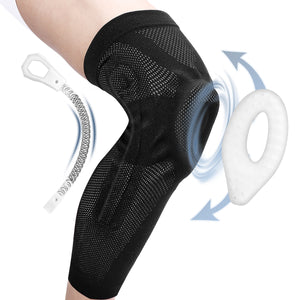
Waterproof Ankle Support for Swimming
- Black
- Orange
- Green
- Pink
- Black
- Grey
- Blue
- Pink
- Purple
- Black
- Red
- Blue
- Orange
Can I Wear an Ankle Brace While Swimming?
Swimming is widely regarded as one of the most effective full-body workouts. Because water creates a buoyant, low-impact environment, it takes significant stress off your joints. This makes the pool an excellent place for individuals recovering from lower-body injuries, dealing with chronic joint instability, or managing arthritis. However, if you are currently rehabilitating an ankle injury, you might be asking yourself an important question: Can you wear an ankle brace in the water?
The short answer is a resounding yes. You can absolutely wear an ankle support while swimming, doing water aerobics, or participating in aquatic physical therapy. However, consider a few key factors before you dive in, especially the materials and design of the support you choose.
Why Standard Braces Fail in the Pool
While you can technically take any brace into the water, doing so with a traditional fabric or plastic support is generally a bad idea. Most standard braces are designed for dry-land activities like running, hiking, or court sports. When submerged, these traditional supports act like sponges. They absorb massive amounts of water, becoming incredibly heavy and bulky. This added weight creates unnecessary drag, causing discomfort and actively hindering your swimming technique.
Furthermore, standard materials are not built to withstand the harsh chemicals found in public pools or the salinity of the ocean. Prolonged exposure to chlorine, pool shock treatments, or saltwater will rapidly degrade the elastic, fabric, and plastic components. This deterioration reduces compression and structural integrity, ultimately undermining support for use on land.
The Solution: Upgrading to Aquatic Ankle Support
If you want to maintain joint stability while enjoying your time in the water, you need gear specifically engineered for that environment. Investing in a high-quality waterproof ankle brace is the best way to protect your ligaments without compromising your aquatic workout.
These specialized water-resistant supports are constructed from advanced, non-absorbent materials like specialized neoprene or hydrophobic synthetics. Because they repel water rather than absorb it, they remain incredibly lightweight. A proper water-friendly brace provides the necessary stabilization for your Achilles tendon, heel, and ankle ligaments without weighing your foot down or causing drag in the water.
Key Features to Look for in a Water-Friendly Ankle Brace
When selecting the right gear for your aquatic fitness routine, keep an eye out for these essential features to ensure maximum safety and comfort:
1. Optimal Compression and Stabilization
The primary goal of any brace is to stabilize the joint. Your aquatic brace should offer targeted compression to reduce swelling and improve blood circulation. A snug fit helps hold the ligaments in place, reducing the risk of a dangerous twisting motion while you kick. However, make sure the compression is balanced—it should fit securely without cutting off circulation.
2. Full Range of Motion
Unlike walking or running, swimming requires your feet to point and flex continuously. Rigid lace-up designs or supports with hard metal stays can severely restrict this necessary flexibility. The ideal aquatic support should offer a dynamic stretch, allowing your ankle to move freely through the flutter kick or breaststroke kick without straining the injured area.
3. Snug, Anti-Chafing Fit
Water increases friction against the skin, which can quickly lead to painful blisters or chafing if your gear fits poorly. Before you get into the pool, try the brace on and adjust all straps to eliminate any loose gaps. A streamlined, anatomical fit keeps the brace securely wrapped around your foot, preventing shifting or rubbing during vigorous aquatic exercise.
Tailoring Your Swim to Your Injury
While aquatic therapy is fantastic for rehabilitation, you should consider the specific nature and severity of your injury before jumping into the deep end.
If you are recovering from a mild, grade-one ankle sprain or dealing with general weakness, swimming with a specialized brace can be a phenomenal way to rebuild strength safely. Water resistance helps tone the stabilizing muscles around the joint safely.
Conversely, if you have recently suffered a severe grade-three tear, a fracture, or have just undergone surgery, swimming might inadvertently aggravate the tissue, even with excellent support. Always listen to your body’s pain signals and consult a healthcare professional before adding new exercises to your recovery protocol.
Post-Swim Maintenance for Your Gear
To maximize the lifespan of your aquatic ankle support, proper aftercare is essential. Even highly resistant materials benefit from a quick rinse. Immediately after you finish your swim, rinse the brace thoroughly with clean, fresh water to wash away any lingering chlorine, pool chemicals, or salt. Lay it flat in a shaded, well-ventilated area to air-dry. Avoid throwing it in a hot dryer or leaving it in direct sunlight, as excessive heat can warp the flexible materials.