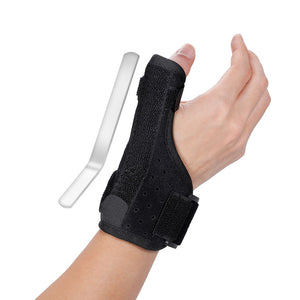
Weightlifting Elbow Sleeves
- Black
- Blue
- Black
- Grey
- Blue
- Purple
- Pink
- Grey
- Black
- Blue
- Black
- Grey
- Black
- Dusty Blue
- Blue
- Pink
- White
- Grey
- Blue
- Black
- Pink
- White
- Yellow
- Purple
- Black
At What Weight Should I Start Using Elbow Sleeves?
Elbow sleeves have become an increasingly popular staple in gym bags. From local commercial gyms to elite powerlifting centers, you'll often see athletes using these supportive accessories to optimize their pressing movements. By providing essential support and warmth to the elbow joint during grueling workouts, they offer a real advantage.
However, a common question plagues novice and intermediate lifters: At what weight should you start using elbow sleeves to maximize their benefits while minimizing injury risk?
To answer this, we need to dive into the mechanics of heavy lifting, joint health, and how to scale your supportive gear alongside your strength gains.
Understanding the Primary Functions of Lifting Sleeves
Before choosing the right weight threshold, you need to understand how these accessories improve performance. Made from durable, elastic materials, they provide targeted compression across the entire joint structure.
This localized compression dramatically increases blood flow to the region. Enhanced circulation helps reduce delayed-onset muscle soreness (DOMS) and promotes faster recovery after intense lifting sessions. Furthermore, wrapping the joint keeps the surrounding muscles, ligaments, and tendons warm. This improves synovial fluid flow, naturally lubricating the joint for smooth, pain-free movement during heavy lifts. By enhancing proprioception—your body’s spatial awareness of joint positioning—these sleeves give you a distinct psychological and physical edge.
Is There a Magic Weight Threshold?
The short answer is no; there isn't a universally mandated weight threshold at which one must begin using joint support. You don't need to bench press 315 pounds to justify taking care of your joints. Individual needs vary wildly based on factors such as lifting experience, workout intensity, anatomical differences, and any pre-existing wear and tear.
However, several foundational guidelines and performance benchmarks can help you decide when to add compression elbow sleeves to your regular training routine.
1. The 70% to 85% 1RM Rule
While raw numbers (like 135 lbs vs. 225 lbs) are subjective, percentages of your One-Repetition Maximum (1RM) offer a highly accurate metric. Generally, if you are consistently lifting weights above 70% of your 1RM, the stress placed on your tendons increases significantly.
When you enter the heavier strength-building ranges—typically anything above 75% to 85% of your 1RM—investing in joint support is a very wise decision. At these heavier loads, the stabilizing muscles around the elbow work overtime. Supporting them helps maintain perfect form and joint health as your lifts become increasingly demanding.
2. Lifting Experience and Training Age
For beginner lifters in their first few months of training, supportive gear might not be entirely necessary unless you are actively experiencing discomfort. In the early stages of a fitness journey, it helps to let your connective tissues adapt and strengthen under natural, unassisted loads.
However, as you progress beyond the beginner phase and move into intermediate or advanced programming, the sheer volume of weight you move each week skyrockets. As your muscles grow stronger, your tendons take longer to catch up. This is the optimal time to add support.
3. Early Signs of Discomfort or Instability
Listen to your body. If you notice dull aching, sharp pain, or subtle instability in your arms while lifting, that is a clear sign you need a change. Ignoring these warning signs can lead to long-term setbacks.
Slipping on high-quality elbow compression sleeves can support your joints, ease minor aches, and help prevent further injury. The warmth generated by the compression is exceptionally effective at soothing irritated tendons, making them a crucial tool for anyone prone to push-day joint stiffness.
4. Workout Type and Exercise Selection
Different types of lifts place wildly different levels of mechanical strain on your body. Compound pushing exercises are notorious for testing joint integrity. If your routine is heavy in the following movements, you will likely benefit from sleeves regardless of the absolute weight on the bar:
- Barbell Bench Presses
- Heavy Dumbbell Shoulder Presses
- Overhead Military Presses
- Weighted Dips
- Skull Crushers and Heavy Triceps Extensions
- Strongman movements (like log presses or atlas stones)
For exercises that involve heavy impact or resting heavy implements on the arms, utilizing padded elbow sleeves provides an excellent combination of compression and targeted impact resistance, ensuring maximum comfort during dynamic movements.
5. Proactive Injury Prevention
You do not need to wait for a nagging injury to justify protecting your body. Utilizing supportive gear as a preventive measure is a hallmark of a smart, longevity-focused athlete. This is especially true during high-volume hypertrophy training phases, where you might be performing dozens of sets per week. Cumulative, repetitive stress on the joints can easily lead to overuse injuries such as tendonitis. Prehab is always more effective—and less frustrating—than rehab.
Making the Right Choice for Your Routine
While there is no strict numerical weight guideline for when to start using these lifting accessories, paying close attention to your body and the escalating demands of your workout programming is the key to longevity.
If you routinely lift heavier weights, push for new personal records, experience minor push-day discomfort, or want proactive protection against future injuries, it is time to upgrade your gym bag. Adding the right supportive tools to your training regimen will help you lift safely, recover faster, and tackle your most ambitious fitness goals with confidence.