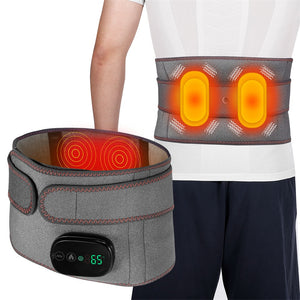
Wrap Around Knee Brace
- Black
- Green
- Orange
- Pink
- Black
- Blue
- Green
- Red
- Orange
- Blue
- Dark Blue
- Black
- White
- Red
- Blue
- Black
- Blue
- Red
- Orange
- Yellow
- Black
- Blue
- Green
- Red
- Blue
- Black
- White
- Red
- Dark Blue
- Grey
- Black
- Blue
- Pink
- Grey
- Black
- White
- Light Black
- Black
- Light Grey
- Grey
- Magenta
- Black
- Green
- Black
- Grey
- Red
- Blue
Is it Bad to wear a Knee Brace While Sitting?
Knee braces have become an essential tool for athletes, fitness enthusiasts, and everyday individuals recovering from joint injuries or managing chronic pain. Because they provide targeted support and stability, it is easy to see why they are so widely used. However, with many people working desk jobs or living relatively sedentary lifestyles, a common question frequently arises: Is it advisable to wear a knee brace while sitting for long periods?
Particularly for wrap-around styles designed to provide compression, wearing a brace while seated is not inherently bad, provided you follow a few essential guidelines.
The Benefits of Knee Compression While Seated
Wearing a wrap-around knee support can be highly beneficial, even when you are off your feet. When you sit for extended periods—whether at an office desk, during a long commute, or while relaxing at home—the knee joint can easily become stiff. Fluid tends to pool in inactive joints, leading to that familiar, uncomfortable tightness when you finally stand up.
The primary function of this type of support is to stabilize the area. By wearing a properly fitted knee joint brace, you help retain therapeutic body heat around the ligaments and tendons. This consistent warmth promotes healthy blood circulation, which helps prevent stiffness, alleviate arthritis-related pain, and accelerate the natural healing process after an injury or surgery.
Potential Risks: What Happens If Your Brace is Too Tight?
While there are clear benefits, there are also important considerations regarding fit and blood flow. A wrap-around knee support should feel snug and secure, but never painfully tight.
If your support is overly tight while your knee is bent in a seated position, it can compress vital blood vessels behind the kneecap. This restricted blood flow can lead to numbness, throbbing, or a tingling sensation in your lower legs and feet. In extreme cases, severe restriction can mimic the early signs of compartment syndrome, a serious condition that requires immediate attention. It is highly advisable to periodically check how your leg and toes feel while wearing the support, adjusting the velcro straps as needed throughout your workday.
Finding the Right Fit and Style for Office Work
Not all knee supports are created equal, especially when it comes to sitting. Heavy-duty braces with rigid metal hinges are excellent for physical activity, but they can dig into your skin or feel excessively bulky when your knee is bent at a desk.
During sedentary periods, opting for a soft knee brace is often the most comfortable choice. A flexible, breathable sleeve or a soft wrap provides the perfect balance of gentle compression and joint awareness (proprioception) without the harsh pinching associated with rigid plastic or metal components.
Best Posture Practices for Knee Pain at Your Desk
Sitting with a supportive brace can also impact your overall posture. If you sit in an awkward or heavily bent position, you might create unnecessary mechanical tension on the knee joint, the patella, and surrounding muscles like the hamstrings and quadriceps.
While wearing your support, it is crucial to remain conscious of your workplace ergonomics. Opt for a supportive, adjustable chair. Keep your knees at a comfortable 90-degree angle and ensure your feet are resting flat on the floor. Avoid crossing your legs for prolonged periods, as this can twist the knee and counteract the stabilizing benefits of your brace.
Post-Surgery and Severe Injuries
It is worth noting that if you are recovering from a major surgery (such as an ACL reconstruction or meniscus repair), your doctor's protocols will override general advice. In these clinical scenarios, you may be prescribed a specific knee immobilizer brace designed to keep the leg completely straight. If you are required to wear this type of rigid support, you will likely need to sit with your leg propped up on a stool or ottoman to prevent swelling and ensure the knee heals in the correct anatomical position.
How Long Should You Wear Your Brace?
Another major factor to consider is duration. While it is certainly beneficial to wear your support during brief periods of sitting, prolonged, all-day use might not be necessary unless specifically directed by a healthcare professional.
Muscles and ligaments need to bear weight and move independently to maintain their strength. Relying too heavily on external support 24/7 can eventually lead to muscle atrophy. It is important to give your body a break and allow the knee to engage in natural movement. Make it a habit to stand up, walk around, and gently stretch your legs every 30 to 60 minutes. This routine will keep your entire lower body healthy, lubricate the joints, and prevent the exact stiffness you are trying to avoid.