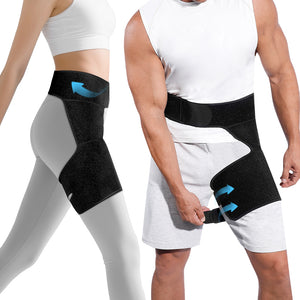
XXXL Knee Support
- Black
- Green
- Orange
- Pink
- Black
- Blue
- Green
- Red
- Orange
- Blue
- Dark Blue
- Black
- White
- Red
- Blue
- Black
- Blue
- Red
- Orange
- Yellow
- Black
- Blue
- Green
- Red
- Blue
- Black
- White
- Red
- Dark Blue
- Grey
- Black
- Blue
- Pink
- Grey
- Black
- White
- Light Black
- Black
- Light Grey
- Grey
- Magenta
- Black
- Green
- Black
- Grey
- Red
- Blue
What Weight is Too Obese for Knee Replacement?
Knee replacement surgery, also known as total knee arthroplasty, is a highly effective and common procedure designed to relieve chronic joint pain and restore mobility for individuals with severe osteoarthritis or traumatic joint damage. However, carrying excess weight can significantly complicate the surgical process and subsequent recovery. If you are experiencing debilitating joint pain, understanding how weight and Body Mass Index (BMI) affect knee replacement surgery is an essential first step in your orthopedic journey.
Understanding BMI Guidelines for Orthopedic Surgery
When assessing your eligibility for joint replacement, orthopedic surgeons primarily evaluate your Body Mass Index (BMI). BMI is a standard measurement that calculates body fat based on height and weight. In the medical community:
- A BMI between 25 and 29.9 is considered overweight.
- A BMI of 30 to 39.9 falls into the obese category.
- A BMI of 40 or greater is classified as morbidly obese.
Medical professionals carefully monitor patients with higher BMIs who are seeking joint replacement. Extensive clinical research indicates that patients presenting with a BMI over 35 face a notably increased risk profile. These risks include prolonged hospital stays, delayed wound healing, a higher probability of postoperative infections, and an increased chance of cardiovascular or anesthesia-related complications during the operation itself.
Why Excess Weight Impacts Joint Health
Weight is a critical consideration for surgical candidates, not just because of the operative risks but also because of the intense mechanical stress that excess weight places on the skeletal system. Every extra pound of body weight exerts roughly four additional pounds of pressure on the knee joints with every step you take. Over time, this compounding stress accelerates the degradation of cartilage, exacerbating chronic pain, swelling, and severe mobility limitations.
Furthermore, placing an artificial joint in an environment subject to immense biomechanical stress can shorten the implant's lifespan. The artificial components can wear out much faster, potentially necessitating complex and risky revision surgeries in the future. Because of this, surgeons strongly advocate for preoperative weight loss to ensure the longevity and success of the new knee joint.
Is There a Strict Knee Replacement Weight Limit?
A frequent question among patients is whether there is a definitive weight "cap" or cutoff for total knee replacement. While there is no universal, legally mandated weight limit that strictly prohibits surgery, many orthopedic surgeons implement their own clinical guidelines.
Generally, surgeons prefer that their patients maintain a BMI below 35 to significantly reduce the risk of complications. That said, the decision is rarely black-and-white. Depending on a patient's overall metabolic health, age, and severity of joint degradation, some surgeons will safely proceed with the procedure for individuals with BMI values up to 40. For patients with a BMI exceeding 40, surgeons frequently require a dedicated weight loss intervention prior to scheduling the operation. Ultimately, moving forward is a shared decision made between the patient and their healthcare team, carefully balancing the surgical risks against the potential for restored mobility and improved quality of life.
Managing Knee Pain and Mobility Before Surgery
For many individuals struggling with obesity, the demand to lose weight before surgery feels like an impossible paradox: you need to exercise to lose weight, but severe knee pain makes basic movement agonizing. This is where conservative, non-surgical management and orthopedic garments become vital.
Strategically designed supportive devices can play a transformative role in managing knee health during your weight-loss journey. For instance, incorporating an XXXL knee support into your daily routine provides essential joint compression for individuals with larger leg proportions. This type of targeted compression helps increase blood circulation, reduce debilitating inflammation, and provide structural stability. By alleviating immediate joint strain during daily activities, patients can stay on their feet longer, encouraging the physical movement necessary to meet surgical weight requirements.
The Role of Bracing in Physical Therapy
Engaging in a structured physical therapy program is one of the safest ways to achieve preoperative weight loss. Low-impact activities, such as water aerobics, stationary cycling, and guided stretching, can burn calories without punishing the cartilage.
During these rehabilitation sessions or daily walks, wearing a properly fitted plus-size knee brace offers maximum lateral and medial support. A high-quality brace helps maintain proper patellar tracking and prevents the joint from buckling under pressure. It serves as an invaluable intermediary tool, empowering patients with heavy weights to exercise with confidence, protect their vulnerable joints from further injury, and successfully bridge the gap between their current weight and their surgical goals.
Partnering with Your Healthcare Provider
While navigating weight requirements for knee surgery can feel overwhelming, maintaining a healthier body mass is undeniably crucial for a successful, long-lasting outcome. Surgical candidates should proactively collaborate with their primary care doctors, orthopedic specialists, and physical therapists to develop a realistic, individualized preoperative weight-loss plan.
By committing to a healthier lifestyle and using supportive tools such as proper joint bracing, you can effectively mitigate preoperative pain, enhance your daily mobility, and pave the way for a highly successful knee replacement and a vastly improved quality of life.