Golfer's Elbow: Uncover the Real Causes of Inner Elbow Pain & Find Lasting Relief
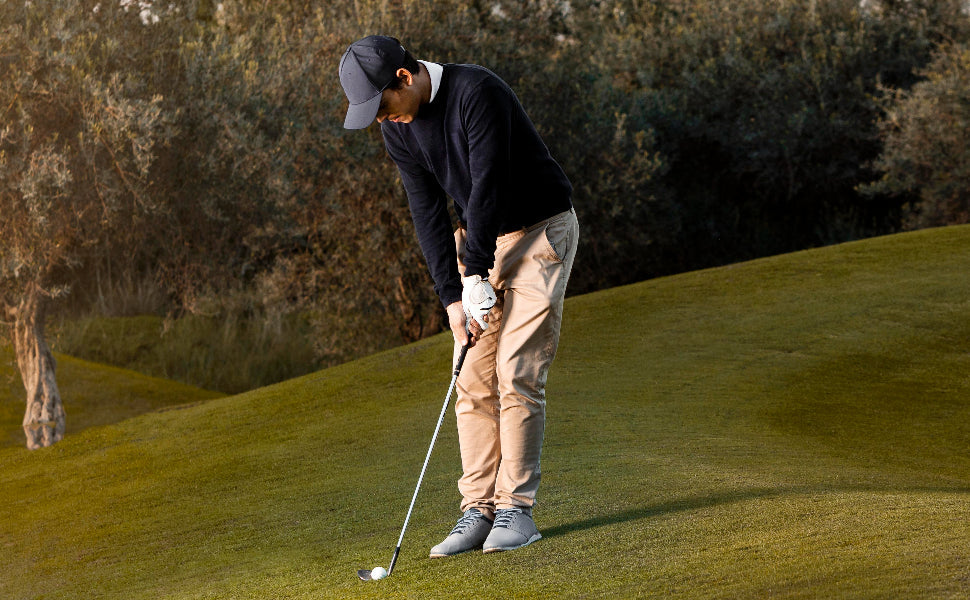
With summer in full swing, you’re likely gearing up for more time outdoors—perfecting your golf swing, tending to the garden, or maybe just carrying the cooler for a Fourth of July barbecue. But then you feel it: a sharp, nagging pain on the inside of your elbow that makes gripping a club or even a gallon of milk a wince-inducing experience.
Many people immediately label this "golfer's elbow," but the name is one of its most misleading parts. You don't have to be a golfer to suffer from it, and its root cause is far more complex than a few bad swings. Understanding what’s really happening inside your forearm is the first step toward finding lasting relief and getting back to the activities you love.
First, Let's Get the Anatomy Straight
To understand the problem, we need to know the players involved. Feel for the bony bump on the inside of your elbow—that's your medial epicondyle. It serves as the anchor point for a group of powerful tendons that connect to your forearm muscles. These muscles flex your wrist (bending it palm-down) and pronate your forearm (rotating it so your palm faces down).
Every time you grip a racket, turn a screwdriver, pick up a child, or even type on a keyboard, these tendons are hard at work, pulling on that small bony anchor.
The Big Misconception: Is It Really Inflamed?
Here's the most important "aha moment" you can have about golfer's elbow: despite its medical name, medial epicondylitis, it's rarely an issue of acute inflammation. The "-itis" suffix means inflammation, the body's short-term response to injury, involving swelling, redness, and heat.
However, research and clinical observation show that what's happening in a chronically painful elbow is different. The more accurate term is tendinopathy or tendinosis, which describes a degenerative condition.
Think of it this way:
- Inflammation (-itis) is like a short-term, blazing fire that your body sends to clean up damage after an injury.
- Degeneration (-osis) is like a rope that slowly frays and weakens over time from constant, repetitive strain.
In tendinopathy, the organized, robust collagen fibers of the tendon become disorganized and weak. The body's attempt to heal fails, causing the tendon's structure to break down. This is why simply resting for a few days often isn't enough; the underlying tissue itself is compromised. Recognizing the specific golfer's elbow symptoms inner elbow pain is key to understanding that this degenerative process has begun.
The Core Driver: The Hidden Force of Eccentric Loading
So, what causes this fraying? The primary biomechanical culprit is repetitive eccentric loading. While it sounds technical, the concept is simple. A muscle contraction can happen in three ways:
- Concentric: The muscle shortens as it works (e.g., lifting a dumbbell in a bicep curl).
- Isometric: The muscle is engaged but doesn't change length (e.g., holding a heavy box steady).
- Eccentric: The muscle lengthens while under tension (e.g., lowering that dumbbell slowly).
This eccentric, or "braking," motion places the most strain on the tendon. It’s the force that your forearm muscles have to generate to decelerate your wrist and hand, and it happens in countless daily activities:
- In sports: The follow-through of a golf swing or tennis serve, or the "catch" at the bottom of a pull-up.
- At work: Carrying a heavy toolbox or laptop bag, using manual tools like hammers or screwdrivers.
- At home: Pitching a baseball, casting a fishing line, or even vigorous cooking with heavy pans.
This repetitive braking action creates tiny micro-tears in the tendon where it anchors to the bone. When these tears happen faster than the body can repair them, the degenerative cycle of tendinopathy begins.
Beyond the Swing: Other Factors That Fray the Tendon
While eccentric loading is the main driver, other factors can create the perfect storm for golfer's elbow.
Poor Technique and Faulty Equipment
An improper grip—whether on a golf club, a tennis racket, or a hand tool—can force your wrist flexor muscles to work overtime. Using equipment that's too heavy or has the wrong handle size can also significantly increase the load on your elbow tendons. If you're experiencing elbow pain or a weak grip, it might signal that your technique is putting undue stress on these structures. Checking that your grip technique and equipment aren't causing elbow tendon stress is a critical step.
Muscle Imbalances
If your forearm muscles are relatively weak compared to your powerful shoulder and core muscles, they end up taking on a disproportionate amount of force during movements. Strengthening the entire kinetic chain—from your core to your shoulder to your wrist—helps distribute the load more evenly.
Sudden Overload
The "weekend warrior" is a classic example. If you spend all week at a desk and then jump into 18 holes of golf, hours of yard work, or a home renovation project, your tendons aren't conditioned for that sudden spike in demand. This can quickly overwhelm their repair capacity.
Your Daily Grind: Workstation Woes
You don't need to be an athlete to get golfer's elbow. Repetitive typing with poor wrist posture, using a non-ergonomic mouse, or constantly gripping a phone can create the same chronic strain patterns on the medial epicondyle.
The Bigger Picture: Systemic Factors That Weaken Your Tendons
Sometimes, the root cause isn't just mechanical. Certain systemic factors can make your tendons more vulnerable to injury.
- Age: As we get older, tendons naturally receive less blood flow and lose some of their elasticity, making them more susceptible to damage and slower to heal.
- Smoking: Nicotine restricts blood flow, which impairs the delivery of oxygen and nutrients that tendons need to repair themselves.
- Other Health Conditions: Conditions like obesity and diabetes can create low-grade, systemic inflammation throughout the body, which can interfere with tendon health. Understanding different inflammation patterns in tendon pain helps you see how your overall health plays a role.
How Understanding the Cause Informs the Solution
Once you understand that golfer's elbow is a degenerative issue caused by focused, repetitive stress on a specific anchor point, the solution becomes clear: you need to reduce that load.
That is where a targeted support brace comes in. A simple compression sleeve can provide warmth and a feeling of stability, but a counterforce brace is engineered to address the biomechanical root cause. By applying firm, targeted pressure on the muscle belly just below the elbow, a counterforce brace acts like a guitar capo. It creates a new, temporary origin point for the muscle, changing the angle of pull and dramatically reducing tension on the painful medial epicondyle.
This insight helps you move beyond just searching for any brace and toward evaluating features. Does the brace have a strategically placed pad? Is the compression adjustable to offload the tendon effectively? Finding the right elbow brace for pain means choosing one designed to interrupt the specific stress patterns causing the damage. A well-designed counterforce brace for golfers elbow can be a game-changer for staying active during recovery.
Frequently Asked Questions (FAQ)
What exactly is Golfer's Elbow?
Golfer's elbow, medically known as medial epicondylitis, causes pain and tenderness on the inside of the elbow where the forearm muscles attach to the medial epicondyle. It's primarily a degenerative condition (tendinopathy or tendinosis), meaning the tendon fibers fray and weaken over time from repetitive strain rather than an acute inflammatory response.
Is Golfer's Elbow caused by inflammation?
Despite the "-itis" suffix in its medical name, golfer's elbow is rarely a condition of acute inflammation. Clinical evidence suggests it's predominantly a degenerative condition (tendinopathy or tendinosis). This means the problem lies in the breakdown and disorganization of the tendon's collagen fibers due to chronic overuse, not short-term inflammatory swelling.
What activities commonly lead to Golfer's Elbow?
Beyond golfing, this condition is triggered by any activity involving forceful, repetitive gripping and wrist flexion. Common culprits include racket sports (like tennis or squash), throwing sports (such as pitching), weightlifting, rock climbing, and many occupational tasks. These can involve using tools like hammers or screwdrivers, carrying heavy items, or even extensive computer work with poor wrist posture.
How does "eccentric loading" contribute to elbow pain?
Eccentric loading occurs when a muscle lengthens while under tension, like slowly lowering a weight or decelerating a movement. This "braking" action places significant strain on the tendons. When these repetitive eccentric forces cause micro-tears faster than the body can repair them, they can lead to the degenerative process of tendinopathy, resulting in pain and weakness.
What's the key difference between Golfer's Elbow and Tennis Elbow?
Both are forms of tendinopathy, but they affect different parts of the elbow. Golfer's elbow causes pain on the *inside* (medial side) of the elbow, affecting the tendons that flex the wrist and pronate the forearm. Tennis elbow causes pain on the *outside* (lateral side) of the elbow, affecting the tendons that extend the wrist and fingers.
Can I prevent Golfer's Elbow with proper technique and equipment?
Yes, proper technique and suitable equipment are crucial for prevention. An improper grip on sports equipment or tools, using items that are too heavy, or having an ill-fitting handle can increase stress on your elbow tendons. Additionally, ensuring an ergonomic setup for tasks like typing can prevent chronic strain. Gradually increasing activity levels, rather than overloading suddenly, is also important.
How can a targeted support brace help with Golfer's Elbow?
A specialized counterforce brace for golfer's elbow provides targeted pressure on the muscle belly below the elbow. This effectively creates a new, temporary anchor point for the muscle, altering the angle of pull and significantly reducing tension on the painful medial epicondyle. This offloads the damaged tendon, relieves pain, and lets you stay active while the tendon repairs.
Your Next Steps to an Active, Pain-Free Summer
That nagging elbow pain isn't something you have to live with. By understanding that golfer's elbow is a degenerative issue caused by specific, repetitive loads, you can take targeted action to fix the root cause.
- Identify Your Triggers: Become a detective. Pay close attention to which movements and activities cause your pain to flare up. Is it your grip on a hammer? Your posture at your desk?
- Modify and Adapt: Make small, strategic changes. Focus on using your larger shoulder and core muscles to take the strain off your forearm. Adjust your workstation for better ergonomics. Warm up properly before activity.
- Consider Targeted Support: You don't have to stop moving to heal. Using a proper golf elbow support brace during triggering activities can offload the damaged tendon, relieve pain, and let you stay active while your body repairs the tissue. The choice is more than just wrist support vs. wrist brace; it's about finding a solution that directly counters the harmful forces at play.
Don't let elbow pain sideline your summer plans. By understanding the real cause, you can take control and get back to living an active, vibrant life.