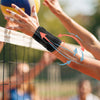
Decode Your Elbow Pain: Unexpected Triggers of Tennis & Golfer's Elbow + Smart Solutions

As Memorial Day weekend approaches, many of us are gearing up for the unofficial start of summer. Whether you’re planning a backyard BBQ, hitting the local courts for a pickleball tournament, or finally tackling that ambitious gardening project, your arms are about to get a workout. But for many, this increase in activity comes with an uninvited guest: a persistent, nagging ache in the elbow.
Often, we assume that "tennis elbow" or "golfer's elbow" only affects professional athletes. In reality, these conditions are common among DIY enthusiasts, office professionals, and weekend warriors alike. Understanding the specific biomechanical triggers can help you enjoy your holiday festivities without the sting of injury.
Understanding the "Elbow Duo": Lateral vs. Medial Stress
Before diving into the triggers, it’s important to understand what is actually happening inside your arm. Both conditions are forms of epicondylitis—a fancy term for irritation where the tendons attach to the bone in your elbow.
- Tennis Elbow (Lateral Epicondylitis): This occurs on the outside of the elbow. It’s caused by repetitive contraction of the forearm muscles used to extend and raise your hand and wrist.
- Golfer's Elbow (Medial Epicondylitis): This occurs on the inside of the elbow. It’s triggered by the muscles used to flex your wrist and fingers, usually during gripping or swinging.
While the names suggest sports, the actual cause is often a "micro-trauma" sequence. Small tears develop in the tendon from repetitive stress, and if the body doesn't have enough time to repair them, the area becomes chronically sensitive.

Common Activity Triggers: Beyond the Court and the Green
Many people searching for an image of tennis elbow are surprised to find that their symptoms match, even if they've never picked up a racquet. Let’s break down the mechanics of the most common triggers.
1. Racquet and Club Sports
In tennis or pickleball, the "backhand" is the primary culprit for lateral pain. If your technique involves a "flick" of the wrist rather than a full-arm movement, the tendons on the outside of your elbow take the brunt of the impact. In golf, a "fat" shot—hitting the ground before the ball—sends a massive vibration up the shaft into the medial tendon, leading to the inner elbow pain known as golfer's elbow.
2. The Weight Room
Fitness enthusiasts often encounter these issues during "pulling" or "curling" movements. For example, what weight lifting exercises can i do with tennis elbow is a common question because heavy bicep curls or rows require an intense, sustained grip. This constant tension can overwhelm the forearm muscles, leading to strain at the elbow attachment points.
3. Occupational Tasks and Modern Tech
You don't need to be an athlete to experience these strains. Repetitive clicking and typing with "hovering" wrists can cause chronic low-level tension in the extensors. Similarly, manual labor involving screwdrivers, hammers, or heavy painting requires constant gripping and twisting, which are prime triggers for medial irritation. Even gardening—pulling stubborn weeds or using heavy shears—can act as a significant trigger.

The Risk Formula: Intensity vs. Duration
Why does your elbow hurt after one hour of gardening but not after eight hours of typing? It comes down to the relationship between force and frequency.
- High-Intensity, Short Duration: This is typical of sports or heavy lifting. A single high-force event (like a hard serve or a heavy deadlift) can cause immediate micro-tears.
- Low-Intensity, Long Duration: This is common in office work or hobbyist activities like knitting. While the force is low, the sheer volume of repetitions prevents the tendon from recovering, leading to a slow-burn injury.
When these two intersect—such as a weekend spent power-washing the driveway for six hours—the risk of developing epicondylitis skyrockets.
Prevention and Mechanical Adjustments
Preventing elbow pain starts with awareness of your form. If you are already feeling a "twinge," it's a sign that your mechanics need a tweak. For those seeking golfers elbow relief, the focus should be on reducing grip tension and ensuring your movements originate from the shoulder and core rather than just the wrist.
Ergonomic Checklist:
- For the Office: Ensure your wrists are in a neutral position (not tilted up or down) while typing.
- For the Gym: Consider what upper body exercises can i do with tennis elbow and swap out movements that require a "death grip" for those with a more open palm.
- For the Garden: Use tools with padded, larger handles to reduce the amount of squeeze required.

Frequently Asked Questions About Elbow Pain
What is the difference between Tennis Elbow (Lateral Epicondylitis) and Golfer's Elbow (Medial Epicondylitis)?
While both are forms of epicondylitis, Tennis Elbow affects the outside of the elbow, caused by repetitive motions that extend the wrist and hand. Golfer's Elbow, conversely, impacts the inside of the elbow, triggered by muscles used for gripping and wrist/finger flexion. Understanding this distinction is key to identifying the specific tendons under stress.
What common activities, besides sports, can trigger these elbow conditions?
Many daily activities can lead to elbow pain. These include repetitive tasks in office work (like constant typing with hovering wrists), manual labor requiring gripping and twisting (e.g., using screwdrivers, hammers, or painting), and even gardening (pulling weeds, using heavy shears). The key factor is often repetitive stress, whether high-intensity or low-intensity over long durations.
Can I continue to exercise or engage in activities if I have elbow pain?
It's often possible to stay active, but modifications are crucial. You should avoid movements that intensely stress the affected elbow tendons, such as heavy "pull" movements or exercises requiring a strong, sustained grip. Focus on lower-body, core, or upper-body exercises that minimize direct elbow strain. Consulting with a professional for guidance on proper form and activity adjustments is highly recommended. Light support, like a compression sleeve, can offer warmth and mild support during gentle activity, as knowing do compression sleeves help tennis elbow is a common concern.
Is my elbow pain simply inflammation, or could it be something else?
While acute injuries might involve inflammation (tendinitis), most chronic elbow pain, especially in conditions like Tennis or Golfer's Elbow, is actually tendinosis. This refers to a degeneration of the tendon fibers rather than active inflammation. This is why rest alone often isn't sufficient for healing; the tendon typically requires a structured, gradual loading program to recover properly. Support options, like specialized elbow support devices, can aid in managing discomfort during this recovery phase.
How do I choose the right type of support, such as a strap or a sleeve, for my elbow?
The choice depends on your specific needs. Straps, often called counterforce supports, are designed to create a new anchor point below the elbow, effectively "offloading" the stressed tendon. Sleeves, on the other hand, provide general compression, warmth, and increased circulation to the entire elbow area, offering mild support. Understanding the difference between a tennis elbow support strap vs compression sleeve, and even a golfer's elbow support strap vs tennis elbow support strap will help you select the most appropriate device to target your discomfort effectively. For a range of options, consider exploring available tennis elbow support products.
Moving Forward: Support Your Recovery
Recognizing your personal activity triggers is the first step toward a pain-free season. Whether it's adjusting your golf swing or improving your desk setup, small changes make a big difference.
If you're beginning to notice that "Memorial Day ache," now is the time to assess your intensity and duration. For some, a simple ergonomic shift is enough. For others, exploring specialized support like a high-quality tennis elbow brace can provide the necessary stability to keep you active. Stay mindful of your movements, and your elbows will thank you long after the holiday weekend is over.