Tennis Elbow
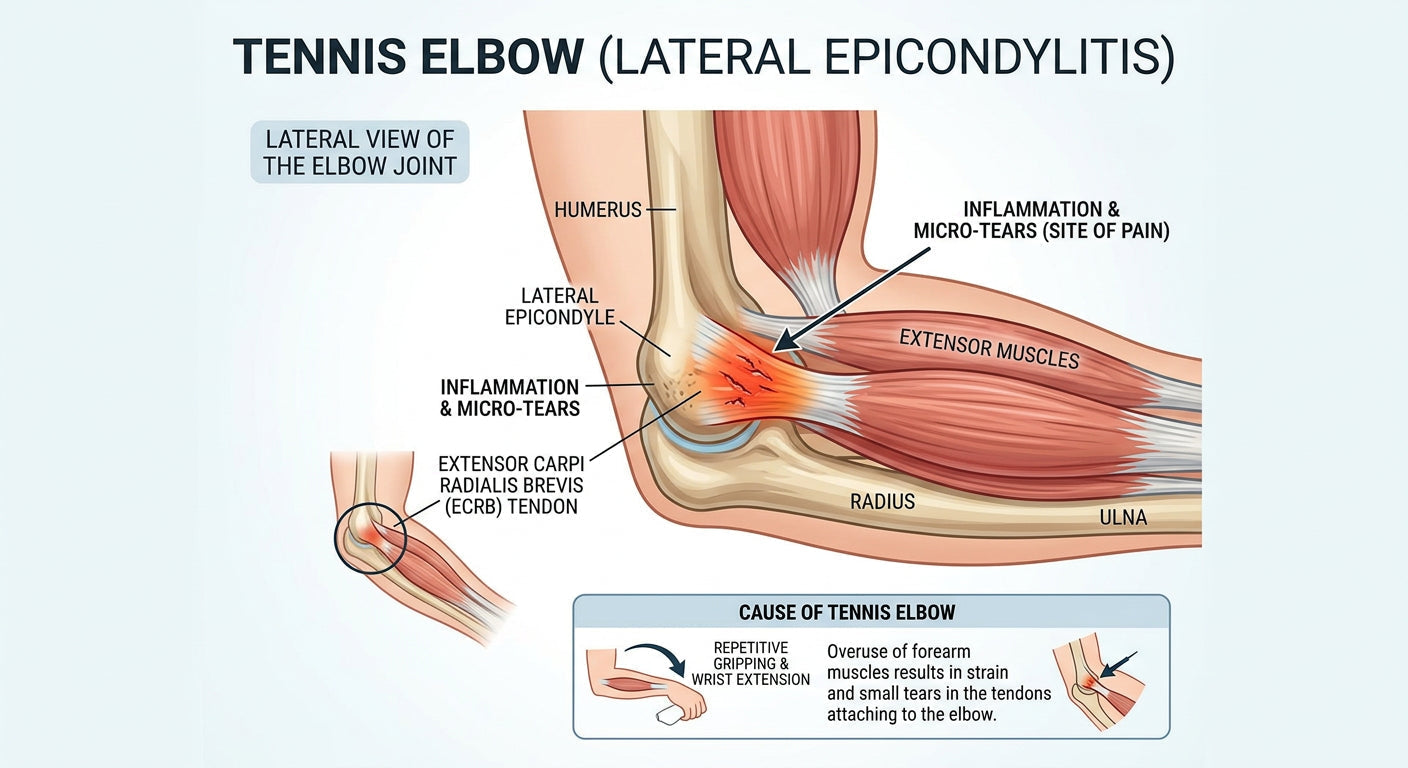
Tennis elbow, medically known as lateral epicondylitis, is a common condition characterized by pain on the outside of the elbow. People often confuse it with golfer's elbow, which causes pain on the inner side of the elbow. Despite its name, you don't have to play tennis to develop this condition. It affects a wide range of people, from athletes to office workers, because of repetitive wrist and arm motions.
What is Tennis Elbow?
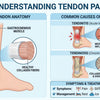
Tennis elbow occurs when the tendons that join the forearm muscles to the outside of the elbow become inflamed and develop tiny tears. These forearm muscles and tendons extend your wrist and fingers. When you overuse them, micro-tears can form where the tendon attaches to the bony bump on the outside of your elbow (the lateral epicondyle). This causes pain and tenderness, often making everyday activities difficult.
Causes of Tennis Elbow
The primary cause of tennis elbow is overuse and repetitive strain on the forearm muscles. This can stem from various activities, including:
- Sports: While tennis is famously associated, other racket sports, golf, and throwing sports can also contribute. Improper technique in these activities significantly increases risk.
- Occupations: Professions that require repetitive wrist and arm movements, such as carpentry, plumbing, painting, gardening, butchering, and even prolonged computer mouse use, are common culprits.
- Hobbies: Activities like knitting, gardening, or playing certain musical instruments if performed excessively or with poor form.
- Sudden Increase in Activity: Attempting too much physical activity too quickly without proper conditioning can also strain these tendons.
Recognizing the Symptoms
Tennis elbow symptoms usually develop gradually and worsen over time. They typically include:
- Pain or burning on the outer part of your elbow.
- Weak grip strength.
- Pain that radiates from the outside of your elbow down into your forearm and wrist.
- Increased pain with activities that involve gripping, lifting, or extending your wrist, such as turning a doorknob, holding a cup, or shaking hands.
- Tenderness when touching the outside of the elbow.
Diagnosis
A healthcare professional can typically diagnose tennis elbow through a physical exam and a review of your medical history. They will assess tenderness around your lateral epicondyle and perform specific tests to evaluate pain when you move your wrist and elbow in certain ways. Imaging tests, such as X-rays or MRI, are usually not necessary but may be used to rule out other conditions.
Navigating Your Recovery Journey
Recovery from tennis elbow often involves a multi-faceted approach that focuses on conservative care to ease pain, promote healing, and restore function. The journey can range from simple rest to more involved therapies, depending on the severity and chronicity of your condition.

Conservative Treatment Options
Most people with tennis elbow improve with non-surgical treatments. These include:
- Rest: The most crucial first step is to avoid activities that aggravate your symptoms. This allows the injured tendons to begin healing.
- Ice/Cold Therapy: Applying ice packs to the affected area for 15-20 minutes several times a day can help reduce pain and inflammation.
- Over-the-Counter Pain Relief: Non-steroidal anti-inflammatory drugs (NSAIDs) can help manage pain and reduce inflammation. Always follow dosage instructions.
-
Physical Therapy: A therapist-designed exercise program can be highly effective. This typically includes:
- Stretching: Gentle stretches for the wrist and forearm muscles to improve flexibility.
- Strengthening Exercises: Gradually strengthening the forearm muscles, often focusing on eccentric exercises (where the muscle lengthens under tension).
- Massage: Deep-tissue massage may help relieve muscle tightness and promote blood flow.
- Supportive Devices: An elbow strap or brace can provide support and reduce strain on the affected tendons during activity. It's helpful to understand the difference between a tennis elbow brace and a compression sleeve to choose the most suitable option for your needs. A common option is a counterforce brace, which applies pressure to the forearm muscle below the elbow, redistributing the force away from the injured tendon attachment. Many people also wonder: Do compression sleeves help tennis elbow? While they offer warmth and mild compression, they're less effective than a specialized strap. For those looking for the best elbow brace for tendonitis, consider comfort, adjustability, and support level. You can explore a range of supportive elbow products to relieve pain.
Surgery is rarely needed for tennis elbow, typically considered only after 6-12 months of failed conservative treatments.
Prevention Tips
Preventing tennis elbow often involves making adjustments to how you perform daily activities and ensuring proper physical conditioning:
- Proper Technique: Whether in sports or at work, ensure you use correct form. Seek coaching or ergonomic assessments if necessary.
- Warm-up and Stretch: Prepare your muscles and tendons before strenuous activity.
- Gradual Increase in Activity: Avoid sudden increases in intensity or duration of repetitive tasks. Build up strength and endurance gradually.
- Ergonomics: Adjust your workstation, tools, or equipment to minimize strain on your elbow and wrist.
- Strengthening: Strengthen your forearm muscles regularly to build resilience.
When to Seek Professional Guidance
It's important to consult with a healthcare professional if:
- Your pain is severe and persistent.
- Your symptoms do not improve after a few weeks of rest and self-care.
- You experience numbness or tingling in your arm or hand.
- You find it difficult to do daily tasks because of pain or weakness.
Seeking timely recommendations from doctors for tennis elbow support and treatment can significantly improve your outcome. While some may look for counterforce brace alternatives for comfort, understanding the various options and seeking expert advice is paramount. You might consider supportive options in collections like these elbow support solutions for pain.
-
Posted in
Elbow injury