Decode Your Back Pain: Posture vs. Activity & The Right Support for Lasting Relief
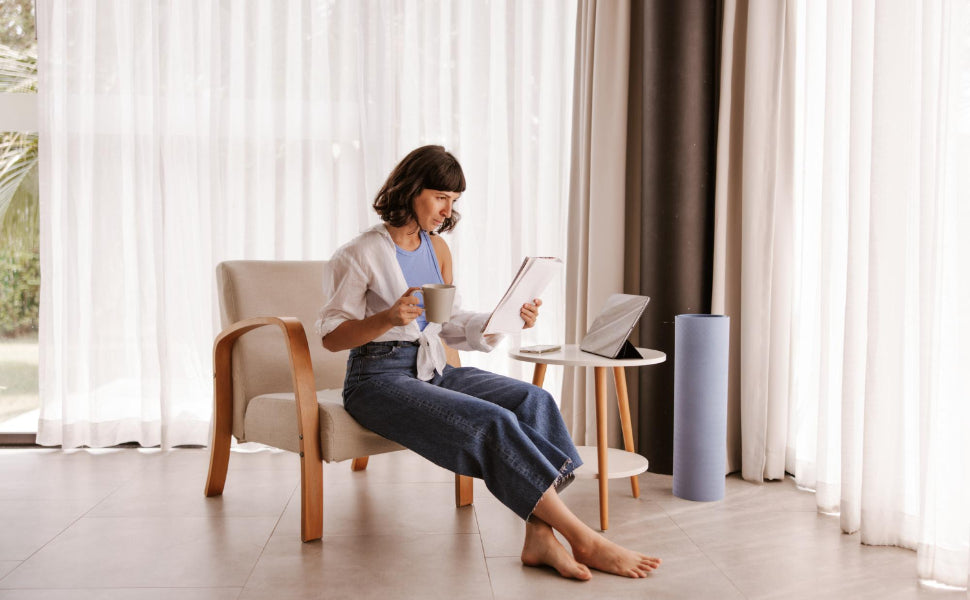
Picture this: it's a beautiful summer morning, and with the 4th of July holiday just weeks away, you're looking forward to getting the yard ready for a barbecue or maybe playing a pickup game with family. You bend down to tie your shoes, or perhaps you've just been sitting at your patio table planning the menu, and there it is—that familiar, nagging ache in your back.
Feeling back pain but not sure why? You are not alone.
While the discomfort feels very real, treating all back pain the same way is a common mistake. Discovering how to identify the root cause of your pain—whether it stems from daily posture habits or specific physical activities—is the essential first step to finding real relief and choosing the right support.
The Root of the Problem: Why Knowing the Difference Matters
When your back hurts, your instinct might be to stop moving entirely or to immediately buy a heavy-duty compression belt. However, if your pain is caused by poor sitting habits at your desk, excessive rest will actually make you stiffer. Conversely, if you tweaked a muscle during an aggressive tennis match, forcing yourself to stretch and push through it could worsen an acute injury.
Understanding the unique patterns of your body helps you answer critical questions, like how can poor posture result in back pain over time versus how a sudden movement triggers instant damage. Once you know the difference, you can accurately decide if you need gentle, all-day posture support or a robust performance solution.
Chapter 1: Decoding Posture-Related Back Pain
Posture-related back pain is the silent creep of the orthopedic world. It doesn't happen overnight; it is the result of chronic strain from sustained, poor alignment.
The Myth: You may have heard some claim that "posture cannot cause pain" because simply slouching doesn't acutely break or tear tissue. The Truth: While it doesn't cause immediate acute damage, poor posture forces muscles, ligaments, and discs to work in ways they weren't designed to. Over time, this creates chronic tissue strain, muscle imbalances, and eventual pain.
How It Feels:
- A Dull Ache: It rarely feels sharp or stabbing. Instead, it’s a diffuse, widespread stiffness.
- Gradual Onset: You can’t pinpoint the exact moment it started. It usually begins as minor fatigue that grows into a constant annoyance.
- Position Dependent: It heavily worsens with prolonged positions (like sitting at a computer or standing in one place for hours) and oddly improves when you get up and move around.
Chapter 2: Unmasking Activity-Related Back Pain
Activity-related back pain is the alarm bell of the body. It happens due to acute injury, localized overuse, or improper mechanics during movement. Whether you are lifting a heavy cooler for a summer picnic or performing a complex gym movement, an acute overload on your tissues triggers this pain.
How It Feels:
- Sudden and Sharp: Often described as a shooting, burning, or sudden stabbing sensation.
- Immediate Onset: You usually know exactly what you were doing when it happened (e.g., "I twisted to grab the lawnmower cord, and felt a pop").
- Localized: You can usually point to the exact spot that hurts with one finger.
- Movement Aggravated: It intensely worsens with specific movements, leading many to wonder does a lifting belt help with lower back pain to prevent these exact acute flare-ups in the future.
Chapter 3: Simple Self-Tests to Identify Your Pain
To help you decode the signals your body is sending, try these simple, at-home self-tests.

Test 1: The Movement Relief Test
When you are experiencing the pain, stand up, take a short walk, and do some gentle, pain-free stretching.
- Result A: If the pain eases up and your back feels "lubricated" and better, it is highly likely posture-related.
- Result B: If moving around makes the pain sharper or forces you to guard your back by limping or leaning, it is likely activity-related.
Test 2: The Timeline Audit
Think back over the last 48 hours.
- Result A: Did the pain slowly build up during a long car ride, a day at the desk, or after sleeping in a weird position? That points to posture-related pain.
- Result B: Did the pain start during a specific task, like moving furniture, serving a volleyball, or doing yard work? That points directly to activity-related pain.
The Crossroads: Matching Solutions to Your Pain Type
Identifying your pain type isn’t just a fun trivia exercise—it dictates the exact type of physical support and recovery protocol you need. Using the wrong tool for the job can prolong your discomfort.
For Posture-Related Pain: Daily Support Solutions
If chronic strain is your culprit, your primary goal is muscle retraining and ergonomic alignment. You don't need restricted mobility; you need gentle, constant reminders to maintain your form.
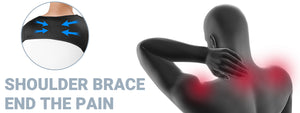
Integrating a reliable fivali back brace into your daily routine helps support your upper and lower back muscles, preventing the slouching that leads to ache. If you are specifically looking for a back brace to fix bad posture, opt for lightweight, breathable designs that can be worn comfortably under your clothes throughout the workday.
For Activity-Related Pain: Performance and Stability Solutions
If acute injury or movement overload is the issue, your body needs structural stability to heal and prevent re-injury during physical exertion.
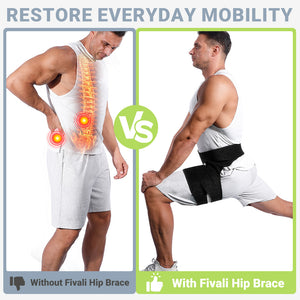
Think about it like sports gear: a basketball player wouldn't wear a thin, daily-use posture corrector on the court; they would look for a targeted, highly structured good knee brace for basketball to protect their joint during aggressive pivots. The same logic applies to your back. For activity-induced pain, you need firm, stabilizing back support solutions that limit dangerous ranges of motion, provide core compression, and protect vulnerable tissues while you lift, run, or engage in active summer hobbies.
Frequently Asked Questions (FAQ)
What is the key difference between posture-related and activity-related back pain?
Posture-related back pain typically manifests as a dull, widespread ache with gradual onset, worsening with prolonged positions and often improving with movement. It stems from chronic strain due to poor alignment. Activity-related back pain, however, is usually sudden, sharp, and localized, with an immediate onset linked to a specific movement or acute injury. It intensifies with movement, indicating an overload on tissues.
Can poor posture eventually cause an activity-related injury?
Absolutely. Chronic poor posture creates muscle imbalances—some muscles become incredibly tight while others grow weak. When you suddenly perform a strenuous activity, those weakened, unbalanced muscles are much more susceptible to acute tears and sprains, turning chronic postural issues into sudden activity-related injuries.
Should I rest completely if I have back pain?
It depends entirely on the type of pain. For acute, activity-related injuries, initial rest (24-48 hours) combined with ice can help calm inflammation and facilitate healing. However, for posture-related pain, prolonged bed rest is actually one of the worst things you can do, as it further stiffens muscles, weakens your core, and can prolong discomfort. Gentle movement is often beneficial for posture-related pain.
What type of support should I use for posture-related back pain versus activity-related pain?
For posture-related pain, focus on daily support solutions that promote muscle retraining and ergonomic alignment. Lightweight, breathable back support that can be worn comfortably under clothes throughout the day provides gentle, constant reminders to maintain proper form. For activity-related pain, your body needs structural stability. Opt for firm, stabilizing back support solutions that limit dangerous ranges of motion, provide core compression, and protect vulnerable tissues during physical exertion and active hobbies.
When should I seek professional medical advice for my back pain?
You should seek professional medical attention immediately if your back pain is accompanied by "red flag" symptoms. These include numbness or tingling traveling down your legs, a sudden loss of bowel or bladder control, pain accompanied by a fever, or pain resulting from a severe trauma (like a car accident).
Taking the Next Step
Understanding what your body is trying to tell you is empowering. By taking a few minutes to audit your symptoms and test your pain patterns, you transition from feeling helpless to being proactive about your recovery.
As you prepare for an active, healthy season ahead, remember that you don't have to live with discomfort. Whether you require a gentle nudge to sit up straighter at your desk or a robust layer of protection for your next big workout, identifying your unique needs is the key to unlocking a pain-free, active lifestyle.