Der quälende Schmerz im Ellenbogen? Es könnte mehr sein, als Sie denken

Haben Sie schon einmal morgens nach Ihrem Kaffee gegriffen und dabei ein Ziehen an der Außenseite Ihres Ellbogens gespürt? Oder bemerken Sie nach einem langen Tag am Computer oder einem Wochenende im Garten anhaltende Schmerzen? Man neigt leicht dazu, dies als einfache Zerrung abzutun, die sich schon wieder legt. Doch dieser quälende Schmerz könnte ein frühes Warnsignal Ihres Körpers sein und den Beginn einer häufigen, aber oft missverstandenen Erkrankung ankündigen: der lateralen Epicondylitis, besser bekannt als Tennisarm.
Und hier die erste Überraschung: Die meisten Menschen, denen das passiert, haben noch nie einen Tennisschläger in der Hand gehalten.
Diese Beschwerden betreffen Maler, Klempner, Köche, Büroangestellte und alle, deren Alltag mit wiederholten Greif- oder Handgelenksbewegungen verbunden ist. Zu verstehen, was genau im Arm vor sich geht, ist der erste Schritt, um zu verhindern, dass aus leichten Schmerzen ein größeres Problem wird.
Die wahre Geschichte: Was passiert in Ihrem Ellbogen?
Wenn man von einer Verletzung mit der Endung „-itis“ hört, wie zum Beispiel Tendinitis, denkt man wahrscheinlich an eine Entzündung – eine Art Alarmsignal des Körpers, das Schwellung und Reizung signalisiert. Jahrelang glaubten Experten, dass ein Tennisarm genau das sei. Doch wir wissen heute, dass dies nur ein kleiner Teil der Wahrheit ist, insbesondere wenn die Schmerzen chronisch werden.
Die präzisere Bezeichnung für das, was hier passiert, ist Tendinose.
Betrachten Sie es einmal so:
- Sehnenentzündung Es ist wie ein plötzliches, heißes Feuer (akute Entzündung). Es ist eine unmittelbare Reaktion auf eine Verletzung.
- Tendinose Es ist wie ein Seil, das durch ständige Beanspruchung langsam ausfranst (Degeneration). Es gibt kaum Entzündungen, nur geschwächtes, geschädigtes Gewebe.
Die laterale Epicondylitis ist in erster Linie eine Tendinose. Sie entsteht durch die Ansammlung von Mikrorissen in der Sehne des Musculus extensor carpi radialis brevis (ECRB), einem bestimmten Unterarmmuskel, genau dort, wo diese am Knochenvorsprung am äußeren Ellbogen (dem lateralen Epicondylus) ansetzt. Mit der Zeit überfordert diese winzige Verletzung die körpereigenen Reparaturmechanismen, was zu einer Schwächung der Sehne und den allzu bekannten Schmerzen führt.
Alltägliche Übeltäter: Die überraschenden Aktivitäten, die Mikroschäden verursachen
Da der Tennisarm eine Verschleißerscheinung ist, gehört er im Grunde zu den häufigsten Erkrankungen. Symptome einer ÜberlastungsverletzungEs ist kein einzelnes dramatisches Ereignis, sondern Tausende kleiner, scheinbar harmloser Bewegungen, die sich summieren. Diese Bewegungen lassen sich typischerweise in zwei Kategorien einteilen:
1. Wiederholtes oder kraftvolles Greifen
Jedes Mal, wenn Sie die Faust ballen oder einen Gegenstand greifen, beanspruchen Sie die Unterarmmuskeln, die Ihr Handgelenk strecken. Bei wiederholter oder kraftvoller Ausführung zieht diese Bewegung an der Sehne des Musculus extensor carpi radialis brevis (ECRB).
Häufige Auslöser:
- Mithilfe von Werkzeugen wie Schraubendrehern, Hämmern oder Farbrollen
- Umfangreiche Gartenarbeiten, Beschneiden oder Harken
- Schwere Einkaufstüten oder eine Aktentasche tragen
- Händeschütteln
- Kochtätigkeiten wie Schneiden und Rühren
2. Widerstand gegen die Handgelenksstreckung
Hierbei handelt es sich um jede Bewegung, bei der Sie Ihr Handgelenk gegen einen Widerstand nach oben beugen. Diese Bewegung belastet die Sehne des Musculus extensor carpi radialis brevis (ECRB) direkt an ihrem Ansatzpunkt am Ellbogen.
Häufige Auslöser:
- Längerer Gebrauch von Computermaus und Tastatur
- Gegenstände mit der Handfläche nach unten anheben (z. B. eine Bratpfanne)
- Sportarten, bei denen die Rückhand zum Einsatz kommt (Tennis, Badminton)
- Das Spielen von Musikinstrumenten wie Gitarre oder Violine
Spürst du es? Frühe Warnzeichen, die du nicht ignorieren solltest
Eine frühzeitige Erkennung des Tennisarms ist entscheidend. Werden diese Anzeichen ignoriert, verschlimmert sich die Mikroverletzung der Sehne, was die Genesung verlängert und erschwert.Achten Sie darauf, wenn Ihnen Folgendes auffällt:
- Ein heikler Punkt: Das klassischste Anzeichen ist Druckempfindlichkeit oder Schmerz, wenn man auf den Knochenvorsprung an der Außenseite des Ellbogens drückt.
- Schmerzen beim Greifen: Ein schwacher Griff oder ein stechender Schmerz beim Versuch, eine Tasse festzuhalten, einen Schlüssel umzudrehen oder ein Glas zu öffnen.
- Schmerzender Unterarm: Ein dumpfer, anhaltender Schmerz, der vom Ellbogen bis in die Unterarmmuskulatur ausstrahlt.
- Morgensteifigkeit: Ihr Ellbogen und Ihr Handgelenk können sich direkt nach dem Aufwachen steif und schmerzhaft anfühlen.
- Unbehagen bei der Erweiterung: Schmerzen, wenn man versucht, etwas mit der Handfläche nach unten anzuheben oder das Handgelenk nach hinten zu beugen.

Wichtig zu beachten ist, dass, wenn Ihre Schmerzen hauptsächlich an der Innenseite Ihres Ellbogens auftreten, möglicherweise eine andere Erkrankung im Zusammenhang mit dem medialen Epikondylus vorliegt, die gemeinhin als Golferellenbogen bekannt ist.
Was zu tun ist, wenn Sie die ersten Anzeichen bemerken
Wenn Ihnen eines dieser frühen Anzeichen bekannt vorkommt, geraten Sie nicht in Panik. Handeln Sie jetzt, um eine Verschlimmerung des Problems zu verhindern. Entscheidend ist die Entlastung – die Belastung der überlasteten Sehne des Musculus extensor carpi radialis brevis (ECRB) zu reduzieren, damit sie sich erholen kann.
Hier sind einige erste Schritte:
- Verändern, nicht aufhören: Völlige Ruhe ist selten die Lösung. Identifizieren Sie stattdessen die Auslöser und suchen Sie nach Möglichkeiten, diese zu verändern. Benutzen Sie zum Beispiel beide Hände, um einen schweren Topf anzuheben, machen Sie häufigere Pausen beim Tippen oder verwenden Sie ergonomische Hilfsmittel.
- Eis auflegen: Nach einer Aktivität, die Muskelkater verursacht, kann das Auflegen eines Eisbeutels auf die empfindliche Stelle für 15-20 Minuten helfen, die Beschwerden zu lindern.
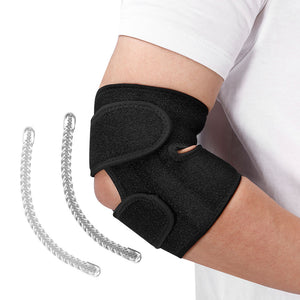
- Erwägen Sie Unterstützung: Hier kommen Stützvorrichtungen ins Spiel. Sie sind ein wichtiges Hilfsmittel zur Entlastung der Sehne. Die richtige Stütze zu finden ist ein entscheidender Bestandteil eines Genesungsplans, und ein Leitfaden dazu ist hilfreich. Tennisarmbandage Optionen können Ihnen bei der Auswahl helfen. Verschiedene Stile eignen sich für verschiedene Menschen, von einem einfachen Gegenkraftstrebe Dadurch wird der Zugwinkel auf die Sehne verändert, bis hin zu vollständigen Kompressionsmanschetten. Letztendlich geht es darum, die Die beste Ellenbogenbandage bei Sehnenentzündung Die Berücksichtigung Ihrer spezifischen Bedürfnisse kann einen erheblichen Einfluss auf Ihre Fähigkeit haben, schmerzfrei aktiv zu bleiben.
Häufig gestellte Fragen (FAQ)
Warum heißt es Tennisarm, wenn ich gar kein Tennis spiele?
Der Name leitet sich von der hohen Verletzungshäufigkeit bei frühen Tennisspielern aufgrund mangelhafter Rückhandtechnik ab. Forscher und Ärzte erkannten jedoch schnell, dass die Erkrankung aufgrund beruflicher und alltäglicher Aktivitäten in der Allgemeinbevölkerung weitaus häufiger vorkommt.
Verschwindet ein Tennisarm von selbst?
In sehr leichten Fällen kann sich der Zustand durch eine Anpassung der Aktivitäten verbessern. Ignoriert man jedoch die frühen Anzeichen, schreitet die Sehnendegeneration oft fort und führt zu chronischen Schmerzen, die deutlich schwerer zu behandeln sind. Vorbeugende Maßnahmen sind daher immer die beste Vorgehensweise.
Ist Wärme oder Eis besser gegen die anfänglichen Schmerzen?
In der Anfangsphase, insbesondere nach einer Belastung des Ellbogens, wird Eis zur Schmerzlinderung empfohlen. Wärme kann manchmal hilfreich sein, um steife Muskeln vor einer leichten Aktivität zu lockern, sollte aber bei sichtbaren Schwellungen nicht angewendet werden.
Kann ich weiter trainieren, wenn ich erste Anzeichen eines Tennisarms habe?
Ja, aber mit Vorsicht und angepassten Übungen. Vermeiden Sie Übungen, die direkt Schmerzen verursachen, wie z. B. schwere Bizepscurls oder Liegestütze. Konzentrieren Sie sich auf Übungen für Unterkörper und Rumpfmuskulatur und achten Sie bei Oberkörperübungen darauf, dass Ihre Ausführung die Handgelenkstrecker nicht belastet.
Ihr nächster Schritt: Von der Erkenntnis zur Handlung
Die wichtigste Erkenntnis ist, dass anhaltende Ellbogenschmerzen ein Zeichen für Überbeanspruchung und Mikroverletzungen der Sehne sind. Sie verstehen nun, dass es sich nicht um zufällige Schmerzen handelt, sondern um ein spezifisches Problem, das durch bestimmte Bewegungen verursacht wird.
Indem Sie die Anzeichen frühzeitig erkennen und einfache Maßnahmen ergreifen, um die überlastete Sehne zu entlasten, können Sie verhindern, dass sich eine kleine Unannehmlichkeit zu einem beeinträchtigenden Problem entwickelt. Sie sind nun mit dem Wissen ausgestattet, auf Ihren Körper zu hören und selbst aktiv zu werden, um so den Weg zu einem aktiven, gesunden und schmerzfreien Leben zu ebnen.