Choosing the Right Elbow Brace for Sleeping: Splint Sleeve Strap
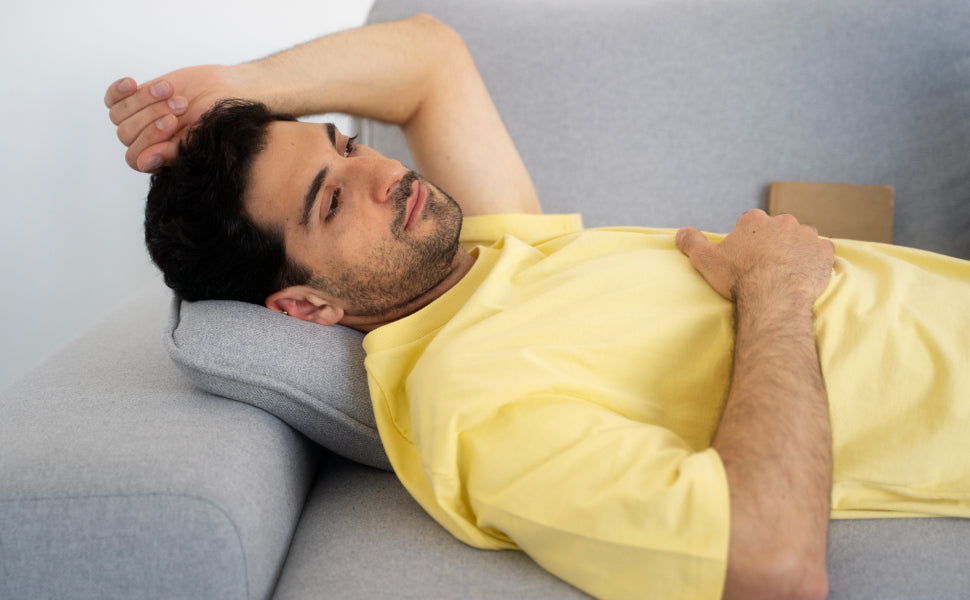
If you’ve ever woken up with a dead, tingling hand or a sharp ache radiating from your elbow, you already know that nighttime can be the most frustrating part of recovery. As we head into warmer weather and gear up for an active summer—along with upcoming Father’s Day weekend golf outings, tennis matches, and outdoor projects—uninterrupted sleep is absolutely critical. Your muscles and tendons simply cannot heal if pain wakes you up every two hours.
But dealing with overnight pain presents a unique challenge. You need reliable joint protection, but you also need to actually sleep comfortably. This leads many people to evaluate their options and ask: Which type of support actually works best in bed?
To help you make an informed decision, we are breaking down the clinical differences between splints, sleeves, and straps. By matching your specific symptoms with the right overnight features, you can finally reclaim your rest and wake up ready to stay active.
Deciphering Your Needs: Injury Severity, Comfort, and Sleep Habits
Before looking at specific materials or designs, we need to clarify what you are actually treating. The mechanical function of your nighttime support must match the physiological root cause of your pain.
If your pain primarily manifests as numbness, tingling, or a "pins and needles" sensation in your ring and pinky fingers, you are likely dealing with ulnar nerve entrapment (Cubital Tunnel Syndrome). When we sleep, most of us naturally curl our arms inward toward our chest. This fetal position heavily bends the elbow, pulling the ulnar nerve tight over the bone. For nerve compression, your primary goal is preventing flexion (bending).
Conversely, if you are struggling with a deep ache on the outside of the joint (tennis elbow) or the inside (golfer’s elbow), the root cause is tendon strain. Your nighttime goal shifts away from rigid immobilization. Instead, you need something that promotes blood flow, keeps the joint warm, and protects the tender area from awkward pressure points while you toss and turn.

Elbow Braces for Sleeping: Splint vs. Sleeve vs. Strap
When evaluating the market for overnight support, you will find three distinct categories. Understanding the strengths and limitations of each is the key to pain-free sleep.
Splints (Rigid Immobilization)
The Purpose: Splints are designed with internal rigid stays (often aluminum or hard plastic) that mechanically prevent you from bending your arm past a certain point.
Best For: Cubital Tunnel Syndrome, severe nerve compression, and post-operative recovery.
The Nighttime Experience: A dedicated brace to keep elbow straight while sleeping is your best defense against involuntary nerve compression. However, "straight" doesn't mean locked out completely. The most effective nighttime splints limit flexion to a comfortable 15-to-30-degree bend. This slight angle is highly effective at preventing the nerve from stretching without making you feel like your arm is stuck in a stiff pipe.
Sleeves (Compression & Mild Support)
The Purpose: Sleeves slide over the entire joint to provide gentle, 360-degree compression. They offer proprioception (increased joint awareness) and trap body heat.
Best For: Mild arthritis, general achiness, and maintaining warmth.
The Nighttime Experience: Using an elbow sleeve for pain at night is excellent for individuals who just need light support and warmth to ease stiff joints. They are highly flexible and far less bulky than splints. However, because they do not contain rigid stays, a sleeve will not stop you from curling your arm in your sleep, making them ineffective for severe ulnar nerve entrapment.
Straps (Targeted Pressure)
The Purpose: A strap sits just below the elbow crease, applying concentrated counter-force pressure to the specific tendon that connects to your forearm muscles.
Best For: Daytime management of tennis elbow or golfer's elbow.
The Nighttime Experience: Wearing an elbow pain strap to bed is generally less common. Because straps do not immobilize the joint or provide full-coverage warmth, their primary benefit (relieving load during active gripping and lifting) isn't utilized while you sleep. However, some find that a very loosely fitted strap provides a reassuring tactile reminder to avoid sleeping directly on the tender tendon.
Features to Prioritize for Overnight Comfort & Efficacy
Comfort dictates compliance. If your support gear is hot, itchy, or overly restrictive, you will subconsciously tear it off in the middle of the night. When evaluating your options, prioritize these specific design features:
- Breathability for Summer Nights: Look for moisture-wicking materials like heavily vented mesh, bamboo blends, or perforated neoprene. Trapped sweat leads to skin irritation and sleep disruption.
- Customizable Fit: A one-size-fits-all approach rarely works for sleep. An adjustable elbow brace with a reliable hook-and-loop strap system allows you to loosen the tension just enough for overnight blood flow while maintaining structural support.
- Plush Padding: If you are a side sleeper, the bony prominence of your elbow will press directly into the mattress. Ensure your chosen support features soft foam or gel cushioning right over the joint to absorb mattress pressure.
- Low-Profile Design: Bulky equipment catches on blankets and disturbs partners. Prioritize streamlined, form-fitting designs that sit closely against the skin.
Navigating the Night: Expert Tips for Sleeping with an Elbow Brace
Even with the perfect product, adjusting to sleeping with hardware on your arm takes a few days.
First, consider your posture. Finding the best sleep position for cubital tunnel syndrome typically involves resting on your back with your affected arm elevated slightly on a soft pillow, keeping it relatively straight. If you are dealing with tendon strain, optimizing your sleeping position for tennis elbow means consciously avoiding laying directly on the outside of the affected arm, which cuts off vital blood circulation to the healing tendon.
Many active individuals naturally wonder, should i wear tennis elbow brace at night? If you are managing severe daytime inflammation, wearing a compression sleeve overnight can promote healing warmth, but a rigid splint is usually unnecessary unless your doctor specifically recommends it to prevent accidental bumps against the bedframe.
Finally, practice good hygiene. Wash your overnight gear regularly according to the manufacturer's instructions. Sweat and dead skin cells build up quickly, degrading the elasticity of the fabric and risking skin breakouts.
Frequently Asked Questions (FAQ)
Will wearing a rigid splint at night weaken my arm muscles?
No. Muscle atrophy occurs from prolonged daytime immobility over weeks or months. Wearing a splint for 6 to 8 hours while you are completely at rest simply prevents nerve aggravation; it does not degrade your functional muscle mass.
Should my overnight brace feel as tight as my daytime sports brace?
Absolutely not. Daytime gear is strapped tightly to handle the kinetic loads of lifting, swinging, or gripping. Overnight gear should be snug enough to stay in place, but loose enough that you can easily slide a finger under the edge of the fabric. If you wake up with a throbbing hand, your straps are too tight.
Can I just wrap my arm in a towel instead of buying a dedicated splint?
While a loosely taped towel is a common DIY trick for preventing elbow bending, it is incredibly bulky, traps intense heat, and almost always slips off by 2:00 AM. A dedicated, breathable splint designed for nighttime anatomy is far more reliable and comfortable.
Conclusion: Rest Easy, Recover Strong
Choosing the right nighttime elbow support is a pivotal step in your recovery journey. By clearly identifying whether you need the nerve-protecting rigidity of a splint, the soothing warmth of a compression sleeve, or the localized relief of a daytime strap, you eliminate the guesswork from your rehabilitation.
Evaluate your specific pain points, prioritize breathable and adjustable features, and commit to consistent overnight use. With the right support system in place, you can stop dreading bedtime, accelerate your natural healing process, and get back to the active, pain-free lifestyle you love.