Beyond the Boot: Your Guide to Confident Ankle Recovery & Lasting Stability with Fivali
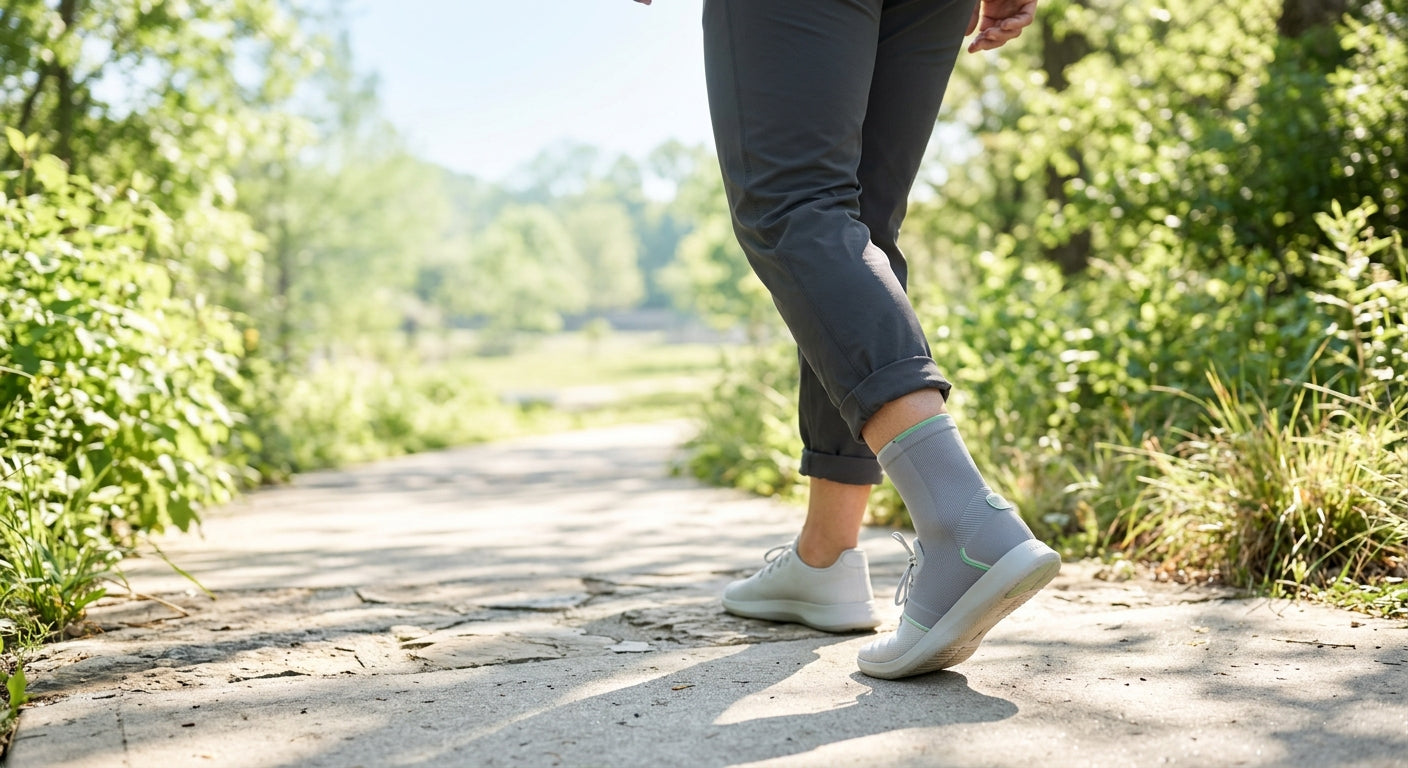
As Memorial Day approaches and the active summer season officially kicks off, there is nothing more frustrating than watching from the sidelines because of a healing ankle. If you are reading this, you have likely survived the worst of your injury. The initial sharp pain has dulled, and you are either preparing to leave your rigid immobilization gear behind or have recently taken those tentative first steps without it.
But now comes the most critical—and often most nerve-wracking—stage of your evaluation and recovery journey. You need a solution that bridges the gap between fragile healing and confident movement. You aren't just looking for basic support; you are looking for a reliable partner to help you safely reclaim your active lifestyle.
The Stages of Ankle Injury Recovery: From R.I.C.E. Protocol to Advanced Strengthening
To understand what support you need right now, it helps to see where you are in the broader picture of rehabilitation.
In the immediate aftermath of an injury, the standard R.I.C.E. protocol (Rest, Ice, Compression, Elevation) dictates your life. Your ankle needs strict immobilization to allow torn ligaments or fractured bones to knit back together. But as the acute phase ends, the rules of recovery change entirely.
Research paints a daunting picture of this transition period: 12% to 47% of all ankle sprains recur, and a previous sprain increases your risk of a future injury by 3.5 times. Without proper management, up to 40% of people develop chronic ankle instability.
Figuring out exactly when to stop wearing walking boot support is a decision you should make carefully with your healthcare provider. Once you get the green light, your joints and ligaments are technically healing, but they are incredibly weak. This is where Fivali enters your recovery timeline. You need graduated support that prevents rolling while allowing the vertical movement necessary for walking and physical therapy.
During this initial transition, you might still be wondering how long does a sprained ankle stay swollen. Lingering edema (swelling) can persist for months if not managed correctly. Studies show that graduated compression can reduce swelling by 30% to 40% compared with no support, making a compression ankle brace an invaluable tool for shortening your overall recovery timeline.
Phase 2: Active Strengthening and Rebuilding Your Proprioception
Healing is passive; rehabilitation is active. To protect yourself from becoming part of those high re-injury statistics, you must actively rebuild your ankle's internal defense mechanisms.
The Role of Proprioception in Ankle Stability and Preventing Re-Injury
Proprioception is your body's subconscious ability to sense its position in space. Before your injury, if you stepped on an uneven rock during a summer hike, your ankle's proprioceptive nerves would instantly signal your muscles to contract and stabilize the joint before you even realized what happened.
Ankle injuries damage these delicate nerve pathways. Your joint is left "blind," severely delaying your muscle reaction time and leaving you vulnerable to twisting it again.
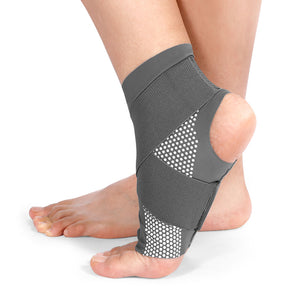
This is the scientific foundation behind Fivali's design. Our ankle brace compression socks offer optimal support and compression, supporting you at work, play, and in daily life during or after ankle injuries. By applying consistent, comfortable pressure around the joint, Fivali provides external proprioceptive feedback. The fabric physically stimulates the skin receptors around your ankle, artificially boosting your brain's awareness of the joint's position while the internal nerves heal.

Because Fivali uses specialized woven blends, you get the targeted stability of an ankle workout brace without the extreme rigidity that prevents calf raises, resistance band work, or balance board exercises. By allowing a safe range of natural motion, Fivali helps you execute the movements necessary if you want to know how to strengthen weak ankles correctly.
Phase 3: Evaluating Your Support Options for Daily Life
As you transition back into normal activities, you face an evaluation dilemma: What is the best way to protect your ankle long-term without compromising your comfort or footwear choices?

Why Fivali is the Ideal Rehabilitation Partner
While heavy lace-up and plastic-stay designs have their place in acute care, they are notoriously difficult to wear with standard summer shoes and can cause uncomfortable friction during prolonged use. Fivali is engineered specifically for the active rehabilitation phase.
- Scientifically Backed Compression: The graduated weave forces stagnant fluid up and away from the ankle, directly addressing the edema that causes joint stiffness.
- All-Day Comfort: Designed with high-quality, breathable, and moisture-wicking materials, you won't overheat. This is critical because patient adherence to braces drops significantly if the product is uncomfortable.
- Versatility: Whether you are looking for the best ankle brace for running once you are cleared for high-impact activities, or just need reliable stabilization for walking the dog, Fivali adapts to your lifestyle. We believe extra support for the ankle joint is crucial during recovery and physical activity after an injury, so we recommend wearing compression ankle socks.
Even for parents managing a child's recovery from a playground fracture, finding support that children will actually keep on is a challenge. Research indicates that using flexible, supportive braces rather than prolonged rigid casting can result in quicker functional recovery for minor pediatric ankle fractures. Fivali's gentle, anatomic fit offers that necessary reassurance for both parents and young athletes.
When to Consult a Physical Therapist for Comprehensive Ankle Rehabilitation
While premium support gear is essential, it does not replace professional medical guidance. You should consult a physical therapist if you experience any of the following during your transition period:
- Sharp, shooting pain that worsens with weight-bearing activities.
- A feeling that your ankle is "giving way" or buckling underneath you unexpectedly.
- Inability to regain a normal walking gait after a few weeks out of your boot.
- Swelling that continues to increase rather than decrease over time.
A physical therapist can assess your specific biomechanics, create a customized strengthening regimen, and advise you precisely on when to wear ankle support during particular phases of your prescribed exercises.
Frequently Asked Questions (FAQs) for Your Ankle Recovery Journey
-
When should I start using a Fivali ankle brace during my recovery?
You should begin using a Fivali ankle brace after the acute phase of your injury, once your healthcare provider clears you to transition out of rigid immobilization (like a walking boot). Fivali bridges the gap between fragile healing and confident movement, providing graduated support while allowing necessary physical therapy and walking. -
How does Fivali support help with swelling and overall recovery time?
Fivali's scientifically backed graduated compression helps reduce lingering edema (swelling) by forcing stagnant fluid up and away from the ankle. Studies show consistent compression can significantly reduce swelling, shorten your recovery timeline, and reduce joint stiffness. -
How does a Fivali compression sock improve ankle stability and prevent re-injury?
Ankle injuries can damage delicate proprioceptive nerve pathways, leaving your joint "blind" to its position and vulnerable to re-injury. Fivali's consistent, comfortable pressure provides external proprioceptive feedback, stimulating skin receptors around your ankle and artificially boosting your brain's awareness of the joint's position while internal nerves heal. This actively helps rebuild your ankle's internal defense mechanisms. -
Can I wear Fivali support with my regular shoes and during daily activities?
Absolutely. Fivali is engineered for all-day comfort using high-quality, breathable, and moisture-wicking materials to prevent overheating. Its low-profile, ergonomic design fits seamlessly inside standard sneakers, running shoes, and casual wear without uncomfortable bunching, making it ideal for support during work, play, and daily life. -
How does Fivali differ from traditional athletic taping for ankle support?
While athletic tape can lose up to 50% of its supportive strength within the first 20 minutes of activity due to sweat and movement, Fivali's dynamic fabric maintains consistent compression and proprioceptive feedback all day long. This provides sustained, breathable confidence and support without the constant need for re-taping. -
How long should I continue to wear Fivali support after my ankle feels healed?
The absence of pain does not necessarily mean the absence of vulnerability. Because ligaments take much longer to regain full tensile strength than it takes for pain to subside, experts typically recommend wearing supportive compression during physical activity for several months after injury to reduce the high risk of recurrence.
Step Confidently Into Your Active Lifestyle
Recovering from an ankle injury takes more than time; it takes a strategic approach to rebuilding strength and confidence. You do not have to let the fear of a misstep dictate your summer plans or keep you away from the activities you love.
By prioritizing your proprioceptive health, following structured rehabilitation exercises, and choosing a supportive partner that moves seamlessly with your body, you can safely bridge the gap between injury and full vitality. Discover how Fivali can support your return to an active, pain-free lifestyle today.