How long to wear a wrist brace after cast removal?
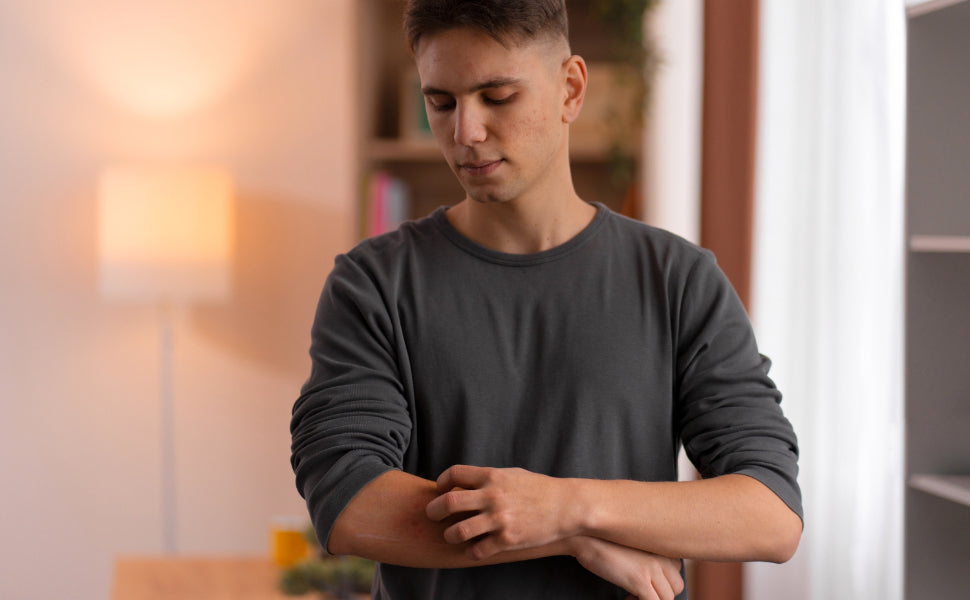
When a sports enthusiast finally gets a hard cast removed, the immediate sense of relief is often quickly replaced by a new uncertainty. Looking at a stiff, visibly weakened arm naturally brings up questions about how to protect the vulnerable joint without hindering recovery. Transitioning away from a rigid cast is a delicate phase where protecting healing tissues, controlling post-cast swelling, and progressively regaining function become the top priorities. The timelines and schedules provided below serve as practical, experience-based guidance for navigating this recovery stage; however, specific clinical supervision remains essential to accommodate varying injury types, severities, and surgical histories.
What the Wrist Brace Does After a Cast is Removed
Removing a cast does not mean the underlying tissues are completely ready for peak athletic loads. Transitioning to a supportive device bridges the gap between total immobilization and unprotected movement.
- Protection and Immobilization: The primary function is to prevent sudden, jerky movements that could re-injure fragile ligaments or healing bones.
- Compression for Swelling: Tissues often swell once the confined pressure of a cast is gone. The Fivali brace's close-fitting design helps drain excess fluid from the joint area.
- Proprioceptive Feedback: Wearing a support provides tactile feedback to the skin, constantly reminding the brain to be cautious with the injured limb.
- Gradual Return to Load: It allows for staged mechanical loading, letting the joint handle minor stresses before taking on full body weight or heavy equipment.
There are distinct categories of wrist braces that dictate how long and how often they should be worn:
- Rigid Splints: Offering high immobilization with metal or heavy plastic stays, these are utilized immediately post-cast or after surgical interventions.
- Semi-Rigid or Contoured Braces: These provide moderate protection. A wrist support brace for sprain often falls into this category, allowing slight movement while blocking extreme ranges of motion during the transition phase.
- Soft Compression Sleeves: Used for late-stage rehabilitation and injury prevention, offering mild support and swelling control without restricting mobility.
- Specialized Thumb Spica Braces: Required for thumb or scaphoid bone injuries that demand isolation of the thumb joints alongside the main wrist joint.
Factors That Determine the Duration of Brace Wear
There is no universal timeline for shedding a support device. The duration depends heavily on several interconnected factors.
- Nature of the Injury: A simple soft-tissue stretch heals much faster than a moderately torn ligament, a complex bone fracture, or a surgical repair with internal hardware.
- Time Spent in the Cast: Prolonged casting (e.g., 6–8 weeks for an unstable fracture) usually results in more severe muscle atrophy and stiffness, necessitating a longer transition period in a brace.
- Biological and Lifestyle Factors: Age, bone density, existing comorbidities like diabetes, and smoking status can significantly alter tissue regeneration rates.
- Post-Cast Symptoms: High pain levels, lingering tenderness, persistent edema, and feelings of joint instability will directly extend the required bracing period.
- Functional Activity Demands: Returning to a desk job requires far less prolonged protection than returning to heavy manual labor, gymnastics, or contact sports.
- Clinical Assessments: Recommendations from a physical therapist and findings from follow-up imaging (X-rays or MRIs) dictate the definitive pace of weaning.
Typical Experience-Based Timelines
The time spent relying on external support shifts based on the exact diagnosis. Below are practical ranges observed in sports-injury rehabilitation.
Minor and Moderate Injuries
- Minor Wrist Sprain: Typically requires 1–2 weeks of full-time wear, followed by 2–4 weeks of part-time use, eventually relying on the support only during high-risk athletic activities.
- Moderate Sprain: Utilizing a wrist brace for sprain usually spans 2–4 weeks of full-time wear. This transitions into 4–6 weeks of part-time use, particularly during gym sessions or manual tasks.
Severe Injuries and Repairs
- Severe Sprains and Soft-Tissue Repairs: These often require 4–6 weeks (or more) in a semi-rigid or rigid brace. A progressive, highly monitored weaning process then occurs over the subsequent 6–12 weeks.
- Fractures After Cast Removal: It is common to spend 4–6 weeks in a removable rigid splint after cast removal. Gradual reduction of wear time happens over an additional 4–8 weeks, strictly dependent on bone union confirmed via imaging.
- Post-Operative Recoveries: Surgical protocols vary widely but generally involve several weeks of strict immobilization followed by months of protective bracing during physical therapy and sport-specific training. Emphasizing variability and clinical check-ups is paramount here.
Practical Daily Wear Schedules
Transitioning out of a cast requires a structured daily routine rather than a random approach to wearing the support.
- Full-Time Protection Phase: "Full-time" generally means wearing the device during all waking hours, removing it strictly for prescribed rehabilitation exercises and daily hygiene (showering).
- Night Use: Wearing the device to bed is highly recommended in the early phases to prevent awkward sleeping postures that cause sharp pain. Once resting pain and instability subside, night use can typically be discontinued.
- Activity-Based Wear: As recovery progresses, the device is worn exclusively during strenuous periods—such as working out, lifting heavy boxes at work, or participating in recreational sports.
- Hygiene Protocols: The device must be removed before showering. The skin should be completely dried and inspected for pressure marks or abrasions before the support is reapplied.
Progressive Schedule for a Moderate Sprain
- Weeks 0–2: Rigid support worn full-time, excluding shower and approved gentle motion exercises.
- Weeks 3–6: Semi-rigid support worn during the day; transitioning to a soft sleeve at night if aching persists.
- Weeks 6–12: Support worn only during sports or heavy manual use, initiating a structured weaning process under clinical supervision.
Rehabilitation Phases and Device Role
The brace plays a dynamically changing role as the joint moves through the different stages of rehabilitation.
- Protection and Early Immobilization: Focuses entirely on preventing re-injury and creating a controlled environment for inflammation to recede.
- Controlled Mobilization: The support is temporarily removed to perform gentle Range of Motion (ROM) exercises, then immediately reapplied to block extreme, unsafe joint angles during rest.
- Strengthening and Proprioception: The device is initially worn during light resistance exercises for confidence. As muscular strength improves, reliance on the device is systematically reduced.
- Functional Return: For athletes, the support is worn during practice sessions and sport-specific drills. Return-to-play protocols utilize the device as a safeguard against unpredictable impacts.
- Weaning Strategy: This staged reduction in wear time is continuously adjusted based on objective feedback: pain levels, swelling fluctuations, and functional tests.
How to Tell When the Device is No Longer Needed
Shedding the support entirely should be a milestone based on objective physical benchmarks rather than simply running out of patience.
- Pain Management: Pain should be minimal or completely manageable without the device during standard daily tasks like driving, typing, or lifting light objects.
- Swelling Control: Post-activity swelling must be visibly reduced and easily managed with basic ice therapy.
- Range of Motion: The joint should demonstrate near-normal ROM when compared directly to the uninjured, contralateral side.
- Strength Benchmarks: Grip and wrist strength should reach at least 80–90% of the uninjured side, as verified by dynamometer testing.
- Functional Trials: The ability to execute job-specific or sport-specific movements during a supervised trial without acute pain, buckling, or mechanical instability.
- Safe Clinical Tests: Simple loading tests, such as weight-bearing through the palm or twisting against resistance, should be performed under professional supervision before abandoning the device entirely.
Risks of Overusing a Protective Device
While essential for early recovery, clinging to a support device for too long carries significant biomechanical and dermatological risks.
- Muscular Dependence: Excessive wear leads to rapid deconditioning of the forearm muscles, creating a weak joint that becomes reliant on external plastic and velcro.
- Joint Stiffness: Keeping the joint immobilized beyond the necessary healing window can result in permanent loss of extreme ranges of motion due to scar tissue adhesion.
- Dermatological Issues: Continuous wear traps sweat and dead skin, leading to contact dermatitis, pressure sores, or fungal infections if proper hygiene is neglected.
- Proprioceptive Delay: Long-term use dullurs the joint's natural neuromuscular feedback, making the athlete clumsier and more prone to future sprains.
- Mitigation Tactics: Schedule daily brace-free periods for isolated strengthening, conduct rigorous skin checks every evening, and maintain strict hygiene of the device liners.
Choosing the Right Protection After Cast Removal
Selecting the proper post-cast equipment is just as critical as the timeline for wearing it.
- Match Type to Recovery Stage: Opt for rigid stays immediately after the cast, semi-rigid contours for the transition weeks, and flexible compression sleeves for the late-stage return to sports.
- Fit and Comfort Profiles: The device must be snug to offer compression but never constrictive. A good rule of thumb is being able to comfortably slide one index finger under the main closure strap.
- Essential Features: Look for models with removable palmar splints (so the brace can downgrade in rigidity as you heal), specialized thumb stabilization if needed, and highly breathable, moisture-wicking materials.
- Sizing Protocols: Always measure the circumference of the joint at its widest point over the styloid processes. If dealing with bilateral options, ensure the exact fit for the left or right hand as contoured splints are side-specific.
- Custom Orthoses: If standard sizing causes pressure points due to extreme swelling or unique bone structure, request a custom-molded thermoplastic splint from an occupational therapist.
Practical Tips from a Senior Sports-Injury Perspective
Veterans of orthopedic rehabilitation know that small practical adjustments make the transition out of a cast infinitely more bearable.
- Manage Chafing: Always pack spare, thin cotton liners or tubular bandages to wear under the main straps. This prevents friction burns and absorbs sweat during physical therapy.
- Do Not Overprotect: Initiate gentle finger wiggling, basic grip squeezes, and slow wrist flexion/extension as soon as cleared by a therapist. Complete immobility breeds debilitating stiffness.
- Sleep Strategies: Utilizing the support at night during the first 2–4 weeks is crucial to prevent the painful jolts of rolling over awkwardly in bed. Reassess sleep wear once morning stiffness decreases.
- Return-to-Sport Caution: Never jump straight back into a full-contact match. Start with solo drills, progress to non-contact practice while heavily braced, and advance to full play over multiple weeks.
- Maintain Mental Patience: Rehabilitation is a jagged, non-linear path. Celebrate minor milestones, like holding a coffee cup pain-free, rather than stressing over the timeline to lift heavy weights.
Red Flags Requiring Clinical Attention
Not all pain during the post-cast phase is normal. Certain symptoms necessitate immediate re-evaluation by an orthopedic specialist.
- Vascular or Neurological Signs: Any new numbness, aggressive tingling, or fingers turning pale/blue indicates nerve compression or compromised blood flow.
- Worsening Instability: A distinct sensation of the bones shifting, slipping, or buckling when the support is taken off.
- Dermatological Emergencies: Blisters, open skin lesions, or spreading redness with heat underneath the straps, which may signal a developing infection.
- Mechanical Blocks: A sudden, sharp locking, catching, or clicking sensation that physically prevents the joint from moving through its available range.
- Radiographic Concerns: Any sudden spike in deep, aching bone pain that does not resolve with rest, potentially indicating a failure of bone fusion.
Cleaning and Care Guidelines
Maintaining the hygiene of the protective device prevents skin complications and extends the life of the supportive materials.
- Daily Skin Inspections: Check the forearm and palm every evening for red pressure points that do not fade within 15 minutes of removal.
- Washing Protocols: Hand-wash the main sleeves and straps using mild, non-scented soap. Never use harsh detergents or bleach.
- Drying Methods: Always air-dry the equipment completely. Avoid direct heat sources like hair dryers, radiators, or tumble dryers, as high heat warps thermoplastic stays and degrades velcro.
- Rotation System: If heavy sweating is unavoidable during athletic recovery, rotate between two identical devices or swappable internal liners to ensure one is always clean and dry.
Example Rehabilitation Program
This sample progression outlines how wear-time and exercises intersect. Actual regimens must be highly individualized.
Early Phase (Weeks 0–2 Post-Cast)
- Device Status: Worn full-time, removed only for supervised exercises and bathing.
- Focus: Edema control through elevation and compression.
- Exercises: Active finger range of motion, gentle passive wrist flexion and extension to the edge of discomfort, and sub-maximal isometric holds.
Mid Phase (Weeks 2–6)
- Device Status: Transitioning to daytime semi-rigid wear, potentially removing at night if comfortable.
- Focus: Restoring active range of motion and baseline stability.
- Exercises: Active ROM without the splint, light resistance band work, putty grip squeezes, and proprioception drills (like balancing a lightweight ball on the palm) performed with the support on.
Late Phase (Weeks 6+)
- Device Status: Soft sleeve or tape used only during demanding sports or heavy lifting; active weaning process underway for daily life.
- Focus: Maximum strength, power, and sport-specific biomechanics.
- Exercises: Heavy resisted strengthening, weight-bearing planks, plyometric wall passes, and progressive return-to-play drills.
Summary and Key Takeaways
- Highly Variable Timelines: The transition can last anywhere from 2 weeks for a minor sprain to over 12 weeks for complex fractures and surgical repairs.
- Clinical Alignment is Vital: Always align your weaning strategy with orthopedic guidelines and physical therapy milestones.
- Gradual Weaning: Transition progressively from rigid full-time wear, to semi-rigid activity-based wear, down to soft compression sleeves.
- Balance Protection and Strength: Prolonged immobilization causes atrophy; safely timed removals for therapeutic strengthening are mandatory for a full recovery.
- Monitor Red Flags: Never ignore neurological symptoms, worsening instability, or severe skin abrasions.
Frequently Asked Questions
1. How long do I have to wear a wrist brace after my cast comes off?
It heavily depends on the injury. Ranges span from 2–4 weeks for moderate sprains to several months for severe fractures or soft-tissue repairs. Consult your treating clinician for an exact timeframe based on imaging.
2. Should I wear the brace to bed?
In the early post-cast stage, yes. It prevents painful, uncontrolled movements while asleep. Once the joint is stable and resting pain resolves (usually after a few weeks), night wear can typically be discontinued.
3. Can I remove the brace to exercise my wrist?
Yes, but only under a structured therapeutic plan. Most rehabilitation protocols require supervised removal for targeted range of motion and isometric strengthening exercises to prevent debilitating stiffness.
4. Will wearing a wrist brace weaken my wrist?
If used as a permanent crutch without complementary physical therapy, yes, it will cause muscle atrophy. However, if used as part of a progressive weaning and strengthening program, it facilitates a safer, stronger recovery.
5. Can I drive with the brace on?
Light, flexible sleeves generally allow for safe driving, but rigid immobilizers with metal palmar stays often impede safe steering mechanics. Check local legal guidelines and confirm biomechanical safety with a clinician before getting behind the wheel.
6. When can I return to sport and do I need the brace then?
Returning to sport is a staged progression. Most athletes use specific protective taping or flexible braces during the first several weeks or months of their return to safeguard against sudden, unpredictable impacts.
7. How do I know if my wrist is healed enough to stop the brace entirely?
You should achieve pain-free daily function, manageable swelling, near-normal range of motion, at least 80% grip strength compared to the healthy side, and explicit clinical confirmation (often via X-ray for fractures).
8. How often should I clean my brace and how?
Inspect the interior daily for sweat buildup. Hand-wash removable liners or the entire soft sleeve weekly with mild soap, and air-dry completely. Replace the unit or liners if they become permanently soiled or retain odors.
9. Is a soft compression sleeve enough after cast removal?
Usually not immediately. Soft sleeves offer minimal structural stability. They are highly appropriate for the late stages of recovery or for very mild strains, but early post-cast phases typically require rigid or semi-rigid stabilization.
10. What if my wrist still hurts a lot after cast removal even with the brace?
Contact your treating specialist immediately. Severe, intractable pain may indicate poor bone healing, undiagnosed ligamentous damage, an ill-fitting support device, or a need to dramatically modify your rehabilitation exercises.
Appendix and Resources
Sample Checklist for Orthopedic Follow-Up Appointments:
- Average daily pain level (1-10 scale) at rest and during movement.
- Exact hours per day the support is currently being worn.
- Specific daily activities or work tasks that trigger sharp pain.
- Photographs or notes of any skin redness or irritation.
Printable Wean Plan Template:
- Week 1-2 Goals: Full-time wear; remove 3x daily for gentle ROM; pain kept under 4/10.
- Week 3-4 Goals: Remove for 2 hours daily during sedentary tasks; discontinue night wear if pain-free; begin light resistance.
- Week 5-6 Goals: Wear only when out of the house or during exertion; transition to flexible sleeve.
When to Request Custom Orthotics:
If standard off-the-shelf options cause numbness, fail to accommodate severe swelling fluctuations, or do not secure complex thumb/wrist instability, a referral to a certified hand therapist for a custom-molded thermoplastic orthosis is necessary.
The timelines, exercise examples, and progression criteria provided in this document are for educational and practical preparation purposes. They do not supersede individualized protocols provided by licensed orthopedic specialists or physiotherapists.