Choosing the Best Volleyball Thumb Brace Flexi Support vs Rigid Stability
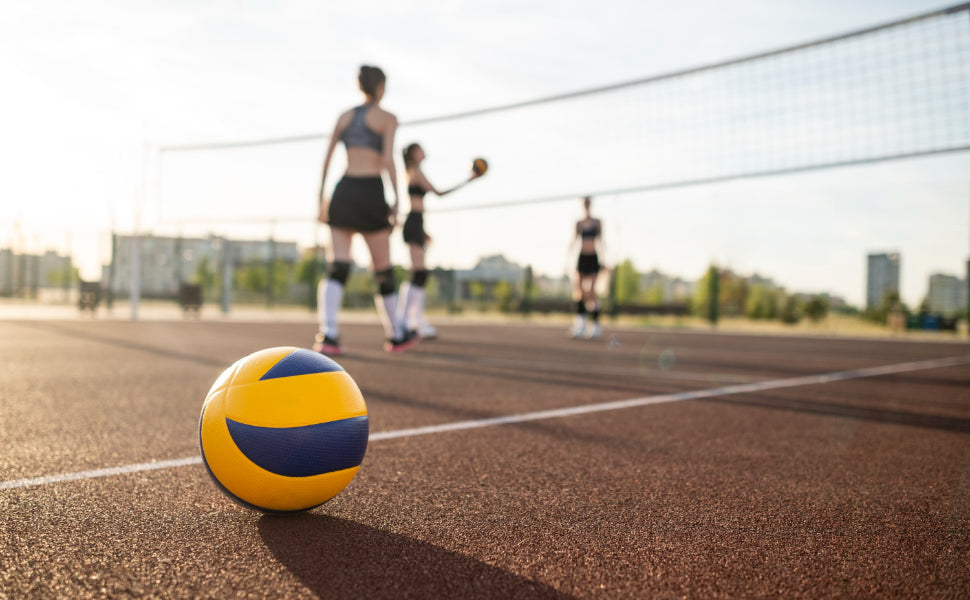
As Memorial Day weekend approaches, kicking off the intense summer volleyball tournament season, the last thing you want is an injury pulling you off the court or out of the sand. Whether you are setting a heavy ball, penetrating the net for a block, or diving for a dig, your hands are your most critical tools. When a spike bends your thumb awkwardly backward, the immediate pain brings up a crucial question: What kind of support do you actually need to get back in the game?
If you are currently evaluating your options, you have likely realized that not all supports are created equal. You are essentially choosing between two primary categories: flexible compression sleeves that allow for movement, and rigid splint braces designed to lock the joint down.
Making the wrong choice can either leave your thumb vulnerable to re-injury or unnecessarily restrict your natural playing mechanics. Let's break down exactly how to evaluate your specific needs so you can choose the right support to keep you active and pain-free.
Understanding Thumb Injuries in Volleyball: Why Your Hand is at Risk
To make an informed decision about your gear, you first need to understand what you are protecting against. The anatomy of the thumb joint makes it uniquely prone to volleyball-related injuries.
At the base of your thumb lies the Ulnar Collateral Ligament (UCL). When you go up for a block and the ball aggressively forces your thumb away from your hand, it places immense stress on this exact ligament. This mechanism—known as hyperextension—is the leading cause of thumb sprains on the court.
Understanding the severity of a thumb sprain helps dictate your recovery timeline and your equipment needs:
- Grade 1 (Mild Sprain): The ligament is stretched but not torn. You will feel soreness and stiffness, but joint stability remains intact. Recovery usually takes a few days to a couple of weeks, making lightweight support ideal.
- Grade 2 (Moderate Sprain): Partial tearing of the ligament. You will experience noticeable pain, swelling, and mild joint instability. This requires a transition from moderate immobilization back to active support as you heal.
- Grade 3 (Severe Sprain): A complete tear of the ligament, leading to significant joint instability. This requires strict immobilization and often physical therapy before returning to play.
For those wondering how to tape thumb for volleyball versus wearing a brace, keep in mind that tape loosens significantly as you sweat. A dedicated brace maintains consistent structural integrity from the first serve to match point.
The Core Dilemma: Flexi-Support vs. Rigid Stability
The evaluation process comes down to balancing mobility against protection. If you wear a support that is too rigid for a mild tweak, your setting hands will feel clunky and slow. If you wear a thin compression sleeve over a partially torn ligament, a single hard block could sideline you for the entire season.
This is the exact problem we solve at Fivali. Since 2014, we have engineered our sports protection gear to match the specific recovery and performance stages of athletes. Choosing between flexible and rigid support means matching your current physical condition to the mechanics of the brace.
Flexible Compression Sleeves: Agility Meets Mild Support
Flexible compression focuses on stabilizing the joint through snug, elastic pressure rather than hard plastic or metal.
The role of compression in sports injury prevention and expedited recovery cannot be overstated. By providing constant, gentle pressure, compression improves localized blood flow. This keeps the muscles and tendons warm, reducing stiffness and promoting faster healing of micro-tears. It also enhances proprioception—your brain's awareness of where your thumb is in space—which subconsciously helps you avoid awkward hand placements during fast-paced rallies.
Who it's for:
- Players looking to prevent injuries during high-risk activities
- Athletes recovering from Grade 1 (mild) sprains
- Players managing chronic, dull joint soreness from repetitive setting
- Those transitioning out of a rigid splint who want to retain a sense of security
The Solution in Action: For flexible, preventative support, the Fivali Hand Wrist Brace with Lightweight and Breathable Fabric is engineered to slip seamlessly into your game. It provides targeted compression without bulk, allowing you to maintain the tactile feedback necessary for a perfect float serve or a precise set.
Rigid Stability Braces: Maximum Protection for Serious Support
When you are dealing with a more significant injury or are in the early stages of post-injury recovery, compression alone isn't enough. You need structural reinforcement to prevent the thumb from bending backward or sideways. Rigid braces utilize built-in stays—often made of lightweight metal or hardened plastic—to physically block dangerous ranges of motion.
If you are figuring out how to wrap a sprained thumb after a nasty block, a rigid brace provides the absolute immobilization needed for the ligament to scar down and heal properly.
Who it's for:
- Players managing Grade 2 or Grade 3 sprains
- Athletes who recently experienced severe hyperextension
- Post-injury recovery where preventing re-injury is the absolute highest priority
The Solution in Action:If you need top-tier stability, our fivali thumb spica brace incorporates an innovative fishbone splint. This design mimics the natural structure of the hand, providing heavy-duty immobilization while remaining remarkably lightweight. Alternatively, the Fivali Thumb Splint Brace (FWR02) offers highly adjustable straps for a customized, rigid fit that locks the joint in a safe, neutral position.
The Evaluation Matrix: Flexi-Support vs. Rigid Stability
Use this framework to instantly align your current situation with the correct support profile.
| Evaluation Criteria | Flexible Compression (e.g., Fivali Hand Wrist Brace) | Rigid Stability (e.g., Fivali Thumb Spica) |
|---|---|---|
| Primary Goal | Prevention, warmth, and mild support | Post-injury recovery and complete stabilization |
| Injury Severity | Grade 1 sprains, general soreness | Grade 2 to Grade 3 sprains, major hyperextension |
| Mobility Level | High – Allows for setting, spiking, and serving | Low – Immobilizes the thumb to prevent movement |
| Ideal Court Role | Setters and Defensive Specialists | Hitters and Blockers (during recovery phases) |
| Fabric & Build | Lightweight, breathable, flexible elasticity | Structured design with built-in splints/stays |

Frequently Asked Questions: Making Your Final Decision
As you finalize your evaluation, let's address the most common concerns players have before incorporating a brace into their athletic routine.
Can I still set the ball while wearing a rigid splint?
It will be challenging. A rigid splint intentionally restricts the flexion and extension of the thumb joint to protect healing ligaments. If you are a dedicated setter, you may want to rest until you can safely downgrade to a flexible compression sleeve, which will restore the dexterity needed for clean hand contacts.
Will wearing a brace make my hand sweat excessively during summer tournaments?
Not if you choose the right materials. While traditional neoprene can trap heat, Fivali products utilize premium, breathable fabrics designed specifically for high-intensity sports. The moisture-wicking properties ensure your hand stays dry, which prevents the brace from slipping during sweaty, late-summer matches.
How do I know if I need a thumb specific brace or a general wrist brace?
This is a great question, and it's why readers often ask should i wear a wrist brace for tendonitis when their thumb actually hurts. If your pain is localized to the base of the thumb or the web space between the thumb and index finger, you need an isolated thumb support. If the pain radiates down into your forearm during a swing, a versatile thumb and wrist brace might be a better hybrid solution.
How tight should my flexible compression sleeve be?
The compression should feel supportive but never restrictive. If your thumb throbs, tingles, or turns pale, it is too tight. Fivali's adjustable straps allow you to fine-tune the tension so you get the benefits of increased blood flow without cutting off circulation.
Confidently Returning to the Court
Choosing the right brace is about matching the physical demands of volleyball with the biological realities of your injury. You don't have to sacrifice your active lifestyle or endure unnecessary pain on the court.
If you are dealing with minor soreness or looking for preventative peace of mind, lean toward flexible compression. If you are recovering from a noticeable sprain or a hard hyperextension at the net, rigid stability is your quickest path to recovery.
As you prepare your athletic bag with essential volleyball protective gear, remember that investing in a quality joint brace is an investment in your longevity in the sport. When looking for thumb guard braces that balance performance and protection, we have designed our lineup specifically for athletes like you.
Ready to find your perfect fit? Explore our complete collection and choose the ideal volleyball thumb brace to keep you spiking, setting, and serving with absolute confidence.