Should I leave my ankle brace on all day?
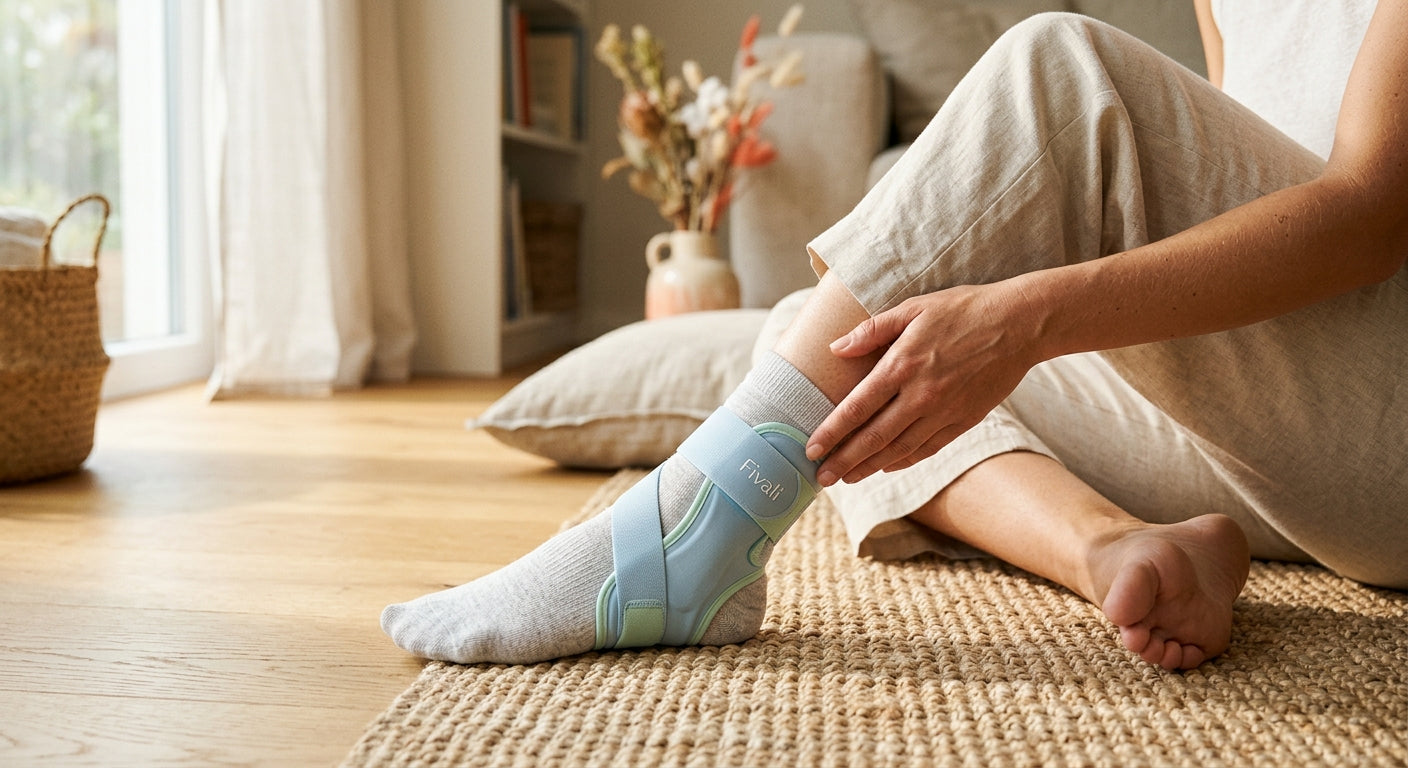
Whether you are gearing up for the start of the active summer sports season, planning long holiday weekend hikes, or just trying to recover from an unfortunate misstep on the stairs, an ankle injury can quickly derail your plans. You get your brace, strap it on, and immediately feel that sweet relief of stability. But then a very practical question arises: should i wear an ankle brace all day?
It seems logical to keep it on constantly to protect the joint. However, the reality of continuous wear is much more nuanced. While keeping your ankle supported is crucial, never taking your brace off can introduce an entirely new set of problems.
Let’s demystify exactly when continuous wear is your best friend, when it becomes your worst enemy, and how to manage your recovery like a pro.

When Continuous Wear Makes Sense
There are specific scenarios where keeping your support on for the vast majority of the day is highly beneficial:
- During Acute Instability: In the first few days following a fresh sprain or injury, your ligaments are stretched and vulnerable. Continuous daytime wear provides the mechanical support your ligaments temporarily cannot offer.
- High-Activity Days: If you're navigating uneven terrain on a summer camping trip, playing sports, or working a job that keeps you on your feet for an eight-hour shift, the brace serves as a critical preventative shield against re-injury.
- Early Rehabilitation: When you are just starting to put weight back onto an injured foot, the proprioceptive feedback—the gentle pressure that reminds your brain where your ankle is in space—helps you walk more confidently.
The Swelling Paradox: When Support Becomes Constriction
Here is where many people run into trouble. Ankle supports are designed to provide compression, which actively helps reduce swelling by gently pushing excess fluid out of the injured area. However, there is a fine line between compression and constriction.
If you leave a brace on endlessly without breaks, or if it is fastened too tightly, it can act like a tourniquet. Instead of pushing fluid away, it traps it. This impaired circulation creates a "swelling paradox"—the very tool you are using to reduce swelling might actually be causing fluid to pool below or above the edges of the brace. Over time, prolonged constriction can also lead to muscle weakness, as your body becomes overly reliant on the external support rather than engaging its own stabilizing muscles.
The 3-Point Daily Check: Fit, Skin, and Circulation
To prevent continuous wear from causing harm, you need to actively monitor your body. Before we dive into the checks, ensuring you know how to put on an ankle brace correctly is your first line of defense. Once it’s on, perform this simple 3-Point Check a few times throughout the day:
1. The Fit Check (The Two-Finger Rule)
Your support should feel snug but not painful. You should be able to slide two fingers under the top edge of the material. If you can't, or if you feel a throbbing sensation, it’s too tight. It should restrict extreme side-to-side rolling motions while still allowing you to point your toes up and down comfortably.
2. The Skin Check
Take your gear off periodically to inspect the skin underneath. Look for deep indentations that don't fade quickly, excessive redness, or localized hot spots. Early signs of brace irritation are often ignored, leading to painful friction blisters or chafing that makes wearing any footwear unbearable.
3. The Circulation Check (Capillary Refill Test)
This is a quick and fascinating way to check your blood flow. Pinch the tip of your big toe on the braced foot until the skin or nail turns white. Release it and count how long it takes for the pinkish color to return. It should take less than two seconds. If it takes longer, or if your toes feel cold, numb, or tingly, loosen your straps immediately.

The Scheduled Break Blueprint
Instead of wearing your support from morning until night, implement a "Scheduled Break Blueprint." This structured approach allows your skin to breathe, restores natural circulation, and prevents psychological dependency on the gear.
- The Sedentary Rule: If you are sitting at a desk, watching a movie, or eating dinner, unlace or unstrap it. Your ankle doesn't need heavy-duty structural support when it isn't bearing weight.
- The 2-Hour Window: If you are on your feet all day, try to find 10 to 15 minutes every 2 to 3 hours to loosen the straps completely. Wiggle your toes and do gentle ankle circles to promote blood flow.
- The Weaning Process: As your ankle heals, begin intentionally leaving the brace off for low-risk activities around the house. Many users fear that removing it will result in permanent weak ankle support, but controlled, unbraced movement is actually what rebuilds your natural strength and stability over time.
Frequently Asked Questions
Should I sleep with it on?
A very common question is should i wear my ankle brace to bed? Unless specifically instructed by a healthcare professional (usually following a severe injury or surgery), the answer is generally no. Sleeping in restrictive gear can impair overnight circulation and hinder the body’s natural healing processes. A light compression sleeve might be okay, but rigid or lace-up supports should be taken off at night.
Does wearing it all day cause muscle weakness?
It can, if overused long-term. Braces take over the job of your stabilizing muscles. If you never take it off, those muscles get "lazy." This is why a weaning process and targeted strengthening exercises are so critical once the acute pain has subsided.

Coordinating Wear with Recovery Therapies
One of the most important scheduled breaks you will take is during active recovery treatments, specifically cold therapy. When managing inflammation, the dynamic of an ice pack vs ankle brace is straightforward: the brace must come off.
Attempting to ice over layers of thick fabric or rigid plastic prevents the cold from penetrating deep into the inflamed tissues. Taking your gear off to apply cold therapy (always with a thin cloth protecting your skin) serves a dual purpose. It provides a mandatory 15-to-20-minute break for your skin to breathe and your circulation to normalize, while delivering targeted relief to the joint.
Ultimately, finding the sweet spot for how long to wear your gear comes down to listening to your body. By understanding the swelling paradox, actively performing your daily 3-Point Check, and scheduling smart breaks, you can confidently protect your ankle without hindering its healing process.
Ready to find the perfect balance of support and comfort for your recovery journey? Exploring a breathable, well-designed compression ankle brace can make all the difference in keeping you active, pain-free, and moving forward.