How to Choose the Best Waterproof Ankle Brace for Your Water Activity Swimming Hydrotherapy & Beyond
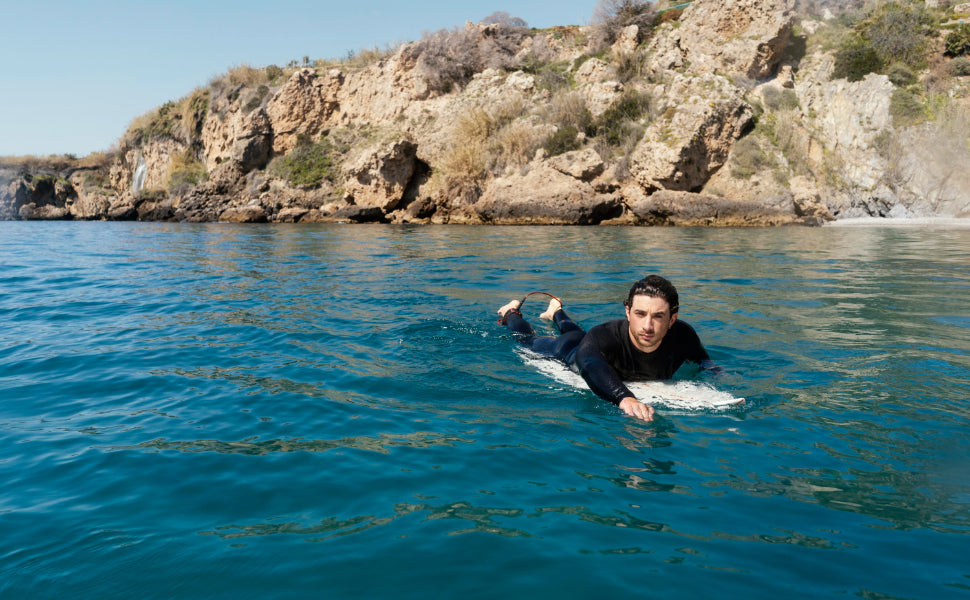
As Memorial Day weekend approaches and the summer water sports season officially kicks off across the United States, millions of Americans are gearing up for days spent in the pool, at the beach, or on the lake. But if you are managing an ankle injury, chronic instability, or simply trying to protect a recovering joint, the water presents a unique challenge.
You already know you need support. The dilemma most active individuals face right now is figuring out exactly which brace will actually hold up in the water without turning into a heavy, waterlogged sponge.
Choosing the right waterproof ankle brace isn't just about finding something that survives getting wet. It’s about matching specific material properties—like closed-cell neoprene structure, corrosion-resistant hardware, and dynamic flexibility—to the exact mechanical demands of your chosen water activity.
This comprehensive guide is designed to empower you to make an informed decision. We will break down the critical evaluation criteria across different aquatic environments so you can find the perfect Fivali brace to keep you moving pain-free.
Understanding Your Water Activity: Tailoring Brace Choice to Your Needs
Generic “waterproof” labels rarely tell the whole story. The biomechanics of a flutter kick in a lap pool are entirely different from the lateral impact of planting your foot on a surfboard.
To maximize both your recovery and your performance, you must align the design of your brace with your specific use case.
Lap Swimming & Competitive Swimming
The Goal: Maximize ankle plantar flexion (pointing the toes), minimize drag, and maintain sustained support without hindering kick efficiency.
What to Look For: You need a low-profile, flexible compression design that sits flush against the skin. Bulky straps or rigid inserts will create significant drag and throw off your stroke mechanics. Furthermore, the material must withstand repetitive exposure to heavily chlorinated water without breaking down.
The Fivali Solution: The Fivali Ankle Sleeve 2 Pack FAR03. Its seamless compression design provides the necessary proprioceptive feedback to stabilize the joint while allowing the dynamic range of motion required for an efficient freestyle or butterfly kick. It acts like a second skin, minimizing water resistance.
Hydrotherapy & Rehabilitation
The Goal: Achieve moderate to robust support for controlled movements, harness therapeutic warmth for tissue healing, and maintain comfort during longer sessions.
What to Look For: If you are exploring the benefits of hydrotherapy for ankle rehabilitation, your priority is controlled stability. You need adjustable compression that can be tailored to daily fluctuations in swelling. The material should also retain body heat to promote blood flow to the injured ligaments.
The Fivali Solution: The Fivali Adjustable Compression Ankle Stabilizer Brace FAH02. The adjustable straps allow you to lock in the precise level of stability required for water aerobics or targeted rehab exercises, giving you the confidence to bear weight in a buoyant environment.
Surfing, Wakeboarding & Dynamic Water Sports
The Goal: Secure strong lateral stability, manage high-impact landings, and ensure extreme durability in abrasive saltwater conditions.
What to Look For: Preventing common ankle injuries in water sports requires heavy-duty support. While an athlete might rely on a standard ankle support brace for basketball on the hardwood, the beach demands different engineering. You need anti-slip designs that won't slide off in churning surf, and materials that resist the degrading effects of saltwater and UV rays.
The Fivali Solution: Fivali models featuring 'Anti-Slip' and 'Adjustable' designs made from premium blended synthetic materials. These braces lock the heel in place to prevent dangerous inversion or eversion sprains when navigating unpredictable waves.
Snorkeling, Diving & Casual Water Play
The Goal: Attain lightweight support, long-term wearability, and easy transition from sand to sea.
What to Look For: For casual beachgoers and snorkelers, comfort is king. You want breathable, quick-drying materials with an open-heel design that allows you to easily slip into swim fins or water shoes without uncomfortable bunching.
Key Evaluation Criteria for Waterproof Ankle Braces (Deep Dive)
When evaluating your options, understanding the material science and design architecture will save you from investing in a product that fails after three trips to the pool.
Material Matters: The Neoprene Advantage
Not all fabrics survive aquatic environments. When comparing an ankle brace vs ankle support sleeve, the core material dictates its water performance.
Many standard braces use open-cell foam or basic elastic knits. While breathable on land, open-cell materials act like sponges in the water, becoming incredibly heavy, diluting compression, and creating a breeding ground for bacteria.
For genuine aquatic performance, you want closed-cell structural materials. A dedicated neoprene ankle support utilizes a closed-cell matrix containing tiny, nitrogen-filled bubbles. This design repels water, prevents the brace from waterlogging, and maintains its compressive integrity (preventing "modulus shift" where the material stretches out and loses support when wet).
At Fivali, we strategically blend Nylon, Neoprene, Spandex, and Polyester to ensure you get the water-repelling benefits of closed-cell tech with the durability of high-grade synthetics. Whether you prefer a sleek black model or a subtle beige ankle brace, the underlying material science remains uncompromising.
Durability Against Chlorine & Saltwater
Chemical exposure is a silent brace killer. Chlorine degrades standard elastic rapidly, while saltwater leaves behind microscopic salt crystals that act like sandpaper on fabric fibers as they dry.
Furthermore, you must evaluate the hardware. Many traditional braces use standard metal eyelets or buckles that will rust within days of saltwater exposure. A high-quality swim brace will utilize reinforced plastics, rust-proof 316 stainless steel, or eliminate hard hardware entirely through advanced hook-and-loop closures.
Comfort, Fit, and "Water-Resistant" vs. "Waterproof"
It is crucial to understand the importance of proper sizing and fit for maximum comfort and effectiveness in water braces. A brace that fits perfectly on land may loosen slightly in the water due to hydrostatic pressure. Always consult the Fivali sizing chart and measure the circumference of your ankle just above the bone.
Additionally, beware of the term "water-resistant." Water-resistant usually means the brace can handle a light rain or heavy sweat. "Waterproof" or "Swim-Ready" implies the brace is engineered for total, sustained submersion without losing structural integrity.
Making the Right Choice: Your Fivali Solution
Fivali’s ‘Waterproof Ankle Brace for Swimming’ collection is architected to address the exact criteria we’ve discussed. We don't believe in one-size-fits-all; we believe in application-specific solutions.
Depending on your activity, you can navigate our ecosystem through distinct design choices:
- Compression Designs: Best for lap swimming, offering sleek, low-profile warmth and proprioceptive support. Often, you don't need complex ankle sleeves with bulky plastic inserts; targeted, high-quality compression is exactly what the joint requires.
- Adjustable Designs: Ideal for hydrotherapy, allowing you to customize the tightness as your swelling subsides over the course of your rehab.
- Anti-Slip Designs: Engineered for dynamic water sports, utilizing specialized inner grips to keep the brace anchored during high-velocity movements.
- Open-Heel Designs: Perfect for snorkelers and divers, offering enhanced breathability, uninhibited Achilles movement, and easy integration with footwear.

Frequently Asked Questions (FAQs) About Swimming with Ankle Braces
Can I wear a standard ankle brace in the pool?
Technically yes, but it is highly discouraged unless it is explicitly designed for water. Standard braces absorb water, become extremely heavy, drag your foot down, and the chlorine will permanently destroy the elasticity of the fabric within a few uses.
Will a waterproof brace hinder my swimming stroke?
It depends on the design you choose. If you are a lap swimmer, opting for a sleek, closed-cell compression sleeve (like the Fivali FAR03) will provide support without compromising your flutter kick. Avoid rigid, lace-up braces for lap swimming, as they restrict plantar flexion.
How do I clean a brace after wearing it in saltwater or chlorine?
Proper maintenance is non-negotiable for longevity. After every single use in a pool or ocean, you must thoroughly rinse your waterproof ankle wrap with fresh, cool tap water.
Can I put my waterproof brace in the dryer?
Never. High heat will melt the synthetic fibers, warp the closed-cell structure of the neoprene, and destroy the hook-and-loop fasteners. Always air dry your brace flat in a shaded, well-ventilated area away from direct sunlight.
Is it safe to swim with a recently sprained ankle?
While hydrotherapy is excellent for rehabilitation, swimming with an acute (fresh) sprain can be risky. The dynamic resistance of the water can stress healing ligaments. Always consult with a physical therapist or medical professional before returning to the pool, and ensure you are using a brace with appropriate lateral stability when you are cleared to do so.
Dive In With Confidence
Evaluating your options doesn't have to be overwhelming. By identifying the specific mechanical demands of your favorite water activity and matching them to the right material science and design architecture, you can protect your joint without sacrificing your active lifestyle.
For over a decade, Fivali has been dedicated to engineering premium sports protection gear that keeps you moving pain-free. As you prepare for the summer water sports season, trust in equipment that is purpose-built for the aquatic environment.
Ready to find your perfect fit? Explore Fivali’s complete collection of swim-ready braces and take the next confident step in your recovery journey.