When to Wear a Compression Sleeve for Tennis Elbow?
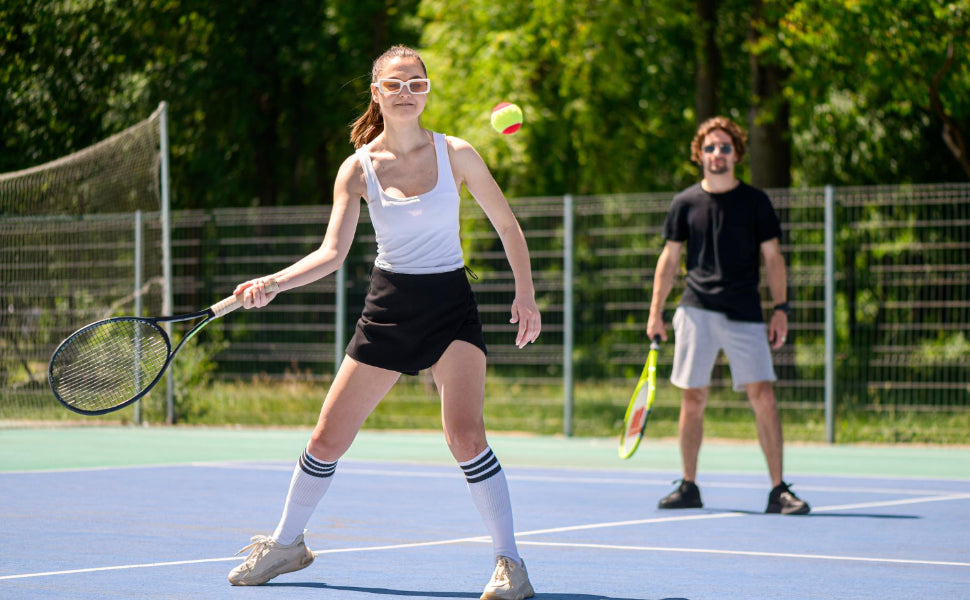
Elbow pain is a shared and frustrating challenge across many active lifestyles. Whether executing a powerful backhand on the court, managing heavy lifting at a job site, or flowing through repetitive weight-bearing transitions in a yoga practice, the outer elbow is highly susceptible to strain. External support garments frequently emerge as a primary tool for managing this discomfort. This comprehensive guide offers practical direction on utilizing a compression sleeve or targeted strap to manage joint strain. It explores the physiological benefits of these garments, establishes optimal wearing schedules, and outlines strategies to seamlessly integrate joint support into both active recovery and mindful movement practices.
Quick Primer: What is Tennis Elbow (Lateral Epicondylitis)?
Lateral epicondylitis refers to irritation or micro-tearing of the tendons that join the forearm muscles to the outside of the elbow. The lateral epicondyle is the bony bump on the outer elbow where the common extensor tendon attaches. Forearm muscles responsible for extending the wrist and fingers rely heavily on this anchor point.
Activities requiring repetitive gripping, twisting, or load-bearing are primary culprits. While racquet sports are famous for causing this issue, identical strain occurs during heavy lifting, prolonged gardening, extensive typing, or repeatedly transitioning through yoga poses like Chaturanga Dandasana (four-limbed staff pose).
Symptoms typically present as an aching or burning pain on the outside of the elbow, weakened grip strength, and stiffness that worsens when shaking hands, turning a doorknob, or holding a coffee cup.
Types of Supports and How They Differ
Different garments offer unique mechanisms for managing forearm tendon strain. Selecting the appropriate style depends on the specific activity and severity of symptoms.
Full or partial compression sleeves provide generalized warmth, enhance local circulation, and deliver mild, uniform pressure across the entire joint. This promotes tissue elasticity and can soothe generalized aching.
Conversely, an elbow band for tennis elbow is a narrower strap that sits just below the elbow crease. It applies focused pressure directly to the upper forearm muscle belly, fundamentally altering the angle of pull and reducing the load placed on the injured tendon attachment.
Other variations include rigid braces for maximum immobilization and sleeves featuring integrated silicone padding for targeted compression. A strap is generally preferable for high-intensity activities requiring maximum breathability and localized offloading, whereas a full sleeve excels during cooler weather, lower-intensity movement, or periods requiring generalized joint warmth. Non-branded selection criteria should prioritize a secure fit, moisture-wicking materials, and highly adjustable closures to ensure longevity and comfort.
How a Compression Sleeve Helps: Science and Mechanisms
External joint garments function through a combination of mechanical alteration and neurological feedback. Straps and bands provide mechanical offloading by compressing the extensor muscles. This creates a secondary attachment point, absorbing the force before it reaches the inflamed lateral epicondyle.
Full sleeves provide a different physiological advantage. The gentle, continuous pressure reduces localized swelling and retains body heat, which promotes localized blood flow. Enhanced circulation is vital for tissue recovery. Additionally, the tactile feedback of the fabric against the skin heightens proprioception—the body's spatial awareness of the joint—encouraging safer movement patterns.
When evaluating external management options, many individuals ask, do tennis elbow braces work? Research generally indicates that while they do not miraculously heal the underlying tissue degeneration, they are highly effective at modulating pain, improving grip strength during wear, and boosting functional confidence. The reduction in perceived pain allows individuals to engage in the necessary strengthening exercises required for long-term recovery.
Core Question: When to Wear a Compression Sleeve for Tennis Elbow?
During Aggravating Activity
The most critical time to utilize external joint support is during the specific activities that trigger the pain. This includes playing racquet sports, weightlifting, repetitive manual labor, intense gardening, or deep cleaning. The most practical approach is to secure the garment just before the activity begins and remove it during extended rest periods to allow the skin to breathe.
While Exercising and Rehabbing
Therapeutic strengthening, particularly eccentric loading of the wrist extensors, is crucial for tissue remodeling. Wearing a sleeve or strap during these physical therapy sessions can lower the pain threshold, making it easier to tolerate the necessary therapeutic load.
During Flare-Ups for Symptom Control
When symptoms acutely spike, donning a sleeve for short durations throughout the day can manage throbbing pain. The warmth and compression provide a soothing effect that enables gentle, daily movement without severe wincing.
At Rest and Daily Wear
Continuous, all-day wear is generally discouraged. Relying on passive support 24/7 can lead to skin irritation and may cause the surrounding musculature to decondition. Prolonged daytime wear is only appropriate during the most acute, painful phases, and should be accompanied by a clear plan to taper usage as symptoms subside.
Sleeping and Night Wear
Nighttime usage is rarely necessary for lateral epicondylitis, unlike wrist braces used for carpal tunnel syndrome. Unless specifically instructed by a clinical professional to prevent awkward sleeping postures, it is best to leave the elbow unsupported overnight to ensure uninhibited circulation.
Post-Procedural Use
Following corticosteroid injections, PRP therapy, or other localized treatments, a provider may recommend temporary sleeve usage. This protects the sensitive site and provides comfort while the localized inflammation from the procedure subsides.
Long-Term Prevention
For individuals with a history of recurrent pain, deploying a strap or sleeve exclusively during high-risk, heavy-load activities serves as an excellent short-term preventative measure, guarding against sudden micro-tears without fostering permanent physical reliance.
Practical Wearing Guidelines and Schedules
Acute Phase (First 1–2 Weeks)
During the initial onset of sharp pain, the garment should be worn during all aggravating activities and unavoidable painful daily tasks (like lifting groceries). Continuous around-the-clock wear should still be avoided to protect skin health.
Subacute Phase (2–8 Weeks)
As the sharp pain transitions to a dull ache, wear time should be limited strictly to high-load activities and dedicated rehabilitation sessions. Tapering the usage forces the tendon to gradually adapt to normal loads.
Maintenance and Prevention
Once pain-free daily function is restored, the support should remain in the gym bag, reserved exclusively for heavy-duty work or intense sporting events. Focus shifts entirely to consistent strengthening and technique refinement.
Example Schedules
- The Recreational Tennis Player: Wears a focused band only during matches and active practice sessions; removes it immediately afterward.
- The Weekend Gardener: Wears a full compression sleeve for warmth and support while pruning and digging on Saturday mornings; leaves the arm bare for the remainder of the weekend.
- The Office Worker: Keeps a strap at the desk, applying it only during intense, multi-hour typing sessions, while taking frequent ergonomic stretch breaks.
How to Fit and Wear a Sleeve or Elbow Band Correctly
A garment is only as effective as its fit. To measure correctly for a full sleeve, use a soft tape measure to find the circumference of the mid-bicep and mid-forearm. The fabric should feel snug and secure, but never restrictive or suffocating.
For a counterforce strap, positioning is critical. The padded section must sit roughly one to two inches below the prominent bone on the outside of the elbow (lateral epicondyle). It should wrap around the widest part of the upper forearm muscle.
Tension must be carefully managed. A good rule of thumb is the "two-finger test": you should be able to slide two fingers beneath the strap with slight resistance. Common mistakes include placing the band directly over the painful bone (which increases irritation), pulling the strap tight enough to cause vascular throbbing, or choosing materials that lack silicone grips and constantly slide down the arm.
Skin, Circulation, and Safety Considerations
Vigilance regarding skin health and blood flow is essential when using compressive athletic wear. Users must actively watch for warning signs such as localized numbness, tingling in the fingers, increased throbbing pain, blistering, or persistent redness that does not fade after removal.
Individuals managing diabetes, peripheral vascular disease, or localized neuropathy must exercise special caution. Compromised sensation or circulation means a strap could cause tissue damage without the wearer feeling it. Clinical assessment is highly recommended for these populations before beginning regular use.
Hygiene directly impacts skin safety. Sweat and dead skin cells degrade fabric elasticity and harbor bacteria. Hand wash garments in cold water with mild detergent and allow them to air dry completely. Replace the garment once the Velcro loses its grip or the fabric stretches beyond its original compressive state.
Integration with Rehabilitation and Yoga Practice
For yoga practitioners—particularly senior enthusiasts dedicated to joint longevity—a sleeve serves as a temporary adjunct, not a definitive cure. True rehabilitation requires pairing external support with eccentric strengthening, targeted stretching, and ergonomic awareness. Integrating a reliable tennis elbow support can help sustain a modified practice without abandoning the mat entirely.
Yoga-Specific Advice
During periods of active elbow pain, heavily weight-bearing poses on the hands must be modified. Poses like Chaturanga, Plank, and Downward-Facing Dog place immense stress on the wrist extensors. Modify by dropping the knees to the mat, utilizing forearms instead of hands (Dolphin pose instead of Downward Dog), or using yoga blocks to alter the wrist angle.
Include gentle strengthening and mobility poses in the flow. Isometric wrist extensor holds, gentle prayer stretches, and controlled supination/pronation movements of the wrists can stimulate healing blood flow without overloading the tendon.
Breathwork and mindfulness play critical roles in pain management. Using the physical sensation of the compression sleeve as a focal point can help a practitioner stay present, continuously monitoring the joint for sharp pain and adjusting alignment dynamically throughout the class.

Choosing the Right Support for Your Needs
Selecting the ideal garment involves a simple decision tree based on pain severity and activity type. If the primary need is warmth, generalized compression, and joint awareness during moderate activity, a full sleeve is ideal. If the goal is aggressively offloading the tendon during heavy gripping or swinging, a focused forearm band is superior. If the injury involves severe instability or multiple ligament strains, a rigid tennis elbow brace may be required.
Material construction dictates comfort. Prioritize breathable knits that allow sweat evaporation, adjustable medical-grade hook-and-loop fasteners, and internal anti-slip silicone texturing. Durability and cost-effectiveness go hand-in-hand; investing in a well-constructed garment that retains its elasticity will better support the entire rehabilitation journey than a low-quality alternative that requires constant replacement.
When a Sleeve is Not Enough: Red Flags
Conservative management utilizing external support and rest is highly effective for most, but certain symptoms require professional intervention. A lack of measurable improvement after 6 to 12 weeks of consistent conservative care is a clear indicator that a different approach is needed.
Severe pain that interrupts sleep, sudden weakness resulting in dropped objects, or persistent numbness radiating down to the fingers are clinical red flags. These symptoms suggest the need for imaging, formal physical therapy, localized injections, or a specialist referral.
It is also crucial to consider differential diagnoses. Pain in the outer elbow might not be lateral epicondylitis. Conditions like radial tunnel syndrome (nerve compression), cervical radiculopathy (neck nerve irritation), or localized osteoarthritis can mimic tendon strain but require vastly different treatment protocols.
Maintenance, Care, and Lifespan of Supports
Proper maintenance extends the functional lifespan of supportive wear. Machine washing and hot dryers destroy the elastic fibers and warp silicone padding. Always hand wash with gentle soap and lay the garment flat to dry in a shaded, well-ventilated area.
Most high-quality sleeves and bands maintain their optimal compressive qualities for roughly six to twelve months of regular use. Once the material begins to bunch, fray, or fails to provide the familiar secure tension, it no longer provides mechanical benefit and must be replaced. For eco-conscious and cost-conscious individuals, prioritizing high-quality stitching and occasionally replacing just the hook-and-loop straps (if the design allows) can extend the product's life.
Conclusion and Key Takeaways
Compression sleeves and forearm bands are highly effective, non-invasive tools for managing lateral epicondylitis when used strategically. The optimal approach involves wearing the support during high-load, aggravating activities and therapeutic exercise, while avoiding unnecessary all-day continuous wear. External garments are most successful when treated as an adjunct therapy, combined with progressive eccentric strengthening, mobility work, and modifications to activity technique.
To ensure success, verify that the garment is positioned correctly below the elbow crease, pass the two-finger tension test to guarantee safe circulation, and monitor carefully for any red flags that necessitate professional clinical assessment.
Appendix: Optional Resources
Quick At-Home Tests
To help identify typical lateral epicondyle strain, try the Cozen's Test motion: Extend your arm straight out, make a fist, and try to bend your wrist backward against the resistance of your other hand. Sharp pain at the outer elbow is a strong indicator of extensor tendon irritation.
Simple Daily Exercises
- Eccentric Wrist Extensions: Rest your forearm on a table with your hand hanging off the edge holding a light weight. Use your healthy hand to lift the weight up, then slowly lower the weight using only the injured arm over a count of four seconds.
- Forearm Extensor Stretch: Extend your arm straight, palm facing down. Use the other hand to gently press the back of the hand down toward the floor until a stretch is felt in the top of the forearm. Hold for 30 seconds.
Questions for a Healthcare Professional
- "Are there specific ergonomic adjustments I should make at my workstation to protect my elbow?"
- "Can you evaluate my sleeve placement to ensure I am offloading the correct tendon?"
- "Is my current pain level indicative of a micro-tear, or should we consider imaging to rule out nerve entrapment?"
Frequently Asked Questions
Do tennis elbow braces work?
Yes, they are highly effective for pain modulation and mechanical offloading. While they do not repair torn tissue, they redistribute force away from the inflamed tendon, allowing individuals to perform daily tasks and necessary rehabilitation exercises with significantly less discomfort.
What is the difference between an elbow band and a compression sleeve?
A sleeve covers the entire joint, providing generalized warmth, mild compression, and improved circulation. A band is a narrow strap worn just below the elbow crease, designed specifically to apply targeted pressure to the forearm muscle to mechanically reduce tension on the tendon attachment.
Can I wear a compression sleeve all day?
It is generally not recommended to wear compressive garments 24/7. Continuous wear can cause skin irritation and may lead to over-reliance. They are best utilized during aggravating activities, exercise, or acute flare-ups.
How tight should a tennis elbow strap be?
The strap should be snug enough to stay firmly in place and provide noticeable support, but loose enough that you can slide two fingers underneath it. It should never cause a throbbing sensation, numbness, or tingling in the hand.
Can I sleep with a tennis elbow brace on?
Unless specifically advised by a healthcare provider to correct a sleeping posture, it is unnecessary to wear an elbow support overnight. Nighttime is an opportunity for the skin to breathe and for uninhibited blood flow to naturally aid recovery.
Will a sleeve cure my tennis elbow?
No, a sleeve is a supportive management tool, not a standalone cure. Complete recovery requires a multi-faceted approach that includes rest, activity modification, eccentric strengthening exercises, and targeted stretching.
How long should I use a brace before expecting improvement?
Pain relief during activity should be noticeable immediately upon wearing the garment correctly. However, underlying tissue healing is a slow process; expect a timeline of 6 to 12 weeks of combined bracing and therapeutic exercise to see significant, lasting functional improvement.
Can I still practice yoga or lift weights while wearing a sleeve?
Yes, but activity modification is crucial. Wearing a sleeve provides support, but load-bearing exercises (like heavy pressing or deep push-ups/chaturangas) should be scaled back, modified, or temporarily paused to prevent further tissue damage while the tendon heals.
Can wearing a brace weaken my arm?
If worn excessively around the clock and used as an excuse to avoid therapeutic exercise, yes, passive dependency can occur. However, if used strictly during painful activities and paired with a progressive strengthening program, it will not weaken the arm.
How do I choose the right size and style?
Use a soft tape measure to determine the circumference of your forearm for accurate sizing. Prioritize breathable, moisture-wicking materials with adjustable closures. Choose a full sleeve for generalized warmth and mild support, or a focused forearm band for high-intensity, load-bearing activities.
When should I see a doctor or physical therapist?
Seek professional guidance if severe pain persists despite 6 to 12 weeks of rest and bracing, if pain frequently wakes you up at night, if you experience sudden grip weakness, or if you feel radiating numbness and tingling extending down into your fingers.