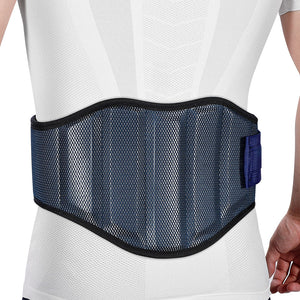
Achilles Tendonitis Strap
- Black
- Orange
- Green
- Pink
- Black
- Grey
- Blue
- Pink
- Purple
- Black
- Red
- Blue
- Orange
How to Strap the Achilles Tendon
When dealing with discomfort in the back of your heel, finding effective ways to support your Achilles tendon is crucial for a smooth recovery and pain-free movement. This vital band of tissue connects your calf muscles to your heel bone, taking on massive amounts of force every time you walk, run, or jump. Proper strapping techniques can significantly reduce stress, minimize strain, and make everyday tasks much more manageable.
Whether you are recovering from a recent flare-up, managing chronic heel discomfort, or looking for preventative support during your workouts, learning how to apply an ankle compression band correctly is a game-changer. In our approach, we focus on fitness and recovery solutions that are easy to wear and provide the exact level of stability needed for walking, long work shifts, and high-impact sports.
Here is a comprehensive guide to applying an Achilles support strap for maximum relief and performance.
Position the Foot Correctly
The foundation of a highly effective wrap job begins before the strap even touches your skin. Before applying any support, we highly recommend keeping the foot in a relaxed, neutral position. Ideally, you want your ankle resting at a natural 90-degree angle.
Sitting down with your foot resting flat on the floor or slightly elevated ensures that your calf muscle is relaxed and the tendon is not actively stretched or contracted. This neutral positioning helps the strap sit naturally around the contour of your heel and lower leg. It also guarantees that the wrap provides even, therapeutic compression without creating unnecessary pressure points or bunching up when you finally stand and bear weight.
Secure the Strap Comfortably
Achieving the perfect fit is a balancing act between secure stability and healthy blood flow. An effective Achilles support strap should fit snugly around the lower leg or right above the heel bone, depending on its specific design.
When fastening the closures, aim for a secure hold that prevents the band from slipping down your ankle during dynamic movement while still allowing normal ankle flexibility and range of motion. You should be able to flex and point your toes comfortably. If the strap feels excessively tight, leaves deep indentations in your skin, throbs, or causes a tingling, numb sensation in your toes, it is too restrictive. Simply loosen the closures and readjust for a better, more ergonomic fit. The goal is reassuring compression, not restriction.
Match the Support to Your Activity
One size does not fit all when it comes to kinetic movement. Different physical activities require completely different levels of ankle and heel support. Tailoring your strapping method to your specific daily routine will help you achieve the best possible results.
Everyday Walking and Standing
For running errands, casual walking, or working a job that requires prolonged standing, heavy-duty restrictions are rarely necessary. In these scenarios, light-to-moderate compression is usually sufficient to promote circulation, reduce fatigue, and keep the tendon warm and supported throughout the day.
High-Impact Sports and Running
If your routine involves hiking steep trails, running long distances, or playing sports that require sudden pivoting, your ankles endure repetitive stress. These dynamic environments benefit heavily from a more supportive, structured fit. Strapping the area slightly firmer or using a targeted compression band can help absorb shock, reduce micro-vibrations in the calf, and provide superior joint stability when you land.
Rest and Post-Workout Recovery
Recovery is just as important as the workout itself. After a long day or a strenuous gym session, using a softer, breathable wrap can enhance overnight comfort and soothe the affected area.
Our focus is on providing a versatile range of options designed for daily comfort, proactive recovery, and active lifestyles. By understanding how to apply and adjust your compression gear, you can find the perfect balance and the right solution at every stage of your movement journey.
Additional Tips for Heel Comfort
To maximize the benefits of your strapping routine, always pair your support bands with well-fitting, supportive footwear that offers adequate heel cushioning. Furthermore, taking a few minutes to gently stretch your calves and warm up your lower body before strenuous physical activity will work hand in hand with your support strap to keep your legs feeling strong, capable, and pain-free.