Achilles Tendonitis

Achilles tendonitis is a common condition that causes pain and inflammation in the Achilles tendon, the strong band of tissue that connects your calf muscles to your heel bone. This overuse injury, common among runners, weekend warriors, and active individuals, can range from a mild annoyance to a debilitating problem.
What is the Achilles Tendon?
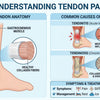
To understand Achilles tendonitis, it’s important to first appreciate the tendon itself. The Achilles tendon is the largest and strongest tendon in the body. It endures significant stress during activities like walking, running, jumping, and climbing stairs. Its primary job is to help you point your foot downward, rise on your toes, and push off as you move.
When this powerhouse tendon becomes overworked, it can lead to irritation and inflammation, a condition known as Achilles tendonitis. The issue typically occurs in one of two areas:
- Non-insertional Achilles Tendonitis: This involves fibers in the middle portion of the tendon beginning to break down. It more commonly affects younger, active people.
- Insertional Achilles Tendonitis: This occurs at the lower part of the heel, where the tendon attaches (inserts) to the heel bone. It can happen at any age, even in people who are not very active.
Common Causes and Risk Factors
Achilles tendonitis is rarely caused by a single, specific injury. It most often results from repetitive stress or a sudden increase in the amount or intensity of physical activity. Key risk factors include:
- Sudden Increase in Activity: Jumping into a new exercise routine too quickly or drastically increasing the duration or intensity of your runs without giving your body time to adjust. Not allowing enough time for tendon adaptation to running load is a primary contributor to this injury.
- Tight Calf Muscles: Tight or weak calf muscles can put extra strain on the Achilles tendon.
- Improper Footwear: Wearing worn-out shoes or footwear that doesn't provide adequate support can increase your risk.
- Bone Spurs: Extra bone growth where the Achilles tendon attaches to the heel bone can rub against the tendon, causing pain (common in insertional tendonitis).
- Running on Hard Surfaces: Regularly running on hard or uneven surfaces can place stress on the tendon.
Recognizing the Symptoms
The symptoms of Achilles tendonitis typically develop gradually and may include:
- Pain and stiffness along the Achilles tendon, especially in the morning.
- Pain along the tendon or back of the heel that worsens with activity.
- Severe pain the day after exercising.
- Thickening or swelling of the tendon.
- Tenderness when you squeeze the sides of the tendon.
If you experience a sudden "pop" in the back of your calf or heel, you may have ruptured the tendon and should seek immediate medical attention.
Treatment and Management Strategies
Effectively managing Achilles tendonitis involves reducing the strain on the tendon and promoting healing. Most cases can be treated successfully with non-surgical, at-home care.
The RICE Method
A foundational approach for most acute injuries is RICE:
- Rest: The most important step is to reduce or stop activities that worsen the pain. Switch to low-impact exercises like swimming or cycling if you want to stay active.
- Ice: Apply an ice pack to the affected area for 15-20 minutes several times a day to help reduce pain and swelling.
- Compression: An elastic bandage or Achilles tendon compression sleeve can help reduce swelling and provide support.
- Elevation: Elevate your leg above heart level whenever possible to help minimize swelling.
Stretching and Strengthening
As the initial pain subsides, incorporating specific exercises is vital for recovery and preventing recurrence.
- Calf Stretches: Gently stretching the calf muscles can relieve tension on the Achilles tendon. Hold each stretch for 30 seconds and repeat several times a day.
- Eccentric Strengthening: Exercises like heel drops, in which you slowly lower your heel over the edge of a step, have been shown to be highly effective for strengthening the tendon.
Supportive Measures
The right foot and ankle support can significantly improve comfort and recovery. Choosing a good ankle support for Achilles tendonitis can help stabilize the area and reduce stress on the healing tendon. Depending on the severity and your activity level, you might consider an Achilles tendonitis brace for stronger stabilization or a general ankle brace for pain management during daily activities.
For individuals whose foot mechanics contribute to the problem, supportive footwear and sometimes even arch braces for feet can help correct alignment and reduce strain. It's also wise to invest in a quality compression sleeve for Achilles tendonitis, to wear daily.
Returning to Activity and Prevention
Patience is key when returning to your sport or exercise routine. Re-injuring the tendon is common if you do too much, too soon.
- Gradual Return: Slowly reintroduce activities, starting at a much lower intensity and duration than before your injury. Follow the "10% rule," increasing your activity level by no more than 10% per week.
- Listen to Your Body: Pay close attention to how your tendon feels. If you experience pain, back off and give it more time to rest. For athletes, a common question is: Should I wear an ankle brace while running during the recovery phase? For many, wearing support can provide confidence and reduce strain as they ease back into their stride.
The best way to deal with Achilles tendonitis is to prevent it from happening in the first place. Always warm up properly before exercise, maintain calf flexibility with regular stretching, wear appropriate, supportive shoes, and gradually increase your training intensity. Taking a proactive approach to your tendon health will keep you moving comfortably and consistently for years to come.
-
Posted in
Ankle Injuries