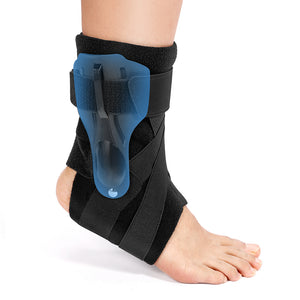
Ankle Compression Sleeve
- Black
- Grey
- Blue
- Pink
- Purple
- Black
- Red
- Blue
- Orange
- Black
- Orange
- Green
- Pink
Should I Sleep with Ankle Compression?
If you are recovering from a lower leg injury or dealing with chronic foot discomfort, you might find yourself asking: Should I sleep with ankle compression? The answer is a resounding yes. Wearing compression gear to bed can be highly beneficial for overnight healing, minimizing morning stiffness, and protecting vulnerable joints.
When we drift off to sleep, our bodies completely relax. While this rest is essential, it also means our ankles are much more susceptible to involuntary movements, awkward positioning, and misalignment. Wearing a compression ankle support brace provides constant support and stability throughout the night. This continuous reinforcement significantly reduces the likelihood of sudden twisting or rotation while you toss and turn, which further protects against straining an already injured Achilles tendon or a sprained ankle that is healing.
Key Benefits of Sleeping with Ankle Compression
Expanding on the advantages of overnight support can help you understand why this practice is a staple for optimal joint recovery. Here is how nighttime compression actively works to heal your body.
1. Stabilize the Ankle During Unconscious Movement
During deep sleep, your body frequently changes positions without you ever realizing it. Unintentional movements can easily push a healing joint past its comfortable range of motion, leading to setbacks. Utilizing nighttime support provides continuous, 360-degree stability for the joint. It prevents the foot from twisting, hyperextending, or shifting excessively. This is particularly important for individuals with Achilles tendonitis, as avoiding sudden pulls on the tendon during sleep is crucial to prevent the condition from worsening and to avoid sharp pain upon waking.
2. Promote Blood Circulation and Reduce Overnight Swelling
Even when you are resting, your body's cellular repair and metabolism are working overtime. Dealing with ankle swelling overnight is a common frustration for anyone nursing a sprain or joint inflammation. The moderate, consistent pressure of a compression brace for the ankle can effectively promote venous blood return around the joint. This targeted compression accelerates local blood circulation, which helps flush out inflammatory factors and metabolic waste. By creating an ideal physiological environment for tissue repair, you can significantly reduce inflammation-related pain, throbbing, and edema, allowing your injuries to subside and heal much faster.
3. Maintain Muscle and Achilles Tendon Tension
Morning heel pain and ankle stiffness are classic symptoms of Achilles tendon issues. During sleep, your leg muscles relax completely, which can cause the tension in your Achilles tendon to become imbalanced. An Ankle brace compression sleeve acts as a gentle guide, helping to maintain the proper resting tension of both the surrounding muscles and the Achilles tendon. By preventing excessive relaxation or abnormal contraction overnight, you avoid the structural changes and the accumulation of micro-injuries that often occur with sudden shifts in tension. Keeping the Achilles tendon properly supported at night is highly conducive to long-term rehabilitation and daily joint maintenance.
Common Conditions That Benefit from Nighttime Compression
Many individuals seek ways to speed up their healing while they rest. You can greatly benefit from sleeping with targeted compression if you are experiencing any of the following:
- Achilles Tendonitis: Protects the tendon from involuntary nighttime stretching and drastically reduces severe morning stiffness.
- Ankle Sprains: Keeps damaged ligaments securely in place so they can knit back together without interruption.
- Plantar Fasciitis: Helps maintain foot alignment and promotes vital blood flow to the inflamed fascia at the bottom of the heel.
- General Edema and Swelling: Prevents fluid from pooling in the lower extremities while you are lying flat in bed, ensuring you wake up with less puffiness.
Tips for Wearing Compression Gear to Bed
While the benefits of overnight recovery are clear, it is vital to wear your gear correctly to maximize comfort and safety.
- Check the Fit: Your compression should feel snug and supportive, but never painfully tight. It should not cut off your circulation, cause numbness, or make your toes feel cold.
- Choose Breathable Fabrics: Opt for lightweight, moisture-wicking materials that will keep your skin dry and prevent overheating while you sleep.
- Listen to Your Body: If you wake up in the middle of the night with throbbing pain or discomfort, simply remove the garment and try the next night again with a slightly looser fit.
Incorporating compression into your bedtime routine is an excellent, non-invasive strategy to safeguard your joints, boost local circulation, and wake up feeling refreshed and ready to take on the day with less pain.