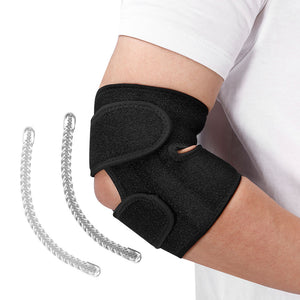
Best Ankle Brace For Sprained Ankle
- Black
- Orange
- Green
- Pink
- Black
- Grey
- Blue
- Pink
- Purple
- Black
- Red
- Blue
- Orange
Which Ankle Brace Is Best for a Sprained Ankle?
Have you recently rolled, twisted, or awkwardly turned your foot? You are certainly not alone. Ankle sprains are among the most common musculoskeletal injuries, affecting everyone from professional athletes on the court to everyday individuals stepping off a curb. When dealing with the sudden pain, inflammation, and joint instability that immediately follow a twisted ankle, finding the optimal support is essential for a fast and safe recovery.
While the market is flooded with rigid stabilizers and heavy-duty lace-up supports, starting with a high-quality elastic bandage is often one of the most effective and accessible strategies for mild to moderate sprains. Here is a closer look at why elastic compression wraps are highly recommended for healing a sprained ankle and how they can accelerate your recovery time.
Why Elastic Bandages Are a Top Choice for Ankle Sprain Recovery
Elastic wraps offer a unique combination of flexibility, comfort, and targeted stabilization that makes them ideal for treating acute joint injuries. They provide several distinct benefits that heavier, more restrictive supports often lack.
Adjustable Compression for Swollen Ankle Relief
One of the primary advantages of utilizing a stretchable elastic wrap is the ability to completely customize the level of compression. In the initial days following an ankle injury—often referred to as the acute phase—swelling can fluctuate dramatically from morning to night. An adjustable wrap allows you to tighten or loosen the material based on the current level of inflammation.
This targeted, adjustable compression is a vital component of treatment for a sprained ankle. It actively controls swelling by reducing unwanted fluid buildup around the damaged ligaments, all while providing immediate, soothing support to the affected joint so you can move with greater confidence.
Breathability for All-Day Ankle Support
Healing damaged ligaments takes time, which means you will likely need to wear your support for extended periods throughout the day. Elastic bandages are typically crafted from lightweight, moisture-wicking materials that allow air to circulate freely around the injured joint.
This essential breathability helps keep the skin cool and dry. By prioritizing proper airflow, you significantly reduce the risk of chafing, itching, or skin irritation that frequently occurs when wearing bulky, less breathable alternatives for hours on end.
Versatility for Weak Ankles and Injury Prevention
A remarkable feature of a flexible wrap is its seamless adaptability throughout your entire rehabilitation journey. In the highly sensitive early phase of healing, using a proper ankle brace bandage greatly helps control acute swelling and provides primary stabilization.
As your overstretched ligaments begin to mend and you transition back to daily walks or light physical therapy exercises, the same wrap can still be used. It offers a gentle layer of extra stability for weak ankles and serves as a helpful physical reminder to remain cautious with your movements as you regain your natural range of motion and joint strength.
How to Choose the Right Support for Different Types of Ankle Sprains
To properly manage your recovery and prevent future ankle rolls, it helps to understand the severity of your specific injury. Sprains are generally categorized into three grades:
- Grade 1 (Mild Sprain): This involves a slight stretching of the ankle ligaments. You will experience mild tenderness and minimal swelling. An elastic compression wrap is generally ideal for this stage, providing just enough joint support without overly restricting your foot's natural movement.
- Grade 2 (Moderate Sprain): This indicates partial tearing of the ligament, leading to noticeable bruising, moderate pain, and joint looseness. You will need to combine your adjustable wrap with strict rest and regular icing routines.
- Grade 3 (Severe Sprain): This is a complete tear of the affected ligament, resulting in severe pain, significant swelling, and a total inability to bear weight. While a flexible wrap can temporarily help control the initial fluid buildup, you should always consult a healthcare professional for advanced orthopedic evaluation and physical therapy guidance.
Additional Tips to Accelerate Your Ankle Injury Recovery Time
Finding the best ankle support is just the first step in healing a sprained ankle fast. To maximize your recovery, consider integrating these proven rehabilitation techniques:
- Implement the R.I.C.E. Method: Rest, Ice, Compression, and Elevation remain the foundational pillars for treating sudden joint injuries. Wrap your ankle to achieve proper compression, elevate your foot above your heart while resting, and apply ice packs in 15-minute intervals to naturally soothe inflammation.
- Listen to Your Body: Avoid rushing back into high-impact activities like running, jumping, or heavy lifting. Rely on your compression wrap during your gradual transition back to normal daily activities.
- Incorporate Gentle Stretching: Once the acute pain subsides, simple range-of-motion exercises—such as spelling the alphabet in the air with your big toe—will help prevent long-term joint stiffness and improve blood circulation.
Recovering from a twisted ankle requires patience, diligent care, and the right approach to joint stabilization. By prioritizing adjustable compression, breathable materials, and long-term versatility, you can safely guide your ankle back to full strength and get back on your feet with total peace of mind.