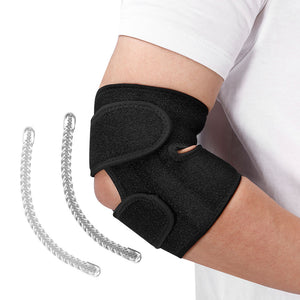
Best Elbow Strap for Tendonitis
- Black
- Grey
- Blue
- Purple
- Pink
- Black
- Dusty Blue
- Blue
- Pink
- White
- Pink
- White
- Yellow
- Purple
- Black
- Black
- Grey
- Grey
- Black
- Blue
- Grey
- Blue
- Black
- Black
- Blue
How Do You Heal Tendonitis in Your Elbow Fast?
Dealing with a sharp, nagging pain in your forearm or elbow joint can bring your daily routine to a grinding halt. Elbow tendonitis—whether it presents as tennis elbow (lateral epicondylitis) affecting the outer elbow, or golfer's elbow (medial epicondylitis) impacting the inner elbow—is a notoriously persistent condition. While tendons naturally have a slower blood supply, which can make complete healing take time, there are proactive, science-backed steps you can take to accelerate your recovery and manage symptoms effectively at home.
Understanding Your Elbow Pain: Lateral vs. Medial Epicondylitis
Before diving into rapid healing strategies, it helps to know exactly what you are dealing with. Tendonitis in the arm occurs when repetitive motions or overuse create micro-tears in the tendons connecting your forearm muscles to your elbow bones. If your outer forearm aches when gripping objects or turning a doorknob, you likely have tennis elbow. Conversely, if the pain radiates from the inside bump of your elbow, golfer's elbow is the likely culprit. Both conditions benefit heavily from a structured, at-home conservative treatment plan.
Proven Steps to Accelerate Elbow Tendonitis Recovery
Here is exactly how to promote faster healing, reduce joint inflammation, and regain your full range of motion without delay:
1. Prioritize Rest and Activity Modification
The most crucial step in quickly healing elbow pain is resting the affected arm. Continuing the very activities that caused the overuse injury—like swinging a racket, typing forcefully, painting, or lifting heavy weights—will only aggravate the inflamed tissue. Give your arm ample time to heal by avoiding repetitive gripping, twisting, and lifting motions.
2. Apply Ice for Immediate Inflammation Reduction
In the initial acute stages of an elbow injury, cold therapy is your best friend. Apply ice packs wrapped in a thin cloth or towel to the affected area for 15 to 20 minutes, several times a day. This cold application constricts local blood vessels, rapidly flushing out inflammation and numbing localized joint pain.
3. Embrace Targeted Compression Therapy
Adding support to your forearm helps stabilize the muscle fibers and reduces swelling. Wearing a supportive sleeve or utilizing the best elbow strap for tendonitis offers targeted relief right where you need it most. By applying precise counter-force pressure over the forearm belly, a high-quality strap redirects tension away from the injured tendon attachment points, allowing them to rest even when you have to move your arm.
4. Integrate Stretching and Physical Therapy Exercises
Once the sharp, initial pain subsides, total immobilization can actually stiffen the joint. Gentle forearm stretching and eccentric strengthening exercises help improve muscular flexibility, stimulate blood flow, and rebuild tendon strength. Consider consulting a licensed physical therapist for a tailored workout regimen that ensures you are stretching correctly without overextending the joint.
Choosing the Right Supportive Gear
An isolation strap is a game-changer for anyone struggling with chronic forearm pain. It functions by applying localized pressure to the extensor or flexor muscles just beneath the elbow crease. This mechanical offloading significantly reduces the daily stress placed on your injured tendons, facilitating a much more effective healing environment.
When you are searching for the best elbow strap for tendonitis, make sure you look for essential features that guarantee both daily comfort and functional efficacy:
- Secure, Customized Fit: The band should stay in place during movement without cutting off circulation or pinching the skin.
- Targeted Compression: Look for integrated pressure pads or compression nodes that target the muscle belly.
- Durable, Breathable Materials: Premium fabrics prevent moisture buildup and skin irritation during prolonged wear or athletic activity.
Optimize Your Daily Ergonomics
Poor posture and improper wrist alignment can quietly sabotage your recovery. Whether you are typing at a desk, lifting boxes, or swinging a golf club, ensure you are using proper ergonomic techniques. Keep your wrists in a neutral position, use supportive keyboard pads, and lift with your larger core and shoulder muscles rather than isolating your forearm tendons. Preventing further strain is just as important as treating the current injury.
When to Seek Professional Medical Guidance
While at-home remedies are highly effective for mild to moderate cases, severe lateral or medial epicondylitis may require advanced care. If your elbow pain is intense, accompanied by significant swelling, or simply does not improve after weeks of rest and self-care, schedule an appointment with an orthopedic doctor or a specialized physical therapist. They can confirm a proper diagnosis and recommend further interventions, such as specialized physical therapy modalities, localized corticosteroid injections, or, in very rare and stubborn cases, surgical repair.
Accelerate Your Journey Back to Pain-Free Movement
Healing a repetitive strain injury requires patience and consistency. There is no overnight magic cure for inflamed tendons, but blending rest, cold therapy, corrective exercises, and ergonomic adjustments will drastically speed up your timeline. Most importantly, consistently wearing the best elbow strap for tendonitis during your daily tasks will protect your joint from repetitive micro-traumas. By taking an active, multi-faceted approach to your recovery, you can successfully eliminate nagging elbow pain and confidently return to the activities you love.