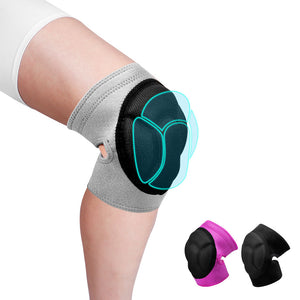
Best Knee Brace for Meniscus Tear and Arthritis
- Black
- Green
- Orange
- Pink
- Black
- Blue
- Green
- Red
- Orange
- Blue
- Dark Blue
- Black
- White
- Red
- Blue
- Black
- Blue
- Red
- Orange
- Yellow
- Black
- Blue
- Green
- Red
- Blue
- Black
- White
- Red
- Dark Blue
- Grey
- Black
- Blue
- Pink
- Grey
- Black
- White
- Light Black
- Black
- Light Grey
- Grey
- Magenta
- Black
- Green
- Black
- Grey
- Red
- Blue
Can You Have Arthritis and a Meniscus Tear?
Yes. These two conditions are distinct, but they frequently occur together, creating a frustrating cycle of chronic knee pain and limited mobility. Understanding how joint inflammation and cartilage injuries interact is absolutely essential for effective daily management, proper healing, and long-term joint protection.
Understanding the Connection Between Knee Arthritis and Meniscus Tears
To comprehend how these two knee conditions coexist, it helps to look at the mechanics of the knee joint.
What is Knee Osteoarthritis?
Arthritis is a broad condition characterized by joint inflammation. In the knee, the most common form is osteoarthritis. This degenerative joint disease develops when the smooth articular cartilage that cushions the ends of your bones slowly breaks down and wears away over time. As this protective layer degrades, patients experience chronic pain, debilitating stiffness, and noticeable swelling. Constant wear and tear also changes the knee's structure, making surrounding tissues more vulnerable to secondary injuries.
How Degenerative Meniscus Tears Happen
The meniscus is a tough, C-shaped piece of rubbery cartilage that acts as a vital shock absorber between your thigh bone and shin bone. While younger athletes often experience acute meniscus tears from sudden, forceful twisting movements, older adults frequently suffer from degenerative meniscus tears. These occur naturally with aging and the repetitive, daily stress on the knee joint. When you already have pre-existing arthritis, the compromised environment inside the knee makes the meniscus significantly more prone to tearing, even from simple daily activities like squatting or walking down stairs.
The Vicious Cycle: How One Condition Worsens the Other
When a meniscus tear and arthritis coexist, they create a complex clinical scenario in which each condition aggravates the other.
On one hand, arthritis contributes to severe joint instability and muscle weakness. Because the knee joint no longer glides smoothly, abnormal mechanical stress transfers directly to the meniscus, drastically increasing the risk of structural failure and tearing.
On the other hand, once the meniscus is torn, it loses its ability to properly distribute your body weight across the knee. This creates localized areas of high friction and pressure, adding immense stress to the already damaged and thinning arthritic cartilage. The result is a vicious cycle of heightened discomfort, increased joint stiffness, and accelerated joint degeneration.
Recognizing the Overlapping Symptoms
It can be difficult to tell which condition is causing your discomfort because the symptoms overlap so much. If you are dealing with a dual diagnosis, you will likely experience:
- A catching, locking, or popping sensation when bending the knee
- Sharp pain that worsens with weight-bearing activities
- Morning stiffness that gradually improves with gentle movement
- Visible swelling and fluid buildup around the kneecap
- A feeling that the knee might "give out" or buckle
Effective Management and Treatment Strategies
Because these conditions compound one another, managing them requires a comprehensive and proactive approach. Treatment plans typically focus on reducing joint load, minimizing inflammation, and strengthening the surrounding leg muscles through targeted physical therapy and low-impact exercises.
The Role of Targeted Knee Support
When managing both conditions at once, external joint support is a helpful tool. The right brace provides structural stability to reduce downward pressure on the torn meniscus, protecting it from further fraying or injury. At the same time, it supports the overall joint alignment to relieve the deep, aching discomfort caused by osteoarthritis.
A high-quality support garment that combines targeted cushioning with medical-grade compression can help manage swelling and promote healthy blood flow. Built-in side stabilizers also limit side-to-side movement and harmful twisting that could trigger a sudden flare-up. If you are navigating this frustrating combination of ailments, finding the best knee brace for meniscus tear and arthritis can be a crucial step in your recovery journey, helping you walk, climb stairs, and do daily tasks with more confidence.