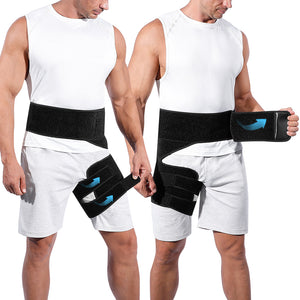
Brace for Overpronation
- Black
- Orange
- Green
- Pink
- Black
- Grey
- Blue
- Pink
- Purple
- Black
- Red
- Blue
- Orange
Is overpronation bad for your knees?
Yes, overpronation can be incredibly harmful to your knees. Because the human body functions as a connected kinetic chain, any structural or movement issues at your foundation—your feet—will inevitably impact the joints above them.
Overpronation occurs when the foot rolls inward excessively during weight-bearing activities such as walking, jogging, or running. While a slight inward roll (pronation) is a natural shock-absorbing mechanism, excessive rolling causes the arches to collapse. This forces the entire leg out of alignment, putting immense, unnatural stress on the knees.
Understanding the Foot-Knee Connection
To understand why flat feet or collapsing arches lead to knee pain, it helps to look at lower-body biomechanics. When your foot rolls inward excessively, it triggers a chain reaction. Your tibia (shin bone) and femur (thigh bone) are forced to rotate inward as well.
The knee is primarily a hinge joint; it is designed to bend forward and backward, not to twist side to side. When overpronation forces the knee into an internally rotated position, the joint tracks poorly. This misalignment creates friction, causes joint instability, and increases the daily wear and tear on your cartilage. Over time, this biomechanical flaw can transform a minor ache into a chronic, debilitating condition.
Common Knee Injuries Caused by Overpronation
If left unaddressed, the excessive inward rolling of the feet can accelerate the development of several painful knee conditions, including:
- Patellofemoral Pain Syndrome (Runner’s Knee): This is one of the most common complaints among overpronators. The inward rotation of the leg causes the kneecap (patella) to rub painfully against the thigh bone instead of gliding smoothly within its groove.
- Iliotibial (IT) Band Syndrome: The IT band runs down the outside of your thigh to your shin. Poor foot alignment stretches and pulls on this band, leading to sharp, burning pain on the outer side of the knee.
- Meniscus Damage and Early-Onset Arthritis: Chronic misalignment unevenly distributes your body weight across the knee joint. This places excessive pressure on the inner (medial) side of the knee, which can degrade the meniscus cartilage and accelerate joint degeneration.
Signs You Might Be Overpronating
Many people suffer from knee pain without realizing that their feet are the root cause. You might be overpronating if you notice the following signs:
- Your shoes wear out significantly faster on the inside edge of the soles.
- You have visible flat feet or very low arches when standing.
- You experience persistent knee, hip, or lower back pain after walking or running.
- Your knees naturally collapse inward when you perform a squat.
How to Fix Overpronation and Protect Your Knees
The good news is that overpronation is highly manageable. By correcting the alignment of your feet, you can immediately reduce the twisting forces applied to your knees.
Targeted Arch Support
One of the most effective and accessible ways to manage this condition is by utilizing a brace for overpronation. This targeted type of support wraps around the midfoot to gently lift the arch, preventing the foot from collapsing inward during the gait cycle. By acting as an external stabilizer, it helps your foot maintain a healthy, neutral position.
Distributing Pressure During Activity
When you correct your foot posture, you instantly improve your kneecap tracking. Wearing braces for overpronation actively helps distribute impact pressure more evenly across your entire lower leg. This alleviates concentrated strain on the knee cartilage, drastically reducing your risk of injury. If you are prone to joint discomfort, adding this simple layer of support can make a world of difference during physical activity, daily commutes, or long shifts on your feet.
Strengthening Foot and Leg Muscles
Alongside external support, performing targeted strengthening exercises can build up the muscles that naturally support your arches. Calf raises, towel scrunches with your toes, and glute-strengthening exercises (like clamshells and bridges) help prevent the leg from rotating inward, offering a long-term defense against joint pain.
Overpronation is much more than just a foot problem—it is a leading culprit behind persistent knee discomfort. By recognizing the signs early and taking proactive steps to correct your foot alignment, you can stop the unnatural twisting forces from damaging your joints. Supporting your foundation ensures that your knees stay healthy, pain-free, and ready to carry you through your daily life without limitation.