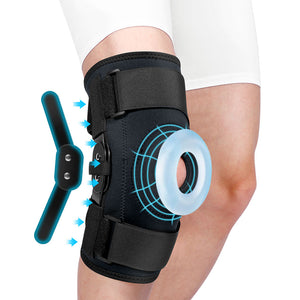
Compression Elbow Brace
- Black
- Grey
- Blue
- Purple
- Pink
- Black
- Dusty Blue
- Blue
- Pink
- White
- Pink
- White
- Yellow
- Purple
- Black
- Black
- Grey
- Grey
- Black
- Blue
- Grey
- Blue
- Black
- Black
- Blue
How Tight Should an Elbow Compression Brace Be?
When it comes to managing joint discomfort, recovering from sports injuries, or soothing conditions such as tendonitis, bursitis, golfer's elbow, and tennis elbow, using a compression elbow brace can be an incredibly effective strategy. This simple yet powerful tool promotes faster recovery, enhances athletic performance, and significantly alleviates daily pain. However, a common question arises for many individuals: determining exactly how tight the support should be.
Understanding the Role of Joint Support
An elbow brace is fundamentally designed to provide targeted support and structural stability to the complex elbow joint, all while enhancing circulation to the affected area. This increased blood flow is the cornerstone of healing; it helps accelerate the body's natural recovery process by delivering essential nutrients and oxygen-rich blood deep into injured ligaments, tendons, and muscle tissue.
The localized pressure helps reduce debilitating swelling and joint inflammation. This makes compression therapy a highly valuable tool not just for professional athletes, but for everyday individuals recovering from repetitive strain injuries, heavy lifting, or simply the wear and tear of daily activities.
Finding the Perfect Fit
Regarding the overall fit and sizing of elbow braces, it is absolutely essential to strike a delicate balance between supportive tightness and all-day comfort. The fabric should be snug enough to provide adequate, therapeutic compression without causing discomfort, localized numbness, or a tingling "pins and needles" sensation radiating down into your fingers or forearm.
An overly restrictive fit can actually do more harm than good. If the sleeve aggressively bites into your skin, it can restrict healthy arterial blood flow and lead to additional circulatory complications. This restriction traps lactic acid and metabolic waste in the arm, which can completely counter the injury-healing process and increase muscle stiffness.
The Finger Slide Test
How can you be certain your fit is perfectly calibrated? When putting on your compression elbow braces, you should perform a simple manual check. You should be able to slide one finger snugly under the fabric's top and bottom edges with some mild resistance.
A good rule of thumb is to feel a gentle yet firm "hugging" pressure around the entire elbow area. This pressure should never be so tight that it restricts your natural movement, causes throbbing pain, or leaves deep red grooves on your skin after removal. Ideally, the support should help stabilize your arm and absorb shock during physical tasks without hindering your normal, healthy range of motion.
Warning Signs Your Fit is Too Tight
To ensure you are reaping the maximum benefits from your arm support, always pay close attention to the following physical red flags:
- Numbness and Tingling: A sensation of your arm or hand "falling asleep" indicates nerve compression.
- Color Changes: If your fingers turn pale, bluish, or excessively red, your circulation is being compromised.
- Temperature Drops: A cold hand or forearm is a clear sign that warm, oxygenated blood is struggling to reach your extremities.
- Increased Throbbing: Instead of pain relief, a sleeve that is sized too small may cause a localized, uncomfortable throbbing sensation directly at the joint.
If you experience any of these symptoms, remove the sleeve immediately to let your arm breathe, and consider sizing up to a more appropriate fit.
How Duration and Activity Influence Tightness
The duration of wear and your daily activity level can also heavily influence how tight your support should be. For prolonged, all-day use—such as typing at a desk, driving, or running standard errands—it is highly advisable to wear the brace at a slightly looser, more comfortable fit.
Conversely, you may want to switch to a tighter, more secure fit during strenuous activities that require enhanced joint stabilization, such as weightlifting, playing tennis, or engaging in manual labor. Customizing your compression level based on what you are doing ensures your joint is protected exactly when it faces the most physical stress.
Always remember to listen to your body. If you feel sudden discomfort or if the wrapped area becomes uncomfortably hot, itchy, or numb, these are undeniable signs that the fabric is pulling too tightly against your skin.