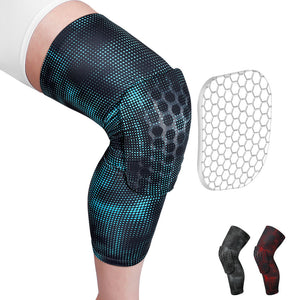
Elbow Brace for Tennis Elbow
- Black
- Grey
- Blue
- Purple
- Pink
- Black
- Dusty Blue
- Blue
- Pink
- White
- Pink
- White
- Yellow
- Purple
- Black
- Black
- Grey
- Grey
- Black
- Blue
- Grey
- Blue
- Black
- Black
- Blue
Is There a Brace for Tennis Elbow?
If you are experiencing sharp, persistent pain on the outside of your arm, you might be wondering how to find relief. Tennis elbow, clinically known as lateral epicondylitis, is an incredibly common condition that causes severe pain and inflammation along the outer side of the elbow joint. Despite its name, you do not have to be a professional athlete to suffer from it. Repetitive arm and wrist motions from everyday activities like typing at a desk, painting, carpentry, or playing racquet sports can trigger this painful ailment.
Understanding Tennis Elbow and Its Symptoms
Before finding the perfect solution, it helps to understand what is happening beneath the skin. Lateral epicondylitis occurs when the tendons that join your forearm muscles to the outside of your elbow experience micro-tears and become inflamed due to overuse.
Common symptoms include:
- A persistent burning sensation or dull ache in the outer part of the elbow.
- Weakened grip strength, especially noticeable when shaking hands, holding a coffee mug, or turning a doorknob.
- Increased joint stiffness, particularly in the morning.
- Discomfort that radiates down your forearm toward your wrist.
Millions of adults deal with this frustrating condition every year. It can disrupt daily routines, making both work and leisure activities difficult to enjoy.
Tennis Elbow vs. Golfer’s Elbow
While they share similar causes, tennis elbow affects the outer (lateral) epicondyle tendon, whereas golfer’s elbow (medial epicondylitis) affects the inner (medial) epicondyle tendon. Knowing exactly where your pain is located will help you position your support correctly.
How an Elbow Brace Works for Lateral Epicondylitis
When you wear a supportive strap or sleeve, you change how your muscles and tendons absorb shock. A dedicated elbow brace for tennis elbow applies targeted compression to the upper forearm, just below the elbow crease.
This precise, localized pressure effectively creates a new anchor point for the tendon. By absorbing tension and distributing stress across the joint, the support greatly reduces the load on the injured area. This not only minimizes pain during daily activities but also provides essential joint stability and protection while the micro-tears heal over time.
Types of Braces for Tennis Elbow Relief
Depending on your activity level and the severity of your joint pain, different support styles can offer distinct benefits.
Forearm Compression Straps
Forearm bands or straps are typically the most highly recommended design for lateral epicondylitis. They feature an adjustable strap with a raised pressure pad that targets the extensor muscle directly. Because they are exceptionally lightweight and allow for a full range of motion, they are perfect for daily use—whether you are typing on a keyboard or swinging a racquet on the court.
Compression Sleeves
An elbow sleeve pulls up over the entire joint to provide uniform, 360-degree compression and soothing warmth. This increased blood flow can help reduce joint stiffness and speed recovery. Many people prefer sleeves for general support during weightlifting and fitness routines, as they fit snugly under clothing.
Hinged Elbow Supports
For more severe cases or after a significant strain, a doctor may recommend hinged braces. These provide rigid, structured support to prevent hyperextension and offer maximum stabilization. While bulkier than straps and sleeves, they are an excellent short-term option when your arm requires serious rest and immobility.
How to Choose the Right Support
When shopping for joint relief, keeping a few essential factors in mind will ensure you get the most out of your recovery journey:
- Proper Fit and Sizing: Your support should fit snugly but never be overly constrictive. A strap that is too tight can impede circulation and cause numbness, while one that is too loose won't provide adequate relief. Always measure your forearm circumference before deciding.
- Breathable Materials: Look for fabrics that are well-ventilated and moisture-wicking. If you plan to wear the support for extended periods, especially during sweaty workouts or hot summer days, skin-friendly materials will greatly improve your comfort.
- Adjustability: Opt for designs with secure hook-and-loop closures. This lets you easily adjust the compression level as your pain changes throughout the day.
Tips for Properly Wearing Your Brace
A common mistake is placing the strap directly over the painful elbow bone. For best results, place the compression pad about 1 to 2 inches below the crease of your elbow, on the thickest part of the upper forearm muscle. Fasten it tightly enough to feel supportive pressure when you flex your wrist, but not so tight that it cuts off blood flow or causes tingling.
A Comprehensive Approach to Recovery
While an elbow brace for tennis elbow can significantly aid your rehabilitation, view it as one piece of a larger, holistic puzzle. To achieve long-term healing, consider incorporating these additional treatment methods:
- Rest and Activity Modification: Take a break from the repetitive, strenuous motions that caused the injury.
- Ice Therapy: Applying an ice pack to the outer elbow for 15 to 20 minutes after physical activity can help restrict blood vessels, naturally reducing inflammation and numbing localized pain.
- Physical Therapy: Specific stretching and strengthening exercises for the forearm extensors can build muscle resilience and help prevent future flare-ups.
- Ergonomic Adjustments: If desk work caused your condition, upgrading your workstation with an ergonomic keyboard and mouse can greatly relieve wrist and elbow strain.
Always consult a healthcare professional or physical therapist to ensure you choose the right recovery tools, get a proper diagnosis, and do the correct strengthening exercises.