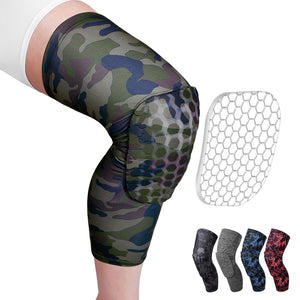
Elbow Support Band
- Black
- Grey
- Blue
- Purple
- Pink
- Black
- Dusty Blue
- Blue
- Pink
- White
- Pink
- White
- Yellow
- Purple
- Black
- Black
- Grey
- Grey
- Black
- Blue
- Grey
- Blue
- Black
- Black
- Blue
Are Resistance Bands Good for Elbow Pain?
Living with joint discomfort can significantly hinder your daily activities, sports performance, and overall fitness routines. If you are looking for an effective, conservative approach to rehabilitation, you might be wondering: are elastic fitness bands an effective solution?
Yes, resistance bands are excellent for elbow pain. Used correctly, they offer a highly effective, non-invasive way to ease discomfort, support recovery, and help prevent future injuries. Whether you are dealing with common conditions like tennis elbow (lateral epicondylitis), golfer's elbow (medial epicondylitis), or general wear and tear, these versatile tools offer many restorative benefits.
Key Benefits of Resistance Training for Joint Discomfort
Strengthening Supporting Muscles and Tendons
One of the primary reasons joint pain occurs is muscular imbalances or weakness in the surrounding area. Resistance bands can be used to perform targeted exercises that engage the muscles around the joint. This includes the biceps, triceps, forearm muscles, and even the stabilizing muscles located in the shoulder.
Strengthening this entire muscular chain provides much stronger support for the delicate joint structures. For example, performing slow, controlled upper arm curls with a resistance band increases muscle resilience. This added strength shifts the load away from the joint during repetitive daily activities or dynamic sports movements, directly reducing pain caused by muscle weakness or imbalance.
Furthermore, isolating the forearm muscles through wrist flexion and extension exercises helps rebuild diminished grip strength. Improving the stability of your entire arm structure is highly beneficial for individuals experiencing discomfort from repetitive overuse or minor strains.
Enhancing Range of Motion and Flexibility
Joint stiffness is a frequent byproduct of inflammation and inactivity following a minor injury. Elastic bands are highly effective for gentle stretching and mobility exercises.
For instance, by securely looping an arm band for elbow pain around a fixed, sturdy anchor point, you can use the elastic tension to help your arm slowly extend or flex. This controlled movement gently stretches tight ligaments and tendons, helping to dramatically improve the overall range of motion. This therapeutic approach is particularly useful for people who have experienced recent upper extremity injuries and are dealing with lingering stiffness or restricted mobility. Gradually increasing your range of motion in a safe, controlled way accelerates pain reduction and helps restore normal, pain-free arm function.
A Safe, Low-Impact Exercise Option
When rehabilitating an injury, heavy weightlifting with dumbbells or high-intensity workouts can easily aggravate existing joint pain and delay healing. Resistance band workouts offer a remarkably safe, low-impact alternative.
Unlike free weights, which rely on gravity and can place sudden, jarring stress on vulnerable tendons, elastic bands provide smooth, linear, and continuous tension throughout the entire movement. This unique form of progressive resistance allows individuals to perform physical therapy exercises at their own comfortable pace. You can easily adjust the tension level to match your current recovery stage, gradually building functional strength and flexibility without putting excessive or dangerous stress on an already irritated joint.
Common Conditions Aided by Elastic Band Therapy
Incorporating targeted band exercises into a daily physical therapy routine can assist in relieving symptoms associated with several common ailments:
- Tennis Elbow: Relieves outer joint pain by strengthening the forearm extensors.
- Golfer’s Elbow: Targets inner joint discomfort by fortifying the forearm flexors.
- General Tendonitis: Promotes blood flow to irritated tendons, encouraging natural healing.
- Post-Injury Rehabilitation: Safely rebuilds atrophied muscles after periods of immobilization.
A Smart Addition to Your Recovery Routine
In general, using a resistance elbow armband can be highly effective for elbow pain when done with proper form and consistency. They are highly recommended when discomfort stems from relatively minor, non-surgical issues such as muscle weakness, mild joint stiffness, tendonitis, or general overuse. By focusing on low-impact strengthening and mobility, you can rehabilitate your arm, regain your active lifestyle, and keep future joint pain at bay.