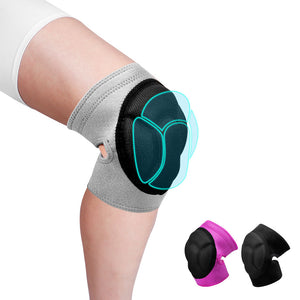
Elbow Support Sleeve
- Black
- Grey
- Blue
- Purple
- Pink
- Black
- Dusty Blue
- Blue
- Pink
- White
- Pink
- White
- Yellow
- Purple
- Black
- Black
- Grey
- Grey
- Black
- Blue
- Grey
- Blue
- Black
- Black
- Blue
Will a Compression Sleeve Help Elbow Pain?
Experiencing discomfort in your arm joints can make simple daily tasks feel impossible. Whether you are struggling with a sports injury, repetitive strain from a desk job, or general joint stiffness, you might be wondering: will a compression sleeve help elbow pain? The short answer is yes. Utilizing targeted compression therapy offers a highly effective, non-invasive way to manage discomfort, increase mobility, and promote faster recovery.
By combining soothing warmth, structural support, and localized pressure, these garments have become an essential recovery tool for athletes, office workers, and active individuals alike. Let us dive deeper into how a compression elbow sleeve can alleviate your symptoms and help you get back to your favorite activities pain-free.
Key Benefits of Wearing a Compression Garment on Your Elbow
1. Reduced Swelling and Inflammation
When you suffer from overuse conditions—such as lateral epicondylitis (tennis elbow) or medial epicondylitis (golfer's elbow)—micro-tears in the tendons trigger your body’s natural inflammatory response. This often leads to painful fluid buildup in the surrounding joint tissues. Compression garments apply firm but gentle pressure around the affected area. This continuous pressure acts as a physical barrier, limiting excess fluid buildup and helping your lymphatic system flush out existing swelling. By reducing inflammation, you can expect a significant drop in joint stiffness and throbbing discomfort.
2. Improved Blood Circulation for Faster Healing
Proper circulation is the absolute cornerstone of soft tissue recovery. The graduated pressure from an elbow compression sleeve works dynamically to enhance healthy blood flow throughout the arm. Better circulation means that oxygen-rich blood and vital healing nutrients are delivered much more effectively to damaged or inflamed ligaments. This faster nutrient delivery supports cellular healing and helps flush out cellular waste products, which can contribute to muscle soreness and delayed recovery.
3. Essential Joint Support and Muscle Stability
Your elbow is a complex hinge joint surrounded by an intricate network of muscles, tendons, and ligaments. When you are injured or experiencing chronic aches, this structural network becomes vulnerable. A snug sleeve provides essential structural support to these anatomical features. This added stability helps when you do activities that put acute stress on the joint, such as lifting heavy objects, playing racket sports, or doing repetitive manual labor. The fabric acts as a supportive exoskeleton, distributing forces more evenly across the joint and reducing strain on the areas triggering your pain.
4. Positive Neurological Effects on Pain Perception
Beyond the mechanical and circulatory benefits, compression therapy also plays a fascinating role in how your nervous system processes discomfort. The continuous, tactile sensation of the fabric hugging your skin creates a neurological distraction—often referred to as the "Gate Control Theory" of pain. By stimulating sensory receptors on the surface of your arm, the gentle compression can interfere with pain signals traveling to your brain. This phenomenon can make sharp or aching pain feel noticeably less intense, allowing for more comfortable, confident movement.
Common Conditions That Respond Well to Compression Therapy
If you are dealing with any of the following ailments, adding targeted joint compression to your daily routine can yield excellent relief:
- Tennis Elbow and Golfer's Elbow: Overuse injuries causing severe tendon inflammation on the outside or inside of the joint.
- Joint Bursitis: Painful inflammation of the fluid-filled sacs that cushion the joint bones.
- General Joint Aches and Arthritis: Age-related wear and tear that causes daily morning stiffness and restricted mobility.
- Weightlifting Strain: Muscle fatigue and connective tissue stress caused by heavy pressing and pulling movements in the gym.
- Typing and Desk Work Fatigue: Repetitive strain injuries caused by poor ergonomics and long hours at a keyboard.
Maximizing the Benefits for Your Recovery
To get the best results for your joint health, wear the correct size. A garment that is too loose will not provide the necessary circulatory benefits or stability, while one that is excessively tight could restrict healthy blood flow. Aim for a snug, second-skin fit that offers firm support without causing numbness or tingling in your fingers.
Targeted joint compression is a fantastic, non-invasive adjunct tool in managing minor soft tissue injuries and chronic overuse conditions. By naturally reducing swelling, boosting essential blood flow, and providing dependable structural support, it helps you manage pain and speed your recovery.