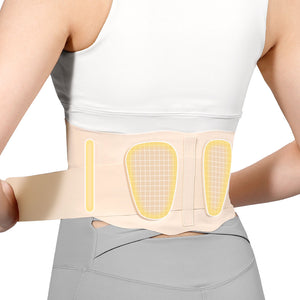
Elbow Wrap for Tendonitis
- Grey
- Blue
- Black
- Grey
- Black
- Blue
- Pink
- White
- Yellow
- Purple
- Black
- Black
- Grey
- Blue
- Purple
- Pink
- Black
- Blue
- Black
- Grey
- Black
- Dusty Blue
- Blue
- Pink
- White
What Not to Do with Elbow Tendonitis?
Elbow tendonitis, commonly recognized as tennis elbow (lateral epicondylitis) or golfer’s elbow (medial epicondylitis), is a painful and restrictive condition caused by inflammation or micro-tearing of the tendons that connect the forearm muscles to the elbow joint. This stiffness and joint pain can severely affect your daily routine, from gripping objects to doing basic household tasks. While many people focus on the best recovery remedies, understanding what to avoid is just as important. Preventing further damage is the essential first step toward effective healing.
Here are the critical mistakes you should avoid doing if you have elbow tendonitis:
The Worst Mistakes for Elbow Tendonitis
1. Engaging in Heavy Lifting
One of the most detrimental things you can do is subject your arms to excessive loads. Strictly avoid lifting objects that are too heavy for your current condition. Carrying heavy loads puts immense additional strain on the already inflamed tendons around the elbow. Even seemingly simple daily tasks, such as hauling heavy grocery bags, moving furniture, or lifting weights at the gym that are beyond your comfortable capacity, can dramatically exacerbate the problem. Instead of risking a severe tear, ask for assistance or use mechanical aids like a rolling cart to minimize joint stress.
2. Pushing Through the Pain
The "no pain, no gain" mentality is a massive trap when dealing with joint and tendon injuries. Many people make the dangerous mistake of thinking that if they keep going and bravely endure the discomfort, it will eventually go away on its own. However, with elbow tendonitis, ignoring your body’s warning signals and continuing activities that hurt will only worsen inflammation and accelerate tendon damage. For instance, if it hurts when you play a round of golf, swing a tennis racket, or even type on a keyboard, pushing through can lead to a more serious, chronic, long-lasting condition that requires extensive intervention.
3. Delaying Professional Treatment
Denial is the enemy of recovery. Don't put off seeing a doctor or starting an appropriate physical therapy program. Early intervention is the cornerstone of a quicker, smoother recovery. If you wait weeks or even months to address the persistent ache in your arm, the tendinitis might progress from an acute inflammatory response to a chronic degenerative condition known as tendinosis, which becomes much harder to treat effectively.
4. Overdoing Rehabilitation Exercises
While physical therapy is essential, more is not always better. Doing too much too soon with your prescribed rehabilitation exercises can also be incredibly harmful. Tendons require ample time to adapt and repair. Gradually increase the intensity, resistance, and repetitions as your elbow heals. If you push yourself too hard or skip essential rest days, you might cause further micro-trauma to the already inflamed tendons, setting your recovery back by weeks.
Proactive Steps: What to Do for Elbow Tendonitis
Now that you know what to avoid, how should you actively manage the discomfort? Here are highly effective strategies to incorporate into your recovery plan.
Take Regular Breaks
Repetitive strain is a primary driver of tendon issues. If your work or daily activities involve repetitive elbow movements—such as continuous typing, painting, or using manual tools—take regular, scheduled breaks. For example, if you're an office worker tied to a desk, stand up, stretch your arms, and rest your elbows every hour or so. Improving your workstation ergonomics and allowing for downtime helps reduce the continuous, accumulating strain on the affected tendons.
Utilize Proper Joint Supports
External support for the affected area can improve comfort and speed recovery. Consider incorporating elbow wraps to alleviate tendonitis symptoms throughout your busy day. High-quality supports provide the compression the elbow joint needs, helping relieve localized stress on overworked tendons. For conditions like tennis elbow, an elbow compression wrap worn a couple of inches below the elbow crease can be highly effective. This targeted pressure helps distribute the mechanical load away from the inflamed tendon attachment point, giving it the environment it needs to heal.
Gentle and Consistent Stretching
Maintaining flexibility is vital for long-term tendon health. Perform gentle stretching exercises for the forearm muscles and elbow tendons to encourage blood flow and help prevent future injury.
- Wrist Extensor Stretch: With the affected arm extended straight out in front of you, use your other hand to gently pull your fingers downward and back toward your body to stretch the muscles on the top of the forearm.
- Wrist Flexor Stretch: Slowly bend your wrist upward (like signaling someone to stop) and gently pull the fingers back to stretch the underside muscles.
Hold each of these stretches for 15 to 30 seconds. Do these stretches several times a day to maintain flexibility and relieve accumulated tension. Always ensure you stretch only to the point of mild tension, never into the realm of sharp pain.
Apply Cold Therapy
During acute flare-ups, apply an ice pack wrapped in a thin towel to the affected area for 15 to 20 minutes to reduce swelling and numb sharp pain. Cold therapy constricts blood vessels, minimizing the inflammatory response that causes throbbing and daily discomfort.
By avoiding harmful habits and following these steps, you can manage elbow tendonitis and support optimal healing of the affected tendons. Listen to your body, prioritize rest, and allow your arms the time they need to fully recover.