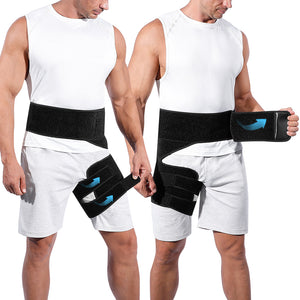
Extra Large Knee Brace
- Black
- Green
- Orange
- Pink
- Black
- Blue
- Green
- Red
- Orange
- Blue
- Dark Blue
- Black
- White
- Red
- Blue
- Black
- Blue
- Green
- Red
- Dark Blue
- Grey
- Black
- Blue
- Pink
- Grey
- Black
- White
- Light Black
- Black
- Light Grey
- Grey
- Magenta
- Black
How Do You Know if Your Knee Brace Is Too Big?
Wearing the proper joint support is essential for stability, pain management, and a safe recovery from an injury. However, finding the perfect fit can be frustrating. When you wear a support that is sized incorrectly, it not only fails to protect your joint but can also introduce new problems. If you are wondering whether your gear is too loose, look for these key indicators.
Top Signs Your Knee Support Is Too Large
Recognizing the signs of an oversized fit early on can save you from unnecessary pain and setbacks in your physical therapy or daily routine. Here are the most common ways to tell if your gear is simply too big:
Persistent Chafing and Skin Irritation
If the garment is too large, it can cause severe chafing. Excess fabric or material may rub against sensitive skin around the joint, especially during movement. This constant friction can cause redness, soreness, and, in severe cases, painful open sores. For example, when you walk, squat, or bend your leg, the loose edges of a knee immobilizer brace can continuously scrape against the skin on the back of your leg or along the sides. This causes immense discomfort and potential skin damage that can interrupt your recovery timeline.
Uneven Pressure Points
A support that is too big won't distribute pressure evenly across the leg. Instead, it can create sharp pressure points in areas where the structure is too loose, bunched up, or misaligned. You might feel a sharp, stabbing, or uncomfortable pressure on a particular part of your patella or calf. This happens because the garment doesn't fit snugly enough to match the exact anatomical shape of your leg. As a result, the compressive force concentrates in specific, isolated spots rather than spreading evenly across the entire joint complex.
Slipping During Daily Activities
Constant slipping is a major red flag. Even during simple daily activities such as climbing stairs, walking the dog, or getting up from a chair, an oversized support can make your joint feel incredibly vulnerable. If a metal knee brace doesn't fit correctly and slides down your leg, it won't support proper alignment of your ligaments and tendons. You may experience more pain, a frustrating sense of instability, or popping sensations during routine movements, ultimately defeating the purpose of wearing the gear in the first place.
How to Adjust Your Gear for a Perfect Fit
If you have realized your support might be a bit too roomy, you do not necessarily need to replace it immediately. Knowing how to correctly adjust the size and tension can make a world of difference in how it fits and functions.
Identify Adjustable Straps
Fortunately, most premium knee metal braces come equipped with highly customizable strapping systems designed to accommodate varying leg shapes. These straps are usually constructed from a durable, stretch-resistant material like heavy-duty nylon and feature buckles or strong hook-and-loop closures. Take a moment to locate all of these straps, which are typically situated on the lateral sides, as well as wrapped around the top (thigh) and bottom (calf) sections of the garment.
Tighten the Straps Systematically
For a better, more secure fit, start by tightening the straps one at a time, working from the bottom strap up toward the thigh. When tightening, make sure the patella opening stays centered on the kneecap. Pull the strap through the buckle or press the closure firmly to achieve a snug, compressive fit.
However, you must be careful not to over-tighten, as extreme compression can severely restrict blood circulation, cause numbness, and create further discomfort. A good rule of thumb is to ensure you can slide exactly one finger between the strap and your skin; this guarantees the tension is secure but not dangerously tight.
Ensure Proper Alignment of Joints
For hinged designs, alignment is everything. Make sure the mechanical joints, such as where the straps connect to the main rigid body of the knee brace splint, are properly aligned with your own natural anatomy. The hinges should sit perfectly parallel to the sides of your joint and bend precisely where your natural pivot point is. If they are misaligned or sit too high or low, the entire apparatus may fit poorly and restrict your range of motion. Adjust these mechanical joints by fully loosening the straps, shifting the frame into the correct anatomical position, then securely refastening the straps.
Why Proper Sizing Matters for Your Joint Health
Taking the time to ensure your gear fits properly is about more than just everyday comfort. A properly sized support provides the compression needed to reduce swelling, promotes healthy blood flow, and offers the structural integrity required to prevent hyperextension or lateral shifting. By paying close attention to chafing, pressure distribution, and proper strap adjustment, you can maximize mobility and keep recovery on track.