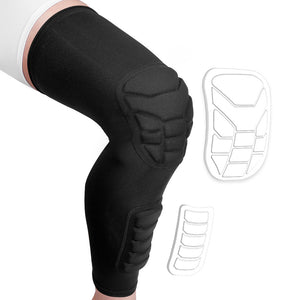
Knee Immobilizer Brace
- Black
- Green
- Orange
- Pink
- Black
- Blue
- Green
- Red
- Orange
- Blue
- Dark Blue
- Black
- White
- Red
- Blue
- Black
- Blue
- Green
- Red
- Dark Blue
- Grey
- Black
- Blue
- Pink
- Grey
- Black
- White
- Light Black
- Black
- Light Grey
- Grey
- Magenta
- Black
What is a Knee Immobilizer Brace Used For?
When facing a severe lower body injury or navigating the complexities of orthopedic rehabilitation, stabilizing the affected joint is crucial for a successful recovery. A knee immobilizer brace is a highly specialized support device explicitly designed to strictly limit or entirely restrict movement in the knee joint. Unlike flexible sleeves or hinged supports that allow a controlled range of motion, this rigid device keeps the leg in a straight, locked position.
Its primary purpose spans across various stages of orthopedic care, injury management, and post-operative recovery, making it an indispensable tool for regaining joint health. By preventing unwanted motion, the device helps minimize the risk of further tissue damage and establishes the optimal environment for the body’s natural healing process to commence.
Crucial Post-Injury Stabilization
In the immediate aftermath of acute joint trauma, securing the leg is the highest priority. When an individual suffers from severe ligament injuries, such as an anterior cruciate ligament (ACL) tear, a medial collateral ligament (MCL) sprain, or a posterior cruciate ligament (PCL) injury, any accidental bending or twisting can exacerbate the structural damage.
During this initial acute recovery phase, the immobilizer serves as an external skeletal support. By locking the leg in extension (straight out), this position significantly reduces the mechanical stress on freshly torn ligaments and damaged tissues. This strict limitation of movement is essential not only for physical stability but also for rapidly reducing the severe pain and inflammation that accompany traumatic sports injuries, falls, or workplace accidents.
Essential Post-Surgical Support and Rehabilitation
Following orthopedic surgery, precise immobilization becomes a non-negotiable aspect of the healing protocol. Surgeons frequently prescribe this restrictive support after a variety of invasive procedures, including:
Arthroscopic Procedures and Meniscus Repairs
After arthroscopy or delicate meniscus stitching, the joint space is highly vulnerable. Keeping the leg perfectly straight prevents the newly repaired tissues from stretching or tearing before they have time to properly fuse and heal.
Joint Replacement Surgery
In the early days following total or partial knee replacement surgery, keeping the joint in a fixed, stable position helps mitigate intense postoperative pain and minimizes localized swelling (edema). It drastically reduces the risk of joint dislocation or accidental reinjury while navigating everyday tasks or moving around the home.
Tendon and Ligament Reconstruction
For major reconstructive procedures, the repaired tendons require absolute stillness to anchor correctly. An immobilizing support ensures that sudden muscle spasms or involuntary reflexes do not compromise the surgical site.
Managing Chronic Joint Conditions and Instability
While heavily associated with acute trauma and surgery, complete joint restriction also offers profound benefits for individuals suffering from specific chronic musculoskeletal conditions.
Patellar Instability and Dislocation
For those who experience frequent kneecap tracking issues or patellar subluxation (where the kneecap repeatedly slips out of its designated groove), bending the leg can be incredibly painful and dangerous. Immobilizing the joint prevents the kneecap from shifting laterally, providing immediate relief and preventing recurrent dislocations.
Severe Arthritis Flare-Ups
During severe episodes of osteoarthritis or rheumatoid arthritis, even the slightest joint friction can trigger excruciating pain. By locking the joint in place, the support reduces bone grinding and cartilage degeneration, offering temporary pain relief and a deep sense of security for those whose legs feel weak or prone to sudden buckling.
Key Design Features for Comfort and Recovery
Because recovery requires patients to wear these devices for extended periods, modern immobilizing support designs are carefully engineered to balance rigid structural integrity with premium patient comfort.
Rigid Stays and Splints
The core restricting power comes from rigid metal or high-density composite stays located along the back (posterior) and sides (lateral and medial) of the leg. These rigid columns physically prevent the joint from bending.
Breathable and Lightweight Materials
To prevent excessive sweating, skin irritation, and discomfort, these devices are typically constructed from highly breathable, moisture-wicking fabrics. The lightweight nature of the materials ensures that the user is not weighed down, making walking with crutches significantly easier.
Customizable Strap Systems
Swelling often fluctuates throughout the day, increasing in the evening or after physical exertion. These devices feature adjustable hook-and-loop fastening straps that secure the padding tightly around the calf and thigh. This allows the user to adjust the fit to accommodate changes in fluid retention, ensuring the device remains securely in place during rehabilitation exercises or while resting.
Best Practices for Daily Use and Sleeping
A common challenge during rehabilitation is maintaining joint safety during sleep. Wearing an immobilizing support to bed is frequently required, as individuals cannot control their involuntary movements while asleep. The device prevents the user from accidentally curling into a fetal position or twisting the leg under heavy blankets, which could otherwise undo weeks of healing progress.