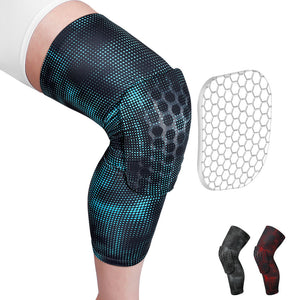
Knee Brace for Bursitis
- Black
- Green
- Orange
- Pink
- Black
- Blue
- Green
- Red
- Orange
- Blue
- Dark Blue
- Black
- White
- Red
- Blue
- Black
- Blue
- Red
- Orange
- Yellow
- Black
- Blue
- Green
- Red
- Blue
- Black
- White
- Red
- Dark Blue
- Grey
- Black
- Blue
- Pink
- Grey
- Black
- White
- Light Black
- Black
- Light Grey
- Grey
- Magenta
- Black
- Green
- Black
- Grey
- Red
- Blue
Is it OK to Bend Knee with Bursitis?
If you are dealing with a swollen, aching knee, you might be wondering how much movement is safe for your recovery. Specifically, is it okay to bend your knee when you are suffering from bursitis? The short answer is yes: a knee with bursitis can be bent, but it often causes noticeable pain and discomfort. Knowing how to manage this movement while protecting your joint is essential for healing and maintaining your mobility.
Understanding Knee Bursitis and Joint Inflammation
To comprehend why bending hurts, it is helpful to know exactly what is happening inside the joint. Bursitis refers to the inflammation of the bursa. A bursa is a small, fluid-filled sac that acts as a gliding cushion to reduce friction between moving tissues, protecting the bones, tendons, and muscles around your joints.
When this sac becomes inflamed—often due to repetitive kneeling, sudden impact, joint stress, or excessive friction—it fills with excess fluid and swells. This results in a localized condition known as knee bursitis, which frequently manifests as a visible bump, redness, and a warm sensation over the kneecap.
Why Does Bending the Knee Cause Pain?
When you bend a knee affected by bursitis, the inflamed bursa is naturally compressed by the surrounding anatomical structures. This mechanical compression increases the pressure inside the fluid-filled sac, directly leading to sharp or aching pain.
While maintaining a normal range of motion is important to prevent joint stiffness and muscle atrophy, forcefully bending the knee or engaging in heavy physical activities can aggravate the swelling. The ultimate goal is to find a healthy balance between gentle mobility and adequate rest, ensuring you do not overwork the inflamed tissues.
Effective Ways to Protect Your Joint During Movement
Since staying completely immobile is rarely practical for daily life, finding ways to physically support your knee during routine activities is crucial. Wearing specialized joint support can be incredibly beneficial when you need to walk, climb stairs, or bend your knee throughout the day.
Incorporating a knee brace for bursitis provides targeted, reliable support to the knee joint. This type of supportive gear is designed to reduce localized pressure on the inflamed bursa during movement, allowing you to go about your day with greater confidence and significantly less discomfort.
How Compressive Support Helps Reduce Swelling
There are several different styles of knee supports that cater to inflamed joints. For instance, a compressive sleeve applies gentle, even pressure around the entire knee complex. This continuous compression is excellent for promoting healthy blood circulation, which can help flush excess fluid and reduce swelling. Furthermore, a supportive brace offers vital stability to the joint, preventing the erratic, twisting, or excessive movements that could further irritate a highly sensitive bursa.
The Role of Padding and Pressure Distribution
Beyond basic joint compression, some knee supports feature specialized ergonomic designs or strategically placed front padding. These built-in cushioning systems work to distribute mechanical pressure more evenly across the broader knee area. By shifting the heavy load away from the primary point of inflammation, these design features significantly alleviate the sharp pain caused by concentrated pressure on the bursa. This makes routine activities like walking, squatting gently, or bending the knee far more comfortable.
Additional Tips for Managing Knee Bursitis at Home
In addition to utilizing proper physical support, incorporating healthy habits can keep joint pain at bay and accelerate your recovery process:
- Avoid Prolonged Kneeling: Direct pressure on the kneecap is a primary trigger of bursitis. If you must kneel for work or chores, always use a thick foam cushion or a kneeling pad to absorb the hard impact.
- Apply Cold Therapy: Place an ice pack, wrapped in a soft cloth, over the swollen area for 15 to 20 minutes, several times a day, to help constrict blood vessels, numb the pain, and reduce active inflammation.
- Elevate the Leg: Whenever you are resting on the couch or in bed, prop your leg up on a few pillows. Elevating the affected joint above heart level utilizes gravity to encourage fluid drainage and minimize throbbing swelling.
- Pace Your Activities: Always listen to your body. If bending the joint starts to cause a sharp increase in pain, it is a clear biological signal to stop, rest, and modify your movements.
While it is entirely possible to bend your knee when dealing with bursitis, doing so without proper caution can prolong your discomfort. By pairing mindful, gentle movements with the right protective support and resting strategies, you can safely navigate your routine while giving your joint the optimal environment it needs to heal completely.