Knee Bursitis

Knee bursitis is a common condition characterized by inflammation of a bursa, a small, fluid-filled sac that reduces friction and cushions pressure points between bones, tendons, and muscles near your joints. While there are several bursae around the knee, the ones most frequently affected are located over the kneecap (prepatellar bursa), just below the kneecap (infrapatellar bursa), and on the inner side of your knee, lower down (pes anserine bursa). When one of these bursae becomes inflamed, it can lead to pain, swelling, and discomfort, making everyday activities challenging.
What is Knee Bursitis?
Your knee joint is surrounded by several bursae that act like tiny cushions, allowing tendons and skin to glide smoothly over bone. When these bursae become irritated or inflamed, a condition known as knee bursitis develops. This inflammation can cause excess fluid to build up in the bursa, leading to swelling and pain. Depending on which bursa is affected, the exact location and type of discomfort can vary.
Common Types of Knee Bursitis:
- Prepatellar Bursitis: Often called "housemaid's knee" or "carpenter's knee," this affects the bursa located in front of the kneecap. It's common in individuals who spend a lot of time kneeling.
- Infrapatellar Bursitis: Sometimes known as "clergyman's knee," this involves the bursa situated just below the kneecap, under the patellar tendon. It can be caused by direct trauma or prolonged kneeling.
- Pes Anserine Bursitis: This affects the bursa located on the inner side of your knee, about two to three inches below the joint. It's more common in runners, obese individuals, and those with arthritis.
Causes and Risk Factors
Various factors can cause knee bursitis, often involving repetitive stress or direct impact. Understanding these causes can help in prevention and effective management.
Common causes and risk factors include:
- Repetitive pressure: Activities that involve prolonged kneeling, such as gardening, plumbing, or laying carpet, can irritate the prepatellar bursa.
- Direct trauma: A direct blow or fall to the knee can cause bursitis.
- Overuse and activity: Athletes, particularly runners and those involved in sports with frequent jumping or sudden stops, are prone to pes anserine bursitis because repetitive stress on the inner knee can irritate the bursa.
- Infection: A bursa can become infected (septic bursitis) if bacteria enter through a cut, scrape, or puncture wound near the knee. This is a more serious condition requiring prompt attention.
- Underlying conditions: Certain systemic conditions, such as rheumatoid arthritis, gout, or diabetes, can increase the risk of bursitis.
- Obesity: Excess weight adds stress to the knee joints, increasing the risk of pes anserine bursitis.
- Improper biomechanics: Poor posture, incorrect running form, or muscle imbalances can increase stress on the knee bursae.
Symptoms of Knee Bursitis
- Pain: The primary symptom is often pain, ranging from mild aching to sharp discomfort, especially with movement, kneeling, or pressure on the affected area.
- Swelling: The inflamed bursa can fill with excess fluid, leading to a noticeable lump or swelling, particularly over the kneecap.
- Tenderness: The area around the bursa may feel tender to the touch.
- Warmth and redness: If the bursa is severely inflamed or infected, the skin over the affected area might feel warm and appear red.
- Limited range of motion: In some cases, the pain and swelling can make it difficult to fully bend or straighten the knee.

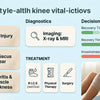
A clear, two-column decision aid comparing conservative R.I.C.E. care with red-flag symptoms—helping readers decide when to self-manage and when to seek medical evaluation.
When to Seek Professional Help
While many cases of knee bursitis can be managed with conservative home care, medical evaluation is important in some cases. You should consult a healthcare professional if you experience:
- Severe pain or rapidly worsening symptoms.
- Fever, chills, or excessive redness and warmth around the knee could indicate an infection.
- Inability to bear weight on the affected leg.
- Persistent swelling or pain that doesn't improve after a week of self-care.
- Limited ability to move your knee.
A medical professional can accurately diagnose knee bursitis, rule out other conditions that cause pain behind the knee, and recommend the most appropriate course of action.
Conservative Management and Treatment Steps
- Rest: Avoid activities that aggravate your knee, especially those involving kneeling or repetitive bending. Give your knee time to heal.
- Ice: Apply ice packs to the affected area for 15-20 minutes at a time, several times a day, to reduce swelling and pain.
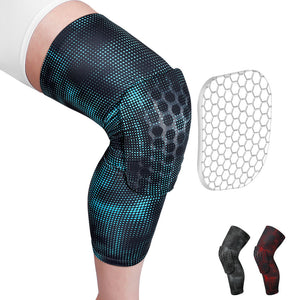
- Compression: Using a compression knee brace can help reduce swelling and provide joint support.
- Elevation: Elevate your leg above heart level when resting to help drain fluid from the bursa.
- Activity Modification: Adjust your daily activities to avoid positions or movements that irritate the bursa. This might involve changing your kneeling technique or using knee pads if your work requires prolonged kneeling.
- Pain Management: Over-the-counter pain relievers can help manage pain and inflammation.
- Stretching and Strengthening: Once the initial pain and swelling subside, gentle stretches and strengthening exercises for the muscles around the knee can improve flexibility and support and help prevent future episodes. Consult a physical therapist for appropriate exercises.
- Supportive Garments: For ongoing comfort and to help prevent irritation, a knee brace for pain or a supportive sleeve can help during activities that might stress the knee. Finding the best knee support depends on your specific needs and activities.
Prevention of Knee Bursitis
Preventing knee bursitis often involves modifying activities and using protective measures:
- Use Knee Pads: If your job or hobbies require prolonged kneeling, always wear appropriate knee pads to cushion your knees.
- Take Breaks: Avoid prolonged periods of kneeling or repetitive knee movements. Take frequent breaks to stand, stretch, and change positions.
- Warm-up and Stretch: Before strenuous activity or sports, warm up and stretch your leg muscles to improve flexibility and reduce stress on the knee.
- Strengthen Leg Muscles: Strong thigh and calf muscles can provide better support for your knee joint and reduce strain on the bursae.
- Maintain a Healthy Weight: Losing excess weight can significantly reduce the stress on your knees.
- Proper Footwear: Wear supportive, well-fitting shoes to maintain proper biomechanics during walking and other activities.
- Address Underlying Conditions: Effectively manage conditions like arthritis or gout that can predispose you to bursitis.
-
Posted in
Knee Injuries