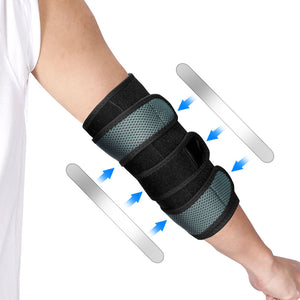
Knee Support for Meniscus Tear
- Black
- Green
- Orange
- Pink
- Black
- Blue
- Green
- Red
- Orange
- Blue
- Dark Blue
- Black
- White
- Red
- Blue
- Black
- Blue
- Red
- Orange
- Yellow
- Black
- Blue
- Green
- Red
- Blue
- Black
- White
- Red
- Dark Blue
- Grey
- Black
- Blue
- Pink
- Grey
- Black
- White
- Light Black
- Black
- Light Grey
- Grey
- Magenta
- Black
- Green
- Black
- Grey
- Red
- Blue
What Worsens a Meniscus Tear?
A meniscus tear is a remarkably common knee injury, frequently resulting from high-impact sports activities, heavy lifting, or simply the natural wear and tear of joint cartilage as we age. Because this crucial C-shaped piece of cartilage acts as a vital shock absorber between your shinbone and thighbone, sustaining damage to it can significantly disrupt your daily routine. Understanding exactly what worsens a meniscus tear is vital for effectively managing knee pain, exploring non-surgical treatments, and promoting a swift, comfortable recovery.
High-Impact Movements and Repeated Knee Stress
One of the leading elements that can worsen a meniscus tear is repeated mechanical stress on the injured joint. Certain physical activities place immense pressure on the vulnerable cartilage, leading to further tearing, joint effusion, and intense inflammation.
Activities to Avoid with a Torn Meniscus
During your recovery timeline, it is highly advisable to avoid movements that involve sudden twisting, aggressive pivoting, or abrupt stops. Deep squatting, heavy lifting, lunging, and high-impact sports like basketball, tennis, or running on hard pavement put undue strain on your knee. Instead, engaging in low-impact exercises—such as swimming, elliptical training, or cycling—can keep you physically active while preserving your joints and preventing your symptoms from worsening.
The Hidden Danger of Excess Body Weight
Weight-bearing activities can severely aggravate a meniscus tear, primarily when the knee is forced to support excess body mass. Every time you take a step, the force across your knees is roughly 1.5 times your body weight. Consequently, carrying excess weight places amplified stress on the compromised cartilage, which can intensify sharp knee pain and significantly hinder the natural healing process.
Maintaining a healthy weight through a balanced nutritional plan and appropriate, low-impact exercise can significantly reduce pressure on the knee joint. Dropping even a few pounds can drastically reduce joint inflammation and lower the likelihood that your tear will worsen over time.
How Improper Footwear Damages Knee Alignment
Many people overlook their feet when dealing with knee pain, but improper footwear is a major contributor to worsening a cartilage tear. Shoes that completely lack arch support, have worn-out soles, or fail to absorb daily shock can lead to poor biomechanics. When your feet strike the ground unevenly, the resulting unnatural force travels directly up your leg, further stressing the injured knee.
It is vital to wear supportive, well-cushioned footwear, especially during physical activities or long shifts standing on hard surfaces. Proper shoes help distribute your body weight evenly, ensuring that the injured meniscus is not subjected to localized, destructive pressure.
Effective Stabilization and Non-Surgical Treatment
One of the most effective non-surgical ways to manage knee cartilage injuries and prevent further damage is to use specialized joint support. A high-quality knee support brace for a meniscus tear can stabilize the joint, correct misalignment, and limit excessive lateral movement that often triggers sudden, sharp pain.
Beyond simple stabilization, bracing provides therapeutic compression. This targeted compression helps increase blood circulation to the affected area, relieving chronic pain and persistent swelling. Finding the right meniscus support knee brace allows for better overall mobility, restoring your confidence to walk, take the stairs, and navigate your day comfortably without the lingering fear of your knee giving out.
Recognizing Signs Your Meniscus Tear is Getting Worse
If you ignore the warning signs, a mild cartilage tear can quickly develop into a complex joint injury. Symptoms that indicate your condition is deteriorating include:
- Frequent knee locking, catching, or a feeling of the knee "giving way" during normal movement.
- A loud popping sensation followed by immediate, sharp joint pain.
- Severe swelling (water on the knee) that does not subside with traditional rest and elevation.
- An inability to fully straighten or bend the affected leg.
If you experience worsening symptoms, it is imperative to modify your daily routine and improve joint protection immediately to prevent permanent cartilage loss.