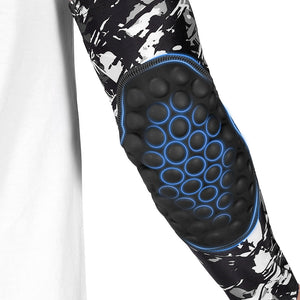
LCL Knee Brace
- Black
- Green
- Orange
- Pink
- Black
- Blue
- Green
- Red
- Orange
- Blue
- Dark Blue
- Black
- White
- Red
- Blue
- Black
- Blue
- Red
- Orange
- Yellow
- Black
- Blue
- Green
- Red
- Blue
- Black
- White
- Red
- Dark Blue
- Grey
- Black
- Blue
- Pink
- Grey
- Black
- White
- Light Black
- Black
- Light Grey
- Grey
- Magenta
- Black
- Green
- Black
- Grey
- Red
- Blue
How Can I Make My LCL Heal Faster?
Dealing with a knee injury can be incredibly frustrating, especially when it targets the lateral collateral ligament (LCL). Located on the outer side of your knee, the LCL is primarily responsible for keeping your joint stable during side-to-side movements and sudden pivots. Whether you are an active weekend warrior, an avid runner, or someone who simply tripped and twisted their leg awkwardly, experiencing outside knee pain can quickly derail your routine.
Understand Your Lateral Collateral Ligament Injury
Before jumping into recovery methods, it helps to understand the severity of your condition. LCL injuries are typically categorized into three grades. A Grade 1 sprain involves mild overstretching of the ligament, while a Grade 2 sprain features a partial tear accompanied by noticeable swelling and joint looseness. A Grade 3 sprain is a complete tear of the ligament. Regardless of the severity, taking immediate and correct action can significantly reduce your overall recovery time and prevent chronic knee instability.
Immediate Action: The R.I.C.E. Protocol
For acute knee pain and swelling, the traditional R.I.C.E. method (Rest, Ice, Compression, Elevation) remains one of the best initial treatments to speed up healing.
Rest and Knee Protection
The absolute first step in healing any ligament strain or sprain is ensuring adequate rest. Continuing to walk, run, jump, or play sports will only aggravate the damaged tissue. You must avoid activities that put unnecessary stress on the outside of your knee. To properly shield your joint from further harm, utilizing specialized support is highly recommended. Wearing a targeted knee brace for LCL will immobilize the lateral side of the joint while still allowing a safe, functional range of motion. By securing a properly fitted support, you can prevent detrimental side-to-side bending, minimize swelling, and create the optimal environment for faster tissue repair.
Ice Therapy for Swelling
Applying cold therapy is another essential component in managing acute knee injuries. Ice causes blood vessels to constrict, which helps drastically reduce inflammation, swelling, and localized pain. During the first 48 to 72 hours following your injury, apply an ice pack to the outer side of your knee for 15 to 20 minutes every two to three hours. Always remember to wrap the ice in a thick towel or cloth to protect your skin from frostbite. This simple yet highly effective method serves as a powerful natural analgesic and improves the overall recovery process.
Compression and Elevation
Combining compression with elevation helps flush excess fluid away from the traumatized area. A snug compression bandage helps minimize swelling by restricting fluid accumulation in the knee tissues. For added structural support and swelling control, pairing your standard compression wrap with a specialized hinged knee brace for LCL injury can further enhance your overall recovery timeline. The hinges prevent dangerous lateral shifting, while the compression keeps the joint feeling secure and supported.
Additionally, whenever you are sitting or sleeping, make a conscious effort to elevate your leg. Propping your foot up on a few pillows so that your knee sits comfortably above your heart level allows gravity to help drain fluid buildup, alleviate pressure, and encourage proper blood circulation to the damaged ligament.
Incorporate Physical Therapy and Rehabilitation
Once the initial pain and swelling have subsided, you cannot simply jump back into high-impact sports. Rehabilitating the knee through gentle stretching and strengthening exercises is vital to safely return to your normal routine.
Gentle Range of Motion Exercises
Stiffness is a common aftereffect of prolonged rest. Slowly begin integrating low-impact exercises, such as heel slides and seated leg extensions, to regain your knee's natural flexibility. Moving the joint promotes the circulation of synovial fluid, which naturally lubricates and nourishes the healing ligament.
Strengthening the Surrounding Muscles
A strong lateral collateral ligament relies heavily on the surrounding muscular support. Strengthening your quadriceps, hamstrings, calves, and glutes takes immense pressure off the LCL. Exercises such as straight leg raises, wall sits, and gentle hamstring curls can help rebuild the muscle mass lost during your resting phase.
Diet and Lifestyle Adjustments for Faster Healing
Many people overlook the role of nutrition and hydration in ligament repair. Consuming a diet rich in anti-inflammatory foods—such as leafy greens, berries, fatty fish, and nuts—can aid your body's natural healing processes. Furthermore, staying well hydrated and getting a full night of sleep give your cellular repair mechanisms the energy they need to rebuild torn ligament fibers efficiently.
The Gradual Return to Activity
As your confidence grows and your pain diminishes, it is important to gradually reintroduce your favorite activities. The biggest mistake you can make is rushing back into intense physical labor or athletic competition too soon. Listen to your body and avoid pushing yourself to the point of pain, as doing so will likely lead to a frustrating setback.
During this transitional phase, the risk of re-injury is at its peak. Make sure to consistently wear your knee brace for a LCL tear during any physical exertion to provide that much-needed additional support. This stabilizing layer will give you peace of mind as you work to regain full functional strength, balance, and agility.
When to Consult a Professional
While home care and supportive bracing are highly effective for mild to moderate sprains, severe LCL tears may require professional intervention. If you experience a loud popping sound at the time of injury, an inability to bear weight, or chronic instability that does not improve within a few weeks, it is time to consult an orthopedic specialist. They can offer advanced imaging to rule out meniscus damage and determine if more intensive physical therapy or surgical repair is necessary.
Healing an LCL injury takes time, patience, and dedication. By strictly following the R.I.C.E. principles, embracing targeted physical therapy, prioritizing your joint's stability, and utilizing the right protective gear, you can optimize your recovery and return to your favorite activities stronger than ever.