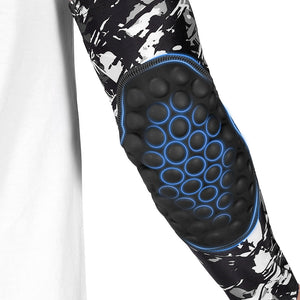
Supports for Achilles Tendonitis
- Black
- Grey
- Blue
- Pink
- Purple
- Black
- Orange
- Green
- Pink
- Black
- Red
- Blue
- Orange
Are Ankle Supports Good for Achilles Tendonitis?
Achilles tendonitis is a common and incredibly painful condition that affects millions of people, especially runners, athletes, and anyone with an active lifestyle. This frustrating ailment results from the severe inflammation or irritation of the Achilles tendon—the thick, vital band of tissue that connects your calf muscles to your heel bone. As a classic overuse injury, it can cause agonizing discomfort during intense physical activity, morning stiffness, and even pain during simple everyday movements like walking up the stairs.
If you are dealing with stubborn heel and calf pain, you are likely seeking immediate relief. One frequently asked question from people with this condition is whether ankle supports are genuinely good for managing Achilles tendonitis.
Understanding Achilles Tendonitis and Heel Pain
To understand how to treat the problem, it helps to understand how the injury works. Achilles tendon pain usually develops gradually. It often starts as a mild ache in the back of the leg or above the heel after running, jumping, or participating in sports. Left unmanaged, repetitive strain can cause microtears in the tendon fibers, leading to chronic swelling, reduced flexibility, and persistent pain. Reducing the tendon's daily load is the first step toward effective recovery from tendonitis.
The Role of Ankle Braces, Sleeves, and Wraps in Tendon Recovery
While they are not a magical cure or a one-size-fits-all solution, ankle supports—including elastic sleeves, adjustable wraps, and rigid braces—provide much-needed stability, soothing compression, and structural support to the ankle joint and surrounding tissues. Using these garments correctly can significantly alleviate the daily symptoms associated with Achilles tendon injuries.
Enhancing Stability and Reducing Tendon Strain
One of the primary benefits of utilizing supportive wear for Achilles tendonitis is the immediate, tangible stability it provides. When your ankle joint is firmly stabilized, it drastically reduces erratic strain and tension on the Achilles tendon during movement.
This added stability is especially helpful for active individuals slowly returning to their favorite activities or for those in physically demanding workplaces that keep them on their feet all day. By limiting excessive motion and preventing overextension, ankle supports can potentially minimize sharp discomfort, reduce the risk of accidental twisting, and shield the fragile tendon from further injury.
The Power of Compression for Swelling and Blood Flow
Many high-quality ankle wraps and sleeves feature therapeutic compression technology, which can reduce localized swelling and promote healthy blood circulation in the affected heel area.
Improved blood flow speeds the Achilles tendon's natural healing process by delivering vital oxygen and nutrients to damaged tissue while flushing out cellular waste. Consistent compression also plays a massive role in managing chronic pain levels. Keeping the ankle warm and supported makes it much easier to do necessary rehabilitation exercises and gradually return to normal activity levels without wincing in pain.
Finding the Right Fit for Your Recovery
The effectiveness of any ankle garment depends on its design and how well it matches an individual's unique anatomical needs. When you evaluate your daily routine and recovery goals, the right supports for Achilles tendonitis can make all the difference in achieving proper foot alignment and ideal pressure distribution.
In some cases, over-the-counter compression sleeves are enough to soothe mild irritation. In more severe cases, individualized support accessories or custom shoe orthotics may be needed to correct flat feet or high arches, common underlying causes of tendon strain. Consulting with a healthcare professional, such as an orthopedic specialist or a licensed physical therapist, can help you confidently select the exact type of support your specific foot structure requires.
A Comprehensive Approach to Achilles Tendonitis Treatment
Remember that while ankle supports can provide fantastic symptomatic relief, they do not magically erase the underlying biomechanical causes of Achilles tendonitis. Relying entirely on a supportive wrap can create a dangerous false sense of security; individuals might feel better temporarily and keep doing high-impact activities that ultimately worsen the condition.
For true, long-lasting recovery, view supportive wear as just one piece of a broader treatment puzzle. Other conservative treatments are critical components of an effective pain management plan, including:
- Physical Therapy: Targeted guided movements to restore joint mobility.
- Stretching and Strengthening: Gentle calf stretches and eccentric heel drop exercises to rebuild tendon resilience.
- Activity Modification: Switching from high-impact sports (like basketball or running) to low-impact alternatives (like swimming or cycling) to give the tendon time to heal.
- The R.I.C.E. Method: Rest, Ice, Compression, and Elevation during acute flare-ups.